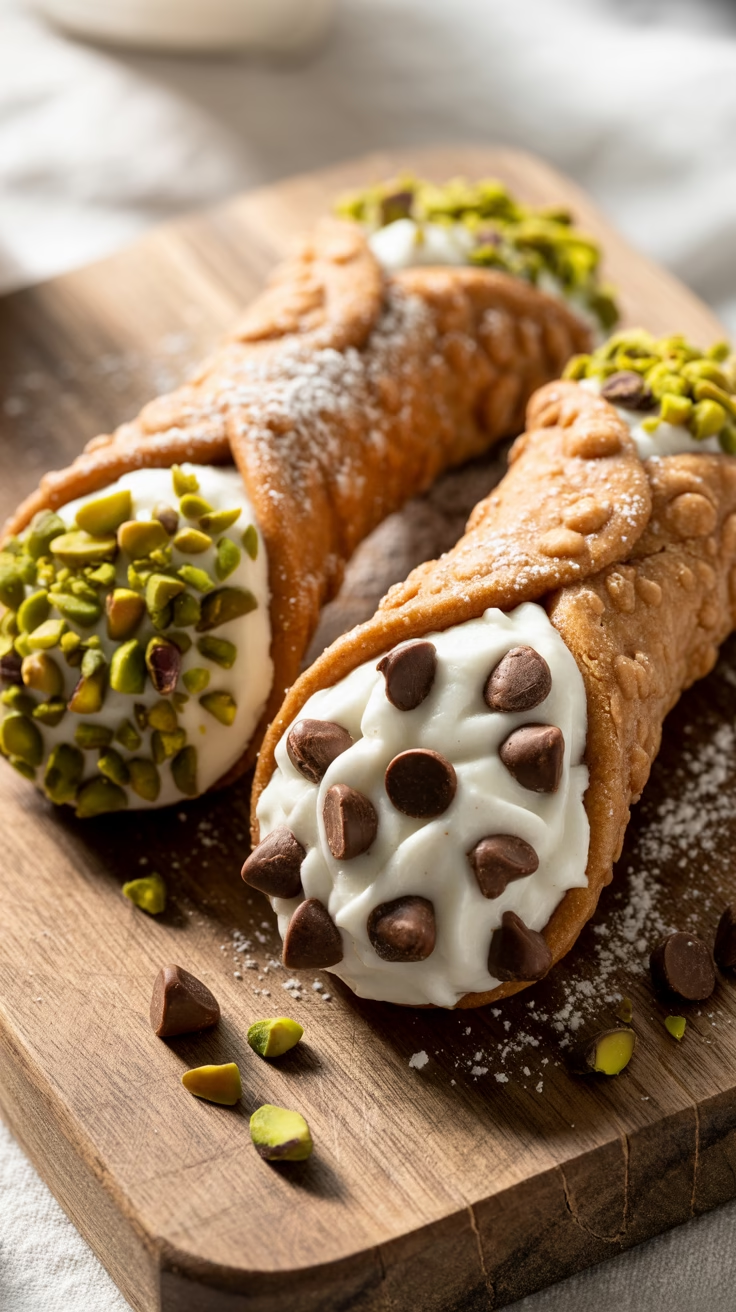
Some desserts have a reputation bigger than the food itself. Cannoli is in that group. When you walk into a bakery and see those golden shells stuffed with creamy ricotta, you remember them. There’s a reason people tell stories about good cannoli. It’s not just the crunch. It’s not just the sweet, soft filling. It’s how simple the ingredients are, and how something so basic can taste so right.
Why I Make Cannoli at Home
I grew up thinking cannoli was something you could only get at a bakery. My family never made them. But after a visit to Sicily, I saw that baking cannoli at home wasn’t a big production. Sicilian cooks use everyday tools and plain ingredients.
Watching an older woman shape the dough at her kitchen table, I realized people make these shells every day, no magic, no crazy equipment. Just some patience and good ricotta. That’s the version I want to share.

Ingredients: There’s Nothing to Hide
Here’s all you need to make about a dozen cannoli. This is a small batch, easy to double if you want leftovers or parties.
For the shells:
- 2 cups all-purpose flour
- 2 tablespoons sugar
- 1/2 teaspoon salt
- 3 tablespoons cold butter
- 1 egg, lightly beaten
- 2–3 tablespoons white wine (you can use water if you don’t have wine)
- 1 egg white (to seal the dough)
- Oil for frying (canola or peanut oil is good)
For the filling:
- 2 cups ricotta cheese (drain it well, or else your filling will be runny)
- 3/4 cup powdered sugar
- 1/2 teaspoon vanilla extract
- 1/3 cup mini chocolate chips (optional)
- Top with more mini chips or some crushed pistachios (also optional)
No weird stabilizers. No fancy syrups. You can skip the chocolate chips if you want, but I think they’re worth it.
The Real Steps: No Fuss
People tend to overthink cannoli and then give up before they even try. Here’s what you actually do.
1. Make the Dough
Start with a bowl. Put in the flour, sugar, and salt. Toss them together—nothing fancy. Cut in the cold butter using your fingers or a fork. You want it to look crumbly, not smooth.
Now, in goes that egg. Pour in a little white wine or water. Add just enough for a dough to form. Don’t add too much liquid. When it holds together, you’re done mixing.
Tip: If it’s dry and won’t clump, add a bit more wine or water, but go slow. Too wet and you’ll have trouble later.
2. Knead and Rest
Take your dough out of the bowl and put it on a floured table. Knead for about five minutes. Push with your palms, fold, turn. It should look smooth.
Wrap it up, plastic wrap works fine, and let it rest on the counter for half an hour. This lets the gluten relax, so the dough won’t fight you when you roll it.
3. Roll and Cut
Get a rolling pin. Roll the dough out thin—about 1/8 inch. You want it thin, or the shells will be doughy, not crisp.
Grab something round to cut circles (four inches wide is good). A big glass, a cookie cutter, whatever you have. Wrap each dough circle around a metal cannoli tube. Press the edge closed with egg white. Don’t skip the sealing, or they’ll float open in the fryer.
No tubes? You can make your own out of foil. Just make tight rolls.
4. Fry the Shells
Pour a few inches of oil in a heavy pot. Heat to about 350°F (use a thermometer if you have one).
Drop in just a few cannoli at a time—don’t crowd the pot. Use tongs to turn them, and pull out when they’re golden, about a minute or two. Let them cool on towels, so they stay crisp.
When they’re cool, twist the tubes out. If they stick, wiggle gently.
Tip: Always watch hot oil. Don’t walk away.
5. Make the Filling
This is simple. Put your ricotta in a bowl. Add powdered sugar and vanilla. Stir it smooth. If your ricotta seems watery, drain it longer—watery cheese makes soggy cannoli.
If you like, toss in mini chocolate chips.
That’s it.
6. Fill the Shells
Only fill right before you eat. Cannoli filled early go soft fast.
Use a pastry bag if you have one. A plastic bag with a corner snipped off works too. Pipe filling in from both ends so the shell is full.
Dip the ends in extra chips or chopped pistachios if you want. It looks nice.
7. Eat and Enjoy
Don’t wait. Eat fresh. That’s the rule. They’re best in that first hour.
If you want crispy shells later, store the empty shells in an airtight tin. Only fill when you’re hungry.
What Makes Cannoli Taste Like Cannoli
Good cannoli tastes clean. There’s nothing to cover up. Each bite is crunchy, then creamy. You should taste vanilla, the milkiness of ricotta, and a bit of the frying oil.
Don’t be afraid of frying. Yes, the oil is hot, but frying takes just a minute per shell. Keep the kids or pets out of the room for this part, and you’ll be fine.
It’s okay if your shells aren’t perfect circles. That’s homemade. In Italy, they aren’t all the same size or shape either. Honest food doesn’t have to look perfect.
What to Avoid
Don’t overstuff the shells. The filling should fit, not bulge out.
Don’t use low-fat or non-dairy substitutes for ricotta. The taste isn’t right.
Don’t expect leftovers to taste the same. Cannoli are for now, not for tomorrow.
Troubleshooting
- Shells keep opening in the oil? Seal tightly with egg white, and press the seam hard.
- Shells turn chewy, not crisp? Dough wasn’t rolled thin enough, or oil wasn’t hot enough.
- Filling is loose? Ricotta was too wet. Drain overnight next time in a cheesecloth or fine mesh strainer.
- Shells stick to tubes? Wait for the shells to cool, and give them a gentle twist.
Why Cannoli Are Worth Making
Cannoli aren’t a dinner party dessert. They’re something you make on a weekend for yourself or a few friends. The ingredients are cheap. The process is straightforward. If you mess up the shapes or make a mess with powdered sugar, nobody cares.
You can’t fake cannoli. They’re only as good as your ricotta and as fresh as your shells. That’s what makes them special.
I hope you try them. There’s nothing to lose but about an hour in the kitchen. And in exchange, you get a bite of something simple and good, the way it’s been made for generations.
No secret tricks. No pressure. Just a homemade treat that tastes as honest as it looks.
That’s cannoli. Make them simple. Eat them fresh. Enjoy every messy bite.
Cannoli: Simple, Real, and Straight from the Source
Course: DessertCuisine: ItalianDifficulty: Easy6
servings35
minutes20
minutes230
kcal1
hour25
minutesRest Time: 30 minutes
Golden, crisp shells filled with sweet, creamy ricotta—this is the homemade Sicilian cannoli you’d find in a real family kitchen. No shortcuts, no extras, just the straightforward method that makes cannoli special. They taste best fresh and a little messy.
Ingredients
For the Shells
2 cups all-purpose flour
2 tablespoons sugar
1/2 teaspoon salt
3 tablespoons cold butter, cut in pieces
1 egg, lightly beaten
2–3 tablespoons white wine (or water)
1 egg white (for sealing shells)
Oil for frying (canola or peanut recommended)
- For the Filling
2 cups ricotta cheese, well drained
3/4 cup powdered sugar, sifted
1/2 teaspoon vanilla extract
1/3 cup mini chocolate chips (optional)
- Optional Toppings
More mini chocolate chips
Chopped pistachios
Powdered sugar (for dusting)
Directions
- Make the Dough
Mix the flour, sugar, and salt in a bowl.
Add the cold butter. Work it in with fingers or a fork until the mix looks crumbly.
Add the beaten egg and 2 tablespoons wine or water. Mix with a fork just until dough forms. If it’s too dry, add more wine/water, 1 teaspoon at a time. - Knead & Rest
Knead dough on a floured surface for 5 minutes, until smooth.
Wrap in plastic wrap. Let it rest on the counter for 30 minutes. - Roll & Cut
Roll dough out thin (about 1/8 inch).
Cut into 4-inch circles or ovals.
Wrap each dough piece around a metal cannoli tube, sealing the edge with egg white. Press seam tight so shells don’t open during frying. - Fry the Shells
Heat 2 inches of oil in a heavy pot to 350°F (175°C).
Fry a few shells at a time. Cook 1–2 minutes, turning as needed, until golden.
Remove to paper towels. Let cool a minute, then gently slip off the tubes. - Make the Filling
Beat together ricotta, powdered sugar, and vanilla until smooth.
Fold in chocolate chips if using. - Fill & Finish
Fill shells just before serving. Use a piping or zip bag with the tip cut off.
Pipe filling into both ends of each shell.
Dip ends in extra chips or pistachios if you like.
Lightly dust with powdered sugar.
Notes
- Drain ricotta overnight if possible, to avoid soggy cannoli.
Only fill shells right before eating—filled cannoli go soft quickly.
Store empty shells in an airtight tin and fill as needed.
Watch oil temperature for crisp, not chewy, shells.
No cannoli tubes? Make cylinders out of thick foil as a substitute. - Enjoy cannoli fresh, homemade, crunchy, and creamy in every bite.