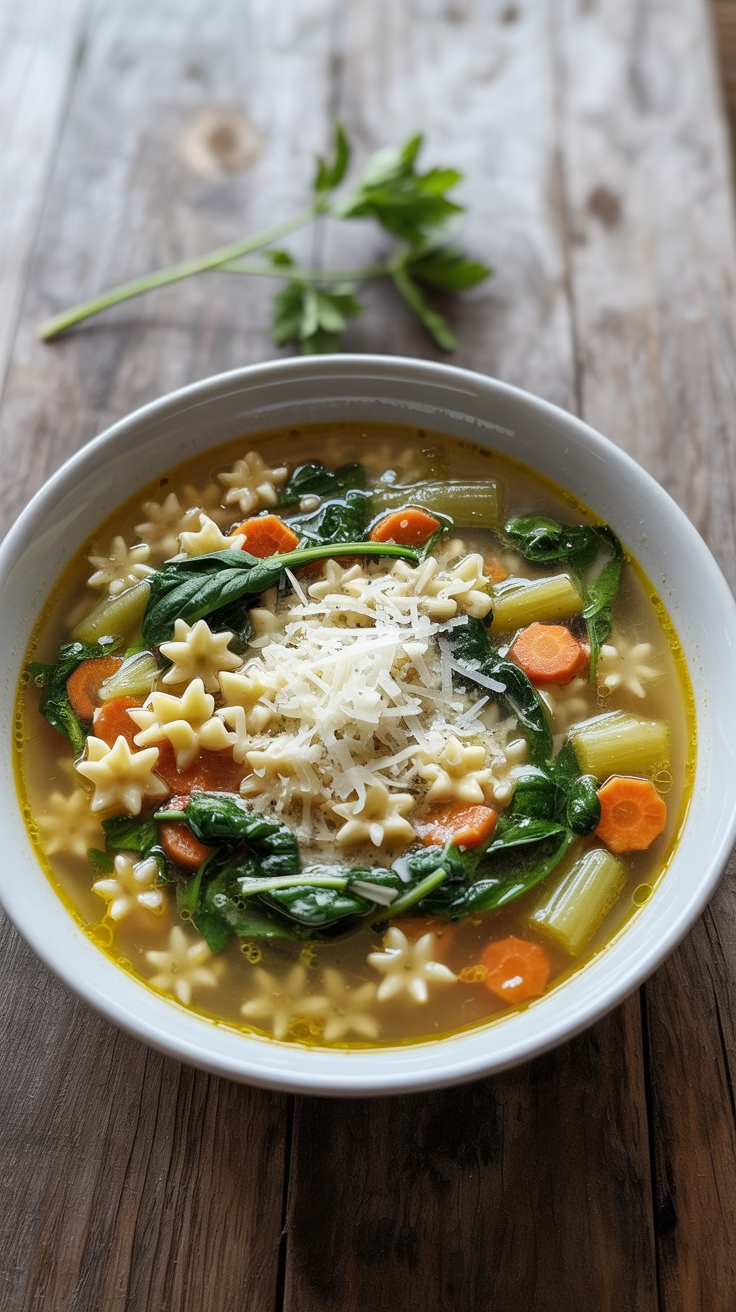
You know those days when everything feels a little off, or the weather changes, and all you want is something warm and easy? For me, Italian pastina soup is the answer. It’s the kind of food that doesn’t ask for much—just a handful of everyday ingredients and about 30 minutes. I make this regularly, and it’s always a comfort.
Why This Soup Works
The charm of this soup is its simplicity. Italians have been making versions of this broth with little pasta for generations. It’s often the first solid food for babies, the first thing you make for a sick friend, or an effortless weeknight dinner. There’s no need for complicated steps or rare ingredients. Most of what you need is probably in your pantry or fridge right now.

Ingredients For Italian Pastina Soup
Let’s talk about what actually goes in the pot. Here’s what I use for a pot that serves four to six—depending on how hungry everyone is.
- Olive oil: Just enough to sauté the vegetables, about a tablespoon.
- Onion: One small yellow onion, chopped. Sweet or white onions work too.
- Carrots: Two medium, peeled and chopped. Sometimes I use baby carrots if that’s all I have.
- Celery: Two stalks, chopped. If it’s old and limp, cut off the ends. Still works.
- Garlic: One clove, finely chopped. I often use two if they’re small.
- Chicken broth: About six cups. Homemade is great, but store-bought is easy. I go for a low-sodium kind so I can adjust the salt at the end.
- Pastina: A half cup is plenty. In the U.S., “pastina” can mean tiny stars, letters, orzo, or even small shells. Any small pasta shape will do.
- Thyme and oregano: Half a teaspoon each of dried thyme and dried oregano. Fresh is nice, but dried lasts longer. If you have fresh, throw in a few sprigs.
- Bay leaf: Just one leaf. It adds a subtle background flavor.
- Spinach: A cup of baby spinach, washed. Sometimes I skip this if I don’t have it, or use chard or kale instead.
- Parmesan: Half a cup grated, plus extra for serving. The real stuff is best, but the pre-grated works in a pinch.
- Salt and black pepper: Season to taste. Start with a pinch and add more as needed.
- Parsley: A couple tablespoons chopped, fresh if possible. If it’s not around, skip it.
That’s it. I’ve seen other recipes with cream, tomatoes, or more exotic spices, but this version keeps it simple.
How to Make Italian Pastina Soup
Now, let’s get to the steps. I’ll explain things as if we’re standing at the stove together.
Step 1: Chop the Vegetables
First, chop the onion, carrots, and celery. I try to make them about the same size so they cook evenly. If I’m in a hurry, I chop them a bit smaller—faster softening. If I’m patient, I slice them into neat, pretty pieces. Either way, the soup still tastes good.
Step 2: Cook the Aromatics
Next, I heat the olive oil in a big pot over medium heat. I add the onions, carrots, and celery. I let them cook, stirring every couple minutes, until they soften. This takes about five minutes. They don’t have to brown, just get tender.
Then I add the garlic. Garlic burns easily, so I keep the heat steady and stir it in. One minute later, it smells good, and I move on.
Step 3: Add the Broth and Herbs
I pour in the chicken broth. Sometimes I use only water and a bit more cheese, but broth gives more depth. I add the thyme, oregano, and bay leaf. I bring the soup to a boil. At this point, the kitchen smells like onions and herbs, which is nice.
Step 4: Cook the Pasta
Once the soup boils, I lower the heat to medium-low. I add the pastina. It takes about seven to ten minutes for the pasta to soften. I taste a piece after seven minutes. If it’s still hard, I check again every minute. You want it tender but not mushy.
If the pasta soaks up too much broth and the soup gets thick, I add a little more broth or water. No big deal.
Step 5: Finish the Soup
When the pasta is done, I fish out the bay leaf and throw it away. I add the spinach and let it wilt in the hot soup. This takes less than a minute.
Then I turn off the heat. I stir in the Parmesan and parsley. I taste the soup. If I think it needs it, I add salt and a grind of black pepper. Sometimes I taste again before serving, just to be sure.
Step 6: Serve
I ladle the soup into bowls. If anyone wants extra Parmesan, I put some on the table in a little bowl. Bread or crackers are good for dipping.
Tips for Success
Here are a few things I’ve learned over the years:
- Pastina choices: If I don’t find pastina, I use orzo, stelline (stars), or any small pasta. The size is more important than the shape.
- Broth: Homemade chicken broth is great, but I don’t stress if I use the boxed stuff. I just pick one without too much salt.
- Cheese: Good Parmesan makes a difference, but if I’m out, I’ll use whatever cheese I have. Sometimes I sprinkle a bit of cheddar or even feta on top. I don’t overthink it.
- Spinach: I add it at the very end so it doesn’t get slimy. If I use kale or chard, I add it a little earlier and let it cook for a couple minutes.
- Herbs: If I want extra flavor, I toss in a sprig of fresh rosemary or a pinch of red pepper flakes. Sometimes I skip the thyme and use only oregano. It’s flexible.
- Leftovers: The soup thickens as it sits. If I reheat it, I add a splash of broth or water. I try to eat it within three days.
- Vegetables: I sometimes add a handful of peas or diced zucchini. It’s a good way to use what’s in the fridge.
Variations and Extras
This soup is a blank canvas. Here are some ways people change it up, and what I think about each:
- Add protein: I sometimes stir in leftover shredded chicken or turkey. If I’m feeling fancy, I add a bit of cooked sausage or chopped pancetta. Just add it at the end, so it warms through.
- Vegetarian: For a vegetarian version, I use vegetable broth and skip the meat. Sometimes I add a little extra Parmesan or a drizzle of olive oil at the end.
- Creamier soup: I’ve seen recipes with a splash of cream. I don’t usually do that, but it’s not a bad idea if you want something richer.
- Extra garnish: A squeeze of lemon or a drizzle of pesto on top is nice for brightness.
Common Mistakes to Avoid
Here are a few things I’ve seen go wrong—and how I avoid them:
- Overcooking the pasta: If I cook the pastina too long, it gets mushy. I always taste a piece a minute or two before the package says it’ll be done.
- Too much salt: I go easy on salt until I add the Parmesan, which is salty already. I taste again before serving.
- Skipping the fresh herbs: The soup is fine without parsley, but it’s a bit prettier and fresher with it.
- Not tasting: I always taste before serving. Sometimes it needs a pinch more pepper or a squeeze of lemon.
Serving and Pairing Ideas
This soup is a meal on its own for me, but sometimes I pair it with a simple salad or a slice of crusty bread. If I’m serving it to guests, I might add a little bowl of extra Parmesan, a basket of breadsticks, and a plate of marinated olives.
Kids usually eat this well, especially if you use star or alphabet pasta. My nieces and nephews call the alphabet pasta “word soup” and eat it with a spoon, looking for letters.
Storage and Make-Ahead Tips
I store leftovers in the fridge for up to three days. The pasta soaks up more broth as it sits, so I add a bit more when I reheat. I don’t usually freeze this soup because the pasta texture changes, but I will freeze just the broth and vegetables, then add fresh pasta when I reheat.
Why This Soup Means Something
This soup is personal for me. It’s what my mother used to make when I was sick as a kid. Now, it’s what I make when I need to slow down, or when a friend feels poorly. It’s humble, but it matters.
When I Make This Soup
I make this soup on days when I’m tired, or when the seasons change. It’s good when it rains, when I’ve been traveling, or when I just want something easy. It never feels like a chore. It’s the kind of food that soothes, without making a big fuss.
Final Thoughts
This Italian pastina soup recipe is all about comfort. It’s not complicated. It’s not showy. It just works. I hope you try it. I hope you change it to fit your own kitchen. And I hope it becomes one of your own go-to meals, the way it’s become mine.
If you have questions, or if you want to share how you make your version, I’d love to hear it.
Easy Italian Pastina Soup – Ready in 30 Minutes
Course: SoupsCuisine: ItalianDifficulty: Easy4
servings10
minutes20
minutes200
kcal30
minutesThis Italian pastina soup is comforting, simple, and easy to make. It uses everyday ingredients—chicken broth, tiny pasta, vegetables, and Parmesan—and comes together fast. It’s the kind of soup I turn to when I want something gentle, warm, and not much work. Kids and adults both like it, and it’s especially good on chilly days or when someone isn’t feeling well.
Ingredients
1 tablespoon olive oil
1 small yellow onion, chopped
2 carrots, peeled and chopped
2 celery stalks, chopped
1 clove garlic, finely chopped
6 cups chicken broth (low-sodium works well)
1/2 cup pastina (tiny pasta like orzo, stelline, or alphabets)
1/2 teaspoon dried thyme
1/2 teaspoon dried oregano
1 bay leaf
1 cup baby spinach, washed
1/2 cup grated Parmesan cheese
Salt and black pepper, to taste
2 tablespoons fresh parsley, chopped (optional)
Directions
- Heat olive oil in a large pot over medium heat.
- Add onion, carrots, and celery. Cook, stirring now and then, until they start to soften, about 5 minutes.
- Add garlic. Cook another minute, just until it smells good.
- Pour in chicken broth. Add thyme, oregano, and bay leaf. Bring to a boil.
- Once boiling, stir in the pastina. Turn heat down to medium-low. Cook until the pasta is tender, about 7–10 minutes. Taste a piece to check.
- Remove the bay leaf. Stir in spinach and let it wilt, about 1 minute.
- Turn off the heat. Stir in Parmesan and parsley. Taste the soup. Add salt and pepper if needed.
- Serve hot, with extra Parmesan on the side if you like.
Notes
- Tips:
You can use any small pasta if you don’t have pastina.
If you want it heartier, add leftover chicken or turkey.
For vegetarian, use vegetable broth and skip the meat.
Soup thickens as it sits. Add more broth or water when reheating.
It’s best eaten fresh, but leftovers keep in the fridge for up to 3 days.
This soup is forgiving, easy to adapt, and always comforting. It’s a regular in my kitchen, and I hope it’s one in yours too.