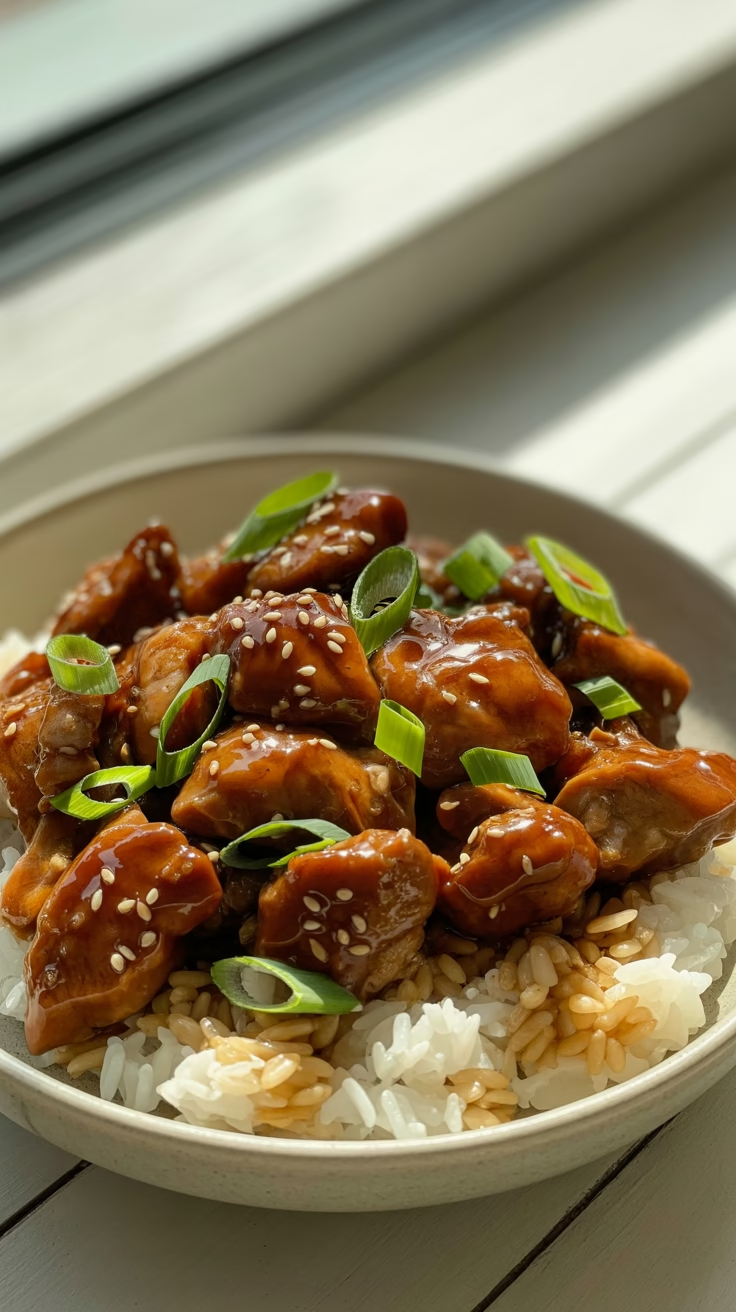
Chicken teriyaki is one of those meals that people never seem to get tired of. It works for a quick weeknight dinner, but it also has that special-occasion feel. The sauce is salty, sweet, a little tangy, and sticky enough to cling to the chicken. This balance is really what makes the dish comforting and satisfying.
If you already enjoy Japanese-inspired flavors, you’re probably familiar with teriyaki. But making it at home has its own charm. You get to control the flavors, you can make it lighter or richer, and you don’t need to rely on takeout. The good thing is that it’s straightforward enough even for novice home cooks. And once you’ve cooked it once or twice, you’ll probably start to play around with the seasoning until it tastes exactly the way you like it.
In this article, I’ll walk you through everything you need to know. You’ll get the recipe itself, variations, ingredient swaps, serving ideas, and practical cooking tips that help the process feel easier. By the end, you’ll be able to cook chicken teriyaki without needing a recipe in front of you.
What is Teriyaki?
The word “teriyaki” comes from two Japanese words: teri, which means a shiny glaze, and yaki, which means grilled or broiled. So teriyaki describes both the cooking method and the sauce itself. Traditionally, it’s made with soy sauce, mirin, sake, and sugar. That combination creates a sauce that’s sweet, savory, and glossy.
In Japan, teriyaki isn’t limited to chicken. It can be used on fish, beef, or pork. Salmon teriyaki is actually just as popular, if not more so. But outside of Japan, chicken teriyaki has become the go-to version, partly because chicken is affordable, cooks quickly, and pairs beautifully with the sauce.
Ingredients You’ll Need
The ingredient list for chicken teriyaki is short. That’s one of the reasons it’s such a beginner-friendly recipe. Let’s take a closer look at them:
- Chicken thighs: These are juicy and forgiving. They don’t dry out as quickly as chicken breast, so they’re a safe choice. If you prefer breast, you can use it, but just watch the cooking time.
- Soy sauce: This is the salty, umami base of the sauce. A regular soy sauce works, but you can also use low-sodium if that’s what you keep at home.
- Mirin: A sweet Japanese rice wine. It gives the sauce depth and balances the saltiness of soy. If you don’t have it, you can use rice vinegar mixed with a little sugar.
- Sake: This adds another layer of flavor. It’s not essential, so don’t worry if you want to skip it.
- Brown sugar: It brings the sweetness. White sugar works too, but brown adds a slightly richer taste.
- Garlic and ginger: These two keep the sauce from being too flat. Fresh is always best, but powdered versions can work in a pinch.
- Oil: Any neutral oil is fine. Vegetable or canola oil work well for searing the chicken.
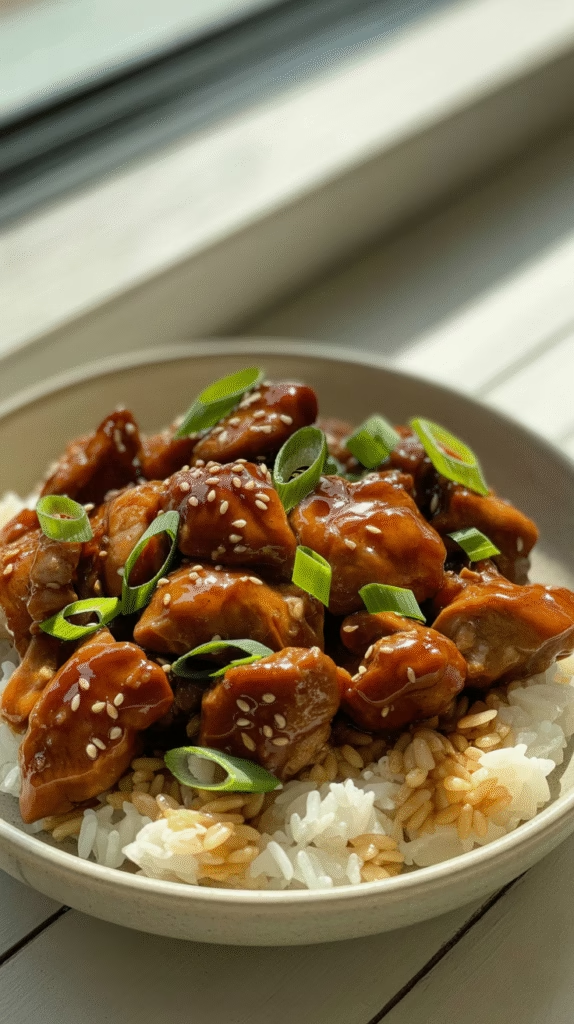
- Garnishes: Sesame seeds and sliced green onions make the dish look fresh and taste brighter.
Step-by-Step Recipe
Servings: 4
Prep time: 10 minutes
Cook time: 15 minutes
Ingredients
- 1 ½ pounds boneless chicken thighs (cut into bite-sized pieces)
- 2 tablespoons soy sauce
- 2 tablespoons mirin (or rice vinegar + pinch of sugar)
- 2 tablespoons sake (optional)
- 2 tablespoons brown sugar
- 1 teaspoon grated ginger
- 1 garlic clove, minced
- 1 tablespoon vegetable oil
- Cooked rice, for serving
- Sesame seeds and chopped green onion, for garnish
Instructions
- Combine soy sauce, mirin, sake, sugar, ginger, and garlic in a small bowl. That’s your teriyaki sauce.
- Heat oil in a large pan over medium heat. Add the chicken pieces in a single layer. Let them cook until golden brown on one side, about 4–5 minutes.
- Flip the chicken and pour in the teriyaki sauce. Stir to coat. Let it simmer until the chicken is cooked and the sauce thickens into a sticky glaze, around 5–6 minutes more.
- Serve over hot rice. Sprinkle with sesame seeds and green onions.
Cooking Tips
- Don’t rush the glaze. Letting the sauce bubble and thicken naturally is what makes it cling so well. If you take it off too soon, it will taste watery.
- Cut evenly. Even-sized chicken pieces ensure everything cooks at the same speed.
- Use medium heat. High heat will burn the sugar in the sauce. Medium heat gives more control.
- Taste as you go. Sauces like teriyaki sometimes need adjusting. Add a pinch more sugar if you want it sweeter, or an extra splash of soy if you want it saltier.
- Thick or thin? If it’s too thick, add a really small splash of water. If it’s too thin, keep simmering for another minute or two.
Variations
One of the best things about homemade teriyaki is how flexible it is.
- Chicken breast: Leaner, cooks fast, but can dry out. Best if you pound it lightly for even cooking.
- Salmon teriyaki: Pan-seared salmon fillets with the same sauce. Cook the salmon first, then add the sauce at the end.
- Beef teriyaki: Thin slices of beef quickly stir-fried, then glazed. Great with noodles.
- Vegetarian teriyaki: Use firm tofu, broccoli, mushrooms, or even eggplant. Teriyaki sauce clings well to vegetables too.
Serving Ideas
Traditionally, teriyaki chicken is served with plain steamed rice. The neutral rice balances the richness of the sauce. But you can switch things up:
- Fried rice: Toss leftover rice with vegetables and egg, then top with chicken teriyaki.
- Noodles: Stir-fry noodles with vegetables and add chicken teriyaki on top.
- Vegetables on the side: Steamed broccoli, green beans, or carrots go well with the sticky sauce.
- Meal prep bowls: Layer rice, chicken teriyaki, and stir-fried vegetables in containers for a week’s worth of easy lunches.
Make-Ahead and Storage
Chicken teriyaki holds up surprisingly well.
- In the fridge: Store leftovers in a sealed container for up to 3 days. Reheat gently in a pan or microwave. Add a spoonful of water to loosen the sauce if needed.
- In the freezer: Cooked teriyaki chicken freezes fine. Freeze with a little extra sauce in a freezer-safe bag for up to 2 months. Thaw overnight and reheat.
- Meal prep tip: Double the sauce and keep some in a jar. You can use it during the week for vegetables, salmon, or even just drizzling over rice.
Why Make It at Home?
You can, of course, order chicken teriyaki from a restaurant. But doing it at home has real advantages:
- It costs less.
- You know exactly what’s going in it.
- You can tweak the flavor.
- You can make as little or as much as you want.
Another thing is how quickly it comes together. Once you’ve prepped the garlic and ginger, the dish is done in about 15 minutes. That’s even faster than most takeout deliveries.
Troubleshooting
Sometimes home cooking doesn’t go perfectly. Here are a few common problems:
- Sauce too salty: Add a splash of water and a tiny bit more sugar.
- Sauce burnt: Lower the heat next time. Even medium-high is too much for the sugar.
- Chicken dry: Try thighs instead of breast, or reduce the cooking time.
- Not enough sauce: Double the recipe next time. Most people find extra sauce makes it taste even better.
A Few Extra Notes
Some people ask about bottled teriyaki sauce. Of course, you can use it if you’re in a rush. But homemade sauce has a fresher flavor and no preservatives. It also means less sodium than some of the store-bought versions.
You’ll also notice that when you cook it yourself, the smell of garlic, ginger, and soy filling the kitchen is part of the entire experience. That’s something bottled sauce can’t give you.
And if you make teriyaki often, it’s worth keeping small bottles of mirin and sake in your pantry. They last a long time and open the door to many Japanese-style dishes.
Final Thoughts
Chicken teriyaki is simple, balanced, and satisfying. You don’t need fancy equipment, and you don’t need to be an expert cook. In less than half an hour, you can put a comforting meal on the table that feels homemade but special.
The best part is that once you’ve learned the sauce and the process, you can adapt it endlessly. Switch the protein, add more vegetables, or make extra sauce and use it later in the week.
Cooking at home doesn’t have to be complicated. Sometimes, all you need is a dish like chicken teriyaki — quick, versatile, and good enough that you’ll want to make it again.
Easy Chicken Teriyaki (30 Minutes)
Course: MainCuisine: JapaneseDifficulty: Easy4
servings10
minutes15
minutes320
kcal25
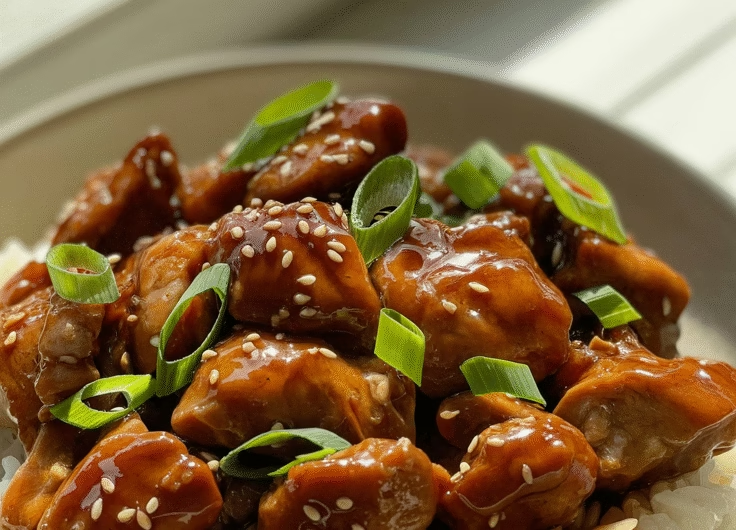
minutesA simple homemade chicken teriyaki with a glossy, sweet, and savory sauce. Juicy chicken thighs are cooked in a quick soy, mirin, and sugar glaze, then served with rice and garnished with sesame seeds and green onion. Ready in under 30 minutes.
Ingredients
1 ½ pounds boneless, skinless chicken thighs (cut into bite-sized pieces)
2 tablespoons soy sauce
2 tablespoons mirin (or substitute rice vinegar with a pinch of sugar)
2 tablespoons sake (optional, can skip)
2 tablespoons brown sugar
1 teaspoon fresh ginger, grated
1 garlic clove, minced
1 tablespoon vegetable oil
Cooked rice, for serving
1 tablespoon sesame seeds (for garnish)
2 green onions, sliced (for garnish)
Directions
- In a small bowl, stir together soy sauce, mirin, sake (if using), brown sugar, grated ginger, and minced garlic. This is your teriyaki sauce.
- Heat vegetable oil in a skillet or frying pan over medium heat.
- Add the chicken pieces in a single layer. Cook undisturbed until golden on one side, about 4–5 minutes.
- Flip the chicken and pour in the teriyaki sauce. Stir well to coat.
- Let the chicken simmer in the sauce for 5–6 minutes, or until the chicken is cooked through and the sauce thickens into a glossy glaze. Stir a few times so the chicken gets evenly coated.
- Remove from heat. Serve hot over freshly cooked rice.
- Garnish with sesame seeds and sliced green onion before serving.
Notes
- Cooking Tips
Use chicken thighs for the juiciest result. Breast works but cooks faster, so keep an eye on it.
If the sauce gets too thick, add a splash of water. If it’s too thin, let it bubble for 1–2 more minutes.
Fresh ginger and garlic give the sauce the best flavor, but powdered versions work if needed.
Extra sauce can be made and stored in an airtight jar in the fridge for up to a week. - Storage
Fridge: Store leftovers in an airtight container for up to 3 days. Reheat gently in a skillet or microwave, adding a spoonful of water if needed.
Freezer: Freeze cooked chicken teriyaki in a freezer‑safe bag with a little sauce for up to 2 months. Thaw overnight and reheat before serving.