If you’re scrambling to get dinner on the table and don’t want to fall back on takeout again, this honey garlic chicken might be your new go-to. It’s not fancy, but it’s the kind of meal that feels like a win: crispy on the outside, juicy inside, and coated in a sticky-sweet sauce that actually sticks instead of pooling at the bottom of the plate. I’ve tried versions that turn soggy or oversweet, but this one gets the balance right—savory, a little garlicky, with just enough umami to keep it interesting.
It comes together in about 25 minutes, which is ideal for those nights when the grocery run didn’t happen and motivation is low. Four people can eat well, and if you’re cooking for two, the leftovers reheat decently (though the crispiness fades—more on that later). The method is simple, but there are a few small things that make a big difference, like using a light flour coat and holding off on the sauce until the very end.
Why this works (and others don’t)
I’ve made honey garlic chicken more times than I’d admit if I were trying to sound like a professional food blogger. The problem with a lot of recipes? The chicken ends up steaming in the sauce, or the coating turns gummy. This version uses a quick dredge in flour—just enough to create a barrier—then pan-sears the pieces until they’re golden. That crust holds up when you add the sauce later.
The sauce itself is straightforward: soy sauce, honey, rice vinegar, and fresh garlic. Nothing wild. But the order matters. I sauté the garlic briefly in butter (not oil—butter adds a subtle richness), then deglaze the pan with the wet ingredients. Those browned bits at the bottom? That’s flavor you don’t want to waste. A cornstarch slurry thickens it just enough so it clings without being gloppy.
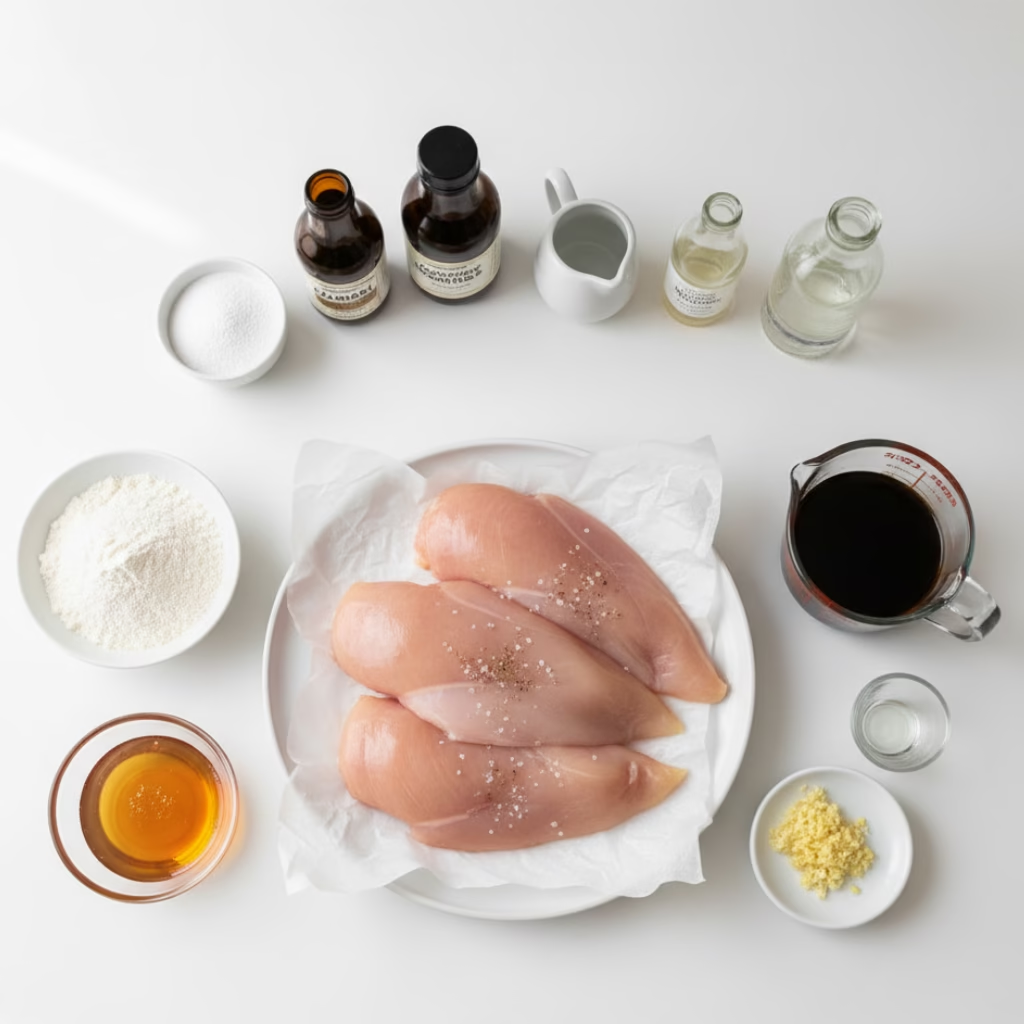
What you’ll need
- Chicken breasts (about 2 pounds): I use thin-cut ones when I can find them, but if you only have thick breasts, slice them in half horizontally. Pounding them to about ½ inch thick works too. The goal is even cooking—thick pieces dry out fast. That said, if you prefer thighs, go for it. They stay juicier, but they don’t crisp up quite as well.
- Flour (¼ cup): This isn’t about flavor. It’s all about texture. The light coating helps create that sear and gives the sauce something to grab onto. If you’re gluten-free, cornstarch works even better—it fries up crispier.
- Soy sauce (⅓ cup, low-sodium): I stick with low-sodium so I can control the salt, especially since the sauce reduces. Tamari is a good sub if you need gluten-free. Coconut aminos work in a pinch, but they’re sweeter and milder.
- Honey (¼ cup): It’s not just for sweetness—the honey helps the sauce caramelize slightly as it simmers. Pure maple syrup is a decent alternative. I’ve tried agave, but it doesn’t thicken the same way, and the flavor feels flat.
- Garlic (4 cloves, minced): Fresh only. The jarred stuff doesn’t have the same punch. I use a microplane when I remember—it makes the garlic almost paste-like, so it blends evenly into the sauce.
- Rice vinegar (2 tablespoons): This is what keeps the dish from feeling heavy. It adds a clean tang that cuts through the sweetness. Apple cider vinegar works fine. Avoid balsamic—it’s too sweet and dark, and it changes the color and flavor more than you’d think.
How to make it (without messing it up)
Prep the chicken: Slice each breast in half horizontally to make thinner cutlets. Season both sides with salt and pepper. Dredge them lightly in flour—shake off the excess. And yeah, pat them dry first. Moisture is the enemy of crispiness, and I’ve learned that the hard way.
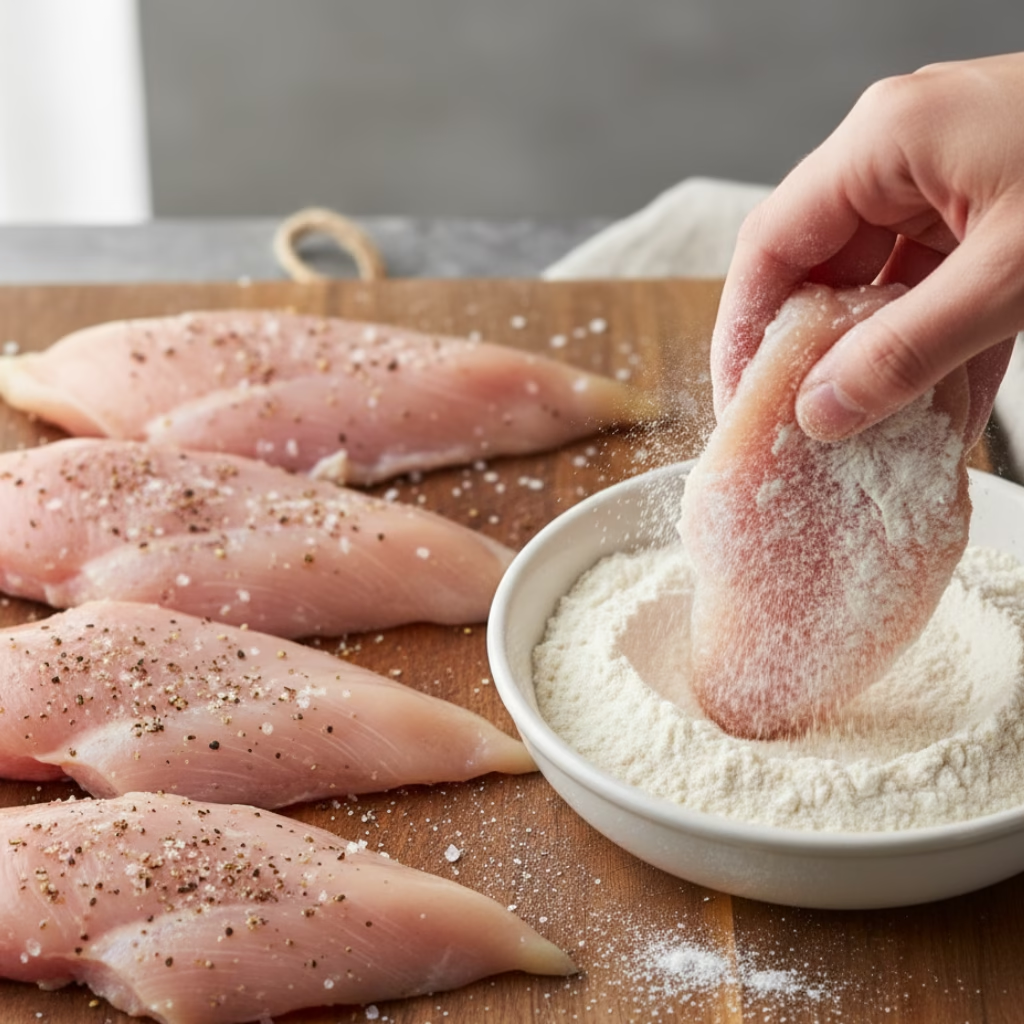
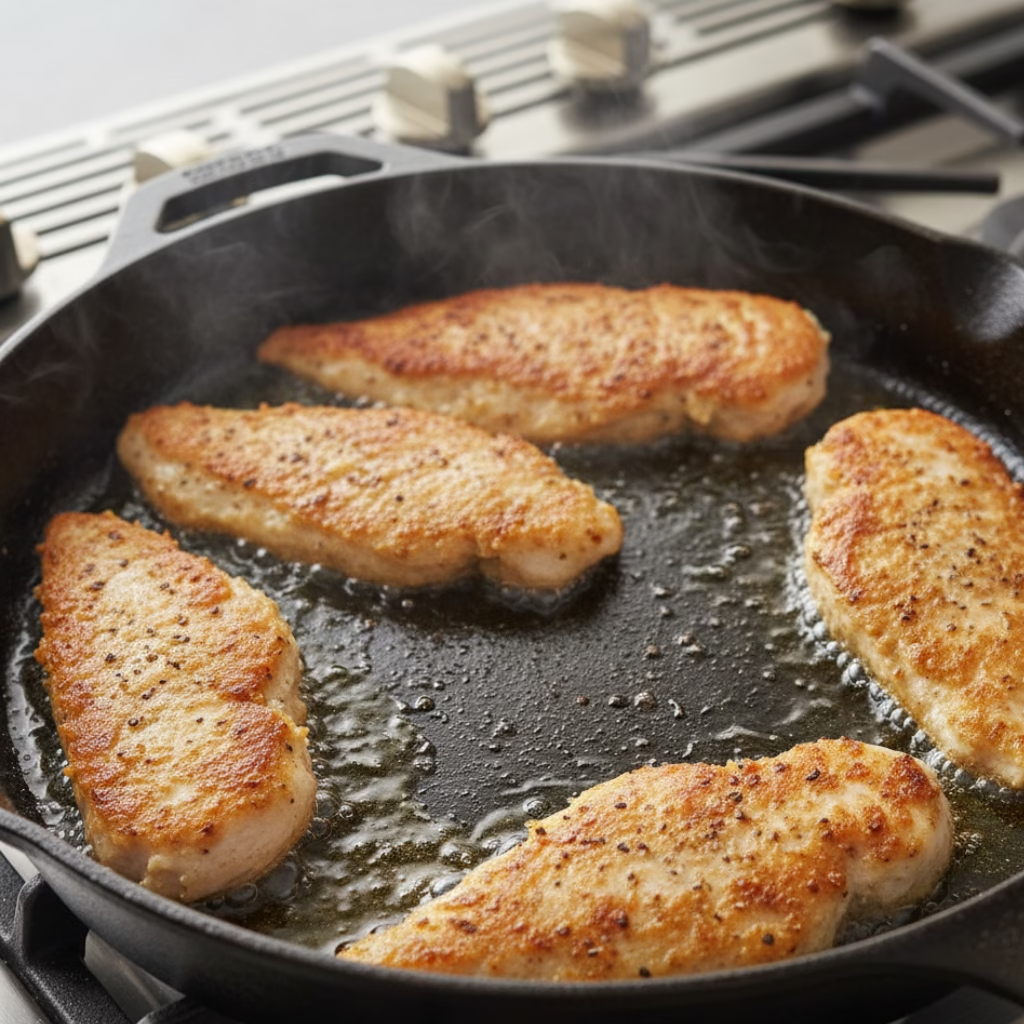
Sear them: Heat a couple tablespoons of olive oil in a large skillet over medium-high. Wait until it shimmers. Add the chicken in a single layer—don’t crowd the pan. If you do, they’ll steam instead of sear. Cook 3–4 minutes per side, until golden and cooked through (165°F internal temp). Transfer to a plate and cover loosely with foil.Pro tip: If the chicken sticks, don’t force it. Let it cook another 30 seconds. When it’s ready, it’ll release on its own.
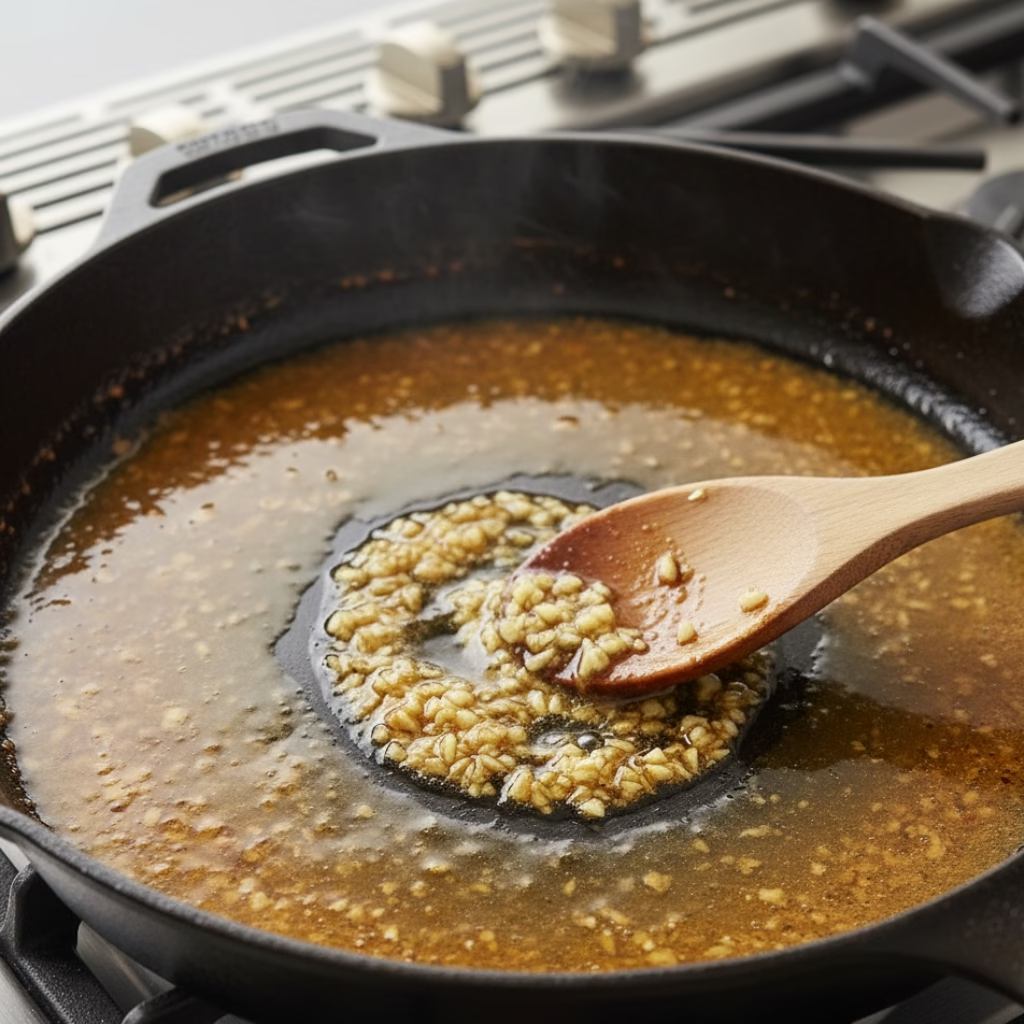
Make the sauce: In the same pan, drop in a tablespoon of butter. Let it melt, then add the garlic. Stir for about 30 seconds—just until it smells good, not burnt. Pour in the soy sauce, honey, and rice vinegar. Scrape up those browned bits with a wooden spoon. Bring it to a gentle simmer.
Thicken it: Mix 1 teaspoon cornstarch with 2 teaspoons water. Stir it into the sauce and cook for 1–2 minutes, stirring constantly, until it thickens to a syrupy consistency. It should coat the back of a spoon.
Finish: Return the chicken to the pan, spooning the sauce over each piece. Let it warm through for a minute or so. Don’t let it simmer too long—the sauce can start to break down the crust.
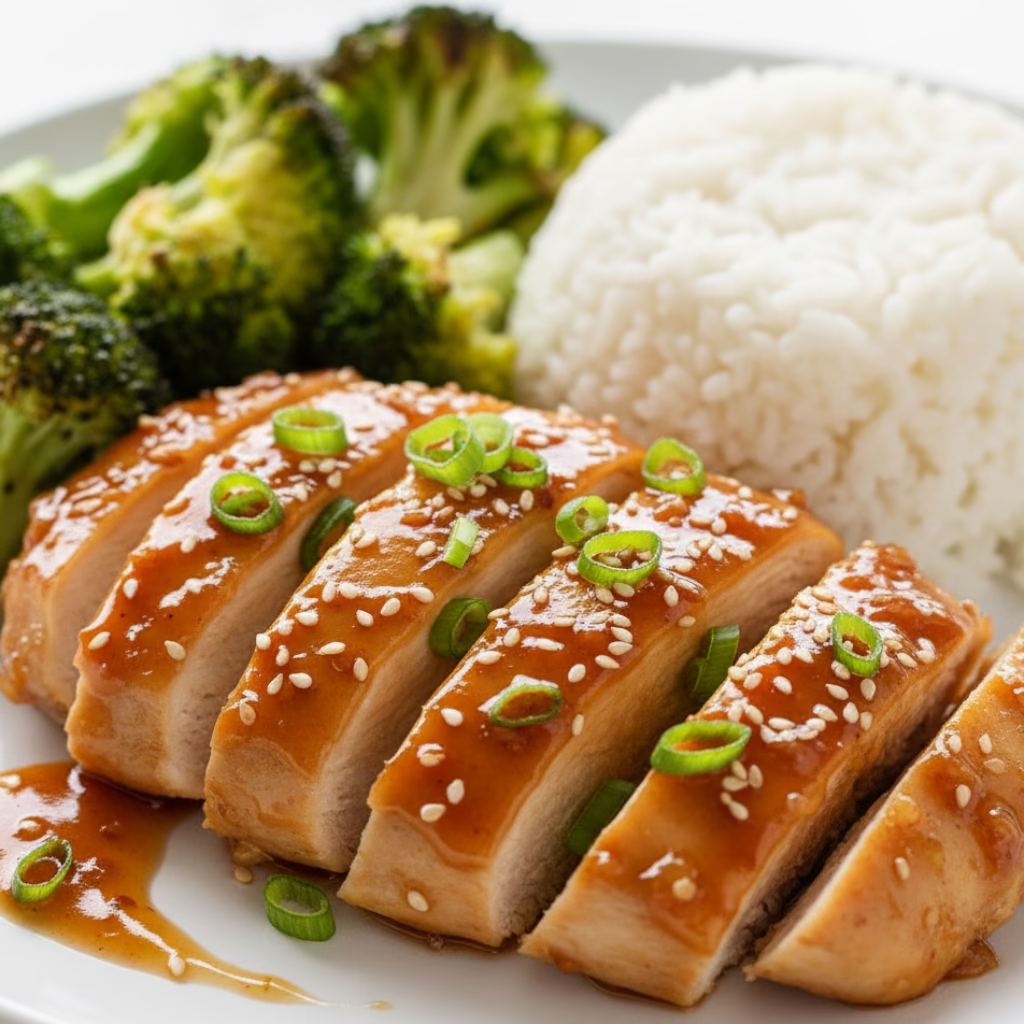
Serve: Plate it up, drizzle with extra sauce, and throw on some sliced green onions and sesame seeds if you feel like it. I usually serve it with rice, but quinoa or roasted broccoli work too.
A few things I’ve learned
- Don’t skip the flour. I know it’s one more step, but it really does make a difference. Without it, the sauce just soaks in and the texture turns sad.
- Use a thermometer. Chicken breasts cook fast, and they go from juicy to dry in seconds. I pull mine at 160°F—they’ll rise to 165°F while resting.
- Cook in batches if your pan’s small. Crowding = steaming = no crisp.
- Add the sauce at the end. Coating the chicken too early kills the crunch.
- If the sauce doesn’t thicken, make another slurry—½ teaspoon cornstarch + 1 teaspoon water—and stir it in. It should come together quickly.
Leftovers and variations
Leftovers keep in the fridge for up to 3 days. The flavor holds up, but the crispiness fades. To revive it, reheat in a skillet with a splash of broth, or pop the chicken in a 350°F oven for 5–7 minutes before adding sauce.
You can freeze it for up to 2 months, but again, texture suffers. It’s fine for flavor, not crunch.
Variations I’ve tried:
- Gluten-free: Use cornstarch and tamari.
- Spicy: Add a teaspoon of sriracha or a pinch of red pepper flakes.
- Lower sugar: Cut the honey to 2 tablespoons and add a splash of chicken broth.
- More veggies: Toss in broccoli or bell peppers with the sauce at the end. It turns it into more of a stir-fry.
Can you make it ahead?
Sort of. You can sear the chicken and make the sauce separately, then combine when reheating. That helps preserve texture. But honestly, it’s best fresh.
What if I don’t have rice vinegar?
Apple cider vinegar works. White vinegar in a pinch. Avoid distilled white vinegar—it’s too harsh.
How do you know when it’s done?
Thermometer is best: 165°F in the thickest part. No thermometer? Cut into one piece. It should be white all the way through, no pink.
This isn’t a groundbreaking recipe, but it’s reliable. And sometimes, that’s exactly what you need.
Crispy Honey Garlic Chicken Breast (Quick)
Course: Dinner, MainCuisine: AmericanDifficulty: Easy4
servings10
minutes15
minutes350
kcal25
minutesWeeknight-friendly chicken that sears up crisp and gets coated in a glossy honey garlic sauce, sweet-savory with a clean tang. Ready in 25 minutes, one skille
Ingredients
2 pounds boneless, skinless chicken breasts (about 4 pieces), thin-cut or sliced horizontally into cutlets
1/2 to 3/4 teaspoon kosher salt, divided, plus more to taste
1/2 teaspoon black pepper
1/4 cup all-purpose flour (light dredge)
2 tablespoons olive oil
1 tablespoon unsalted butter
4 cloves garlic, minced (fresh only)
1/3 cup low-sodium soy sauce
1/4 cup honey
2 tablespoons rice vinegar
1 teaspoon cornstarch mixed with 2 teaspoons water (slurry)
Sliced green onions (optional)
Sesame seeds (optional)
Steamed rice, quinoa, or roasted broccoli (optional)
Directions
- Prep the chicken
Pat chicken dry with paper towels. Slice thick breasts horizontally to make thin cutlets, about 1/2 inch thick. Season both sides with salt and pepper. Add flour to a shallow dish and dredge each cutlet lightly, shaking off excess. This thin coat is what helps lock in moisture and build a crisp crust. - Sear to golden
Heat olive oil in a large skillet over medium-high until shimmering. Place chicken in a single layer without crowding. Sear 3 to 4 minutes per side until deep golden and cooked through, about 160°F at the center before resting. Transfer to a plate and tent loosely with foil. If the chicken sticks, wait 30 seconds and try again, it likely needs more time to release. - Build the sauce
Lower heat to medium. Melt the butter in the same pan, add minced garlic, and cook 30 seconds, just until fragrant. Stir in soy sauce, honey, and rice vinegar. Scrape up browned bits with a wooden spoon. Bring to a gentle simmer. - Thicken and coat
Stir in the cornstarch slurry and cook 1 to 2 minutes, stirring, until the sauce turns glossy and syrupy and coats the back of a spoon. Return chicken to the pan, spoon sauce over each piece, and warm 1 minute. Avoid simmering too long in the sauce, which may soften the crust. - Serve
Plate chicken, drizzle with extra sauce, and garnish with green onions and sesame seeds if you like. Serve with rice, quinoa, or roasted broccoli.
Notes
- Pro tips:
Don’t skip the flour dredge; it’s key for crisp edges and sauce cling.
Use a thermometer. Pull at 160°F and let carryover rise to 165°F.
Don’t crowd the pan. Cook in batches if needed for a proper sear.
Add sauce at the end to keep the crust intact.
If the sauce seems thin, whisk another 1/2 teaspoon cornstarch with 1 teaspoon water and stir in, simmering briefly. - Variations:
Spicy: Add 1 teaspoon sriracha or 1/2 teaspoon red pepper flakes to the sauce.
Lower sugar: Use 2 tablespoons honey and add 1 tablespoon chicken broth.
Veggie add-in: Toss broccoli or bell peppers into the sauce near the end for a quick stir-fry feel. - Nutrition estimate (per serving, 1/4 of recipe):
Calories: ~360 kcal
Protein: ~34 g
Carbs: ~22 g
Fat: ~14 g
Saturated fat: ~3 g
Sodium: varies by soy brand; formulated with low-sodium soy
Sugar: ~17 g
Estimates will vary based on brands, cut size, and exact oil absorption.