This pork tenderloin recipe might just become your new weeknight hero especially when you need something that feels special but doesn’t eat up your evening. I’ve tried a few versions of cranberry-glazed pork over the years, and honestly, most either taste too sweet or take longer than they should. This one stands out because it’s fast, balanced, and doesn’t rely on a slow cooker or a mountain of ingredients. The glaze sticks well, caramelizes nicely, and actually thickens on its own, no cornstarch slurry needed.
It’s not perfect, no recipe is, but it comes close for how little effort it takes. I made it last Tuesday after a long day, and my partner actually paused mid-bite to say, “Wait, did you get this from a restaurant?” That rarely happens. The pork stays juicy, the edges get a bit crisp from the sear, and the glaze walks that fine line between tart and sweet without tipping into jelly territory.
Here’s how it goes down:
Prep time: 10 minutes
Cook time: 20 minutes
Serves: 4 to 6
Difficulty: Easy (even if you’re tired or distracted)
You’ll need a single oven-safe skillet—preferably cast iron or stainless steel—because you’re searing and roasting in the same pan. That’s part of why cleanup stays manageable. I usually pair it with garlic mashed potatoes or roasted Brussels sprouts, but rice or even a simple arugula salad works fine too.
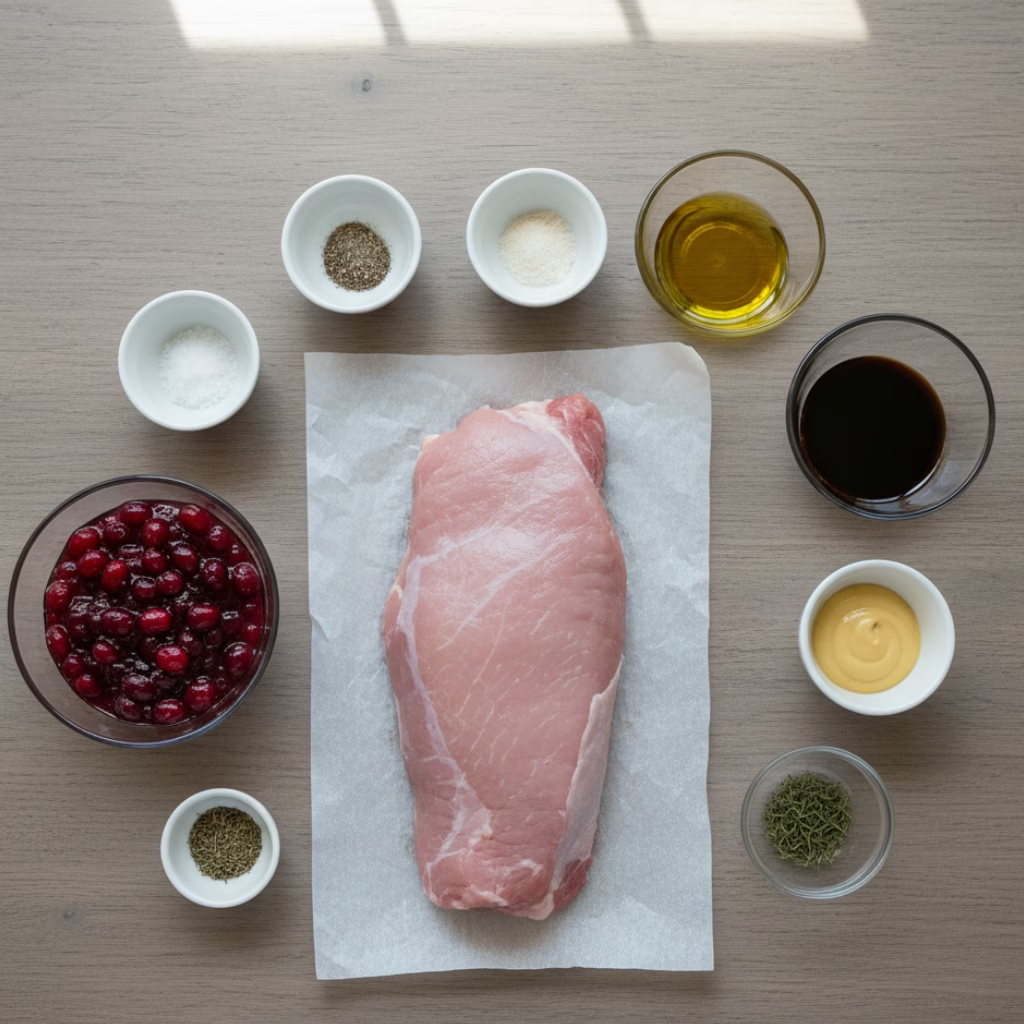
The Ingredients
- Pork tenderloin – One 1.5-pound piece is ideal. It’s lean, so it cooks fast, and it soaks up flavor better than you’d expect. Trim off any silverskin or excess fat before seasoning. If you can’t find tenderloin, pork loin will work, but it’s thicker and might need 5–10 extra minutes in the oven.
- Canned whole-berry cranberry sauce – I know it sounds odd, but it’s actually great here. The berries burst and thicken the glaze while adding texture. You could use fresh or frozen cranberries (simmered with a little sugar and water), but the canned version is faster and still tastes good. I use the kind in the cylinder—no shame.
- Balsamic vinegar – Not the cheap stuff, if you can help it. A decent bottle makes a difference. It reduces into a syrupy base that gives the glaze depth. If you’re out, red wine vinegar with a teaspoon of sugar can stand in, but it won’t have the same richness.
- Dijon mustard – Adds a subtle sharpness and helps the glaze cling. I’ve tried yellow mustard once—fine, but duller. Whole grain mustard works too, though it changes the texture slightly.
- Garlic and onion powder – Convenient, consistent, and they dissolve into the glaze without burning. Fresh garlic is an option (about two cloves, minced), but it can brown too fast if you’re not careful.
- Olive oil – For searing. Just enough to coat the pan. If you’re worried about smoking, swap in avocado oil.
How to Make It (Without Stress)
Start by patting the pork dry. This isn’t just a suggestion—it really does make a difference. Wet meat steams instead of sears, and you want that golden crust. Season it with salt, pepper, garlic powder, and onion powder. Let it sit on the counter while you preheat the oven to 400°F. Ten minutes is enough to take the chill off, which helps it cook evenly.
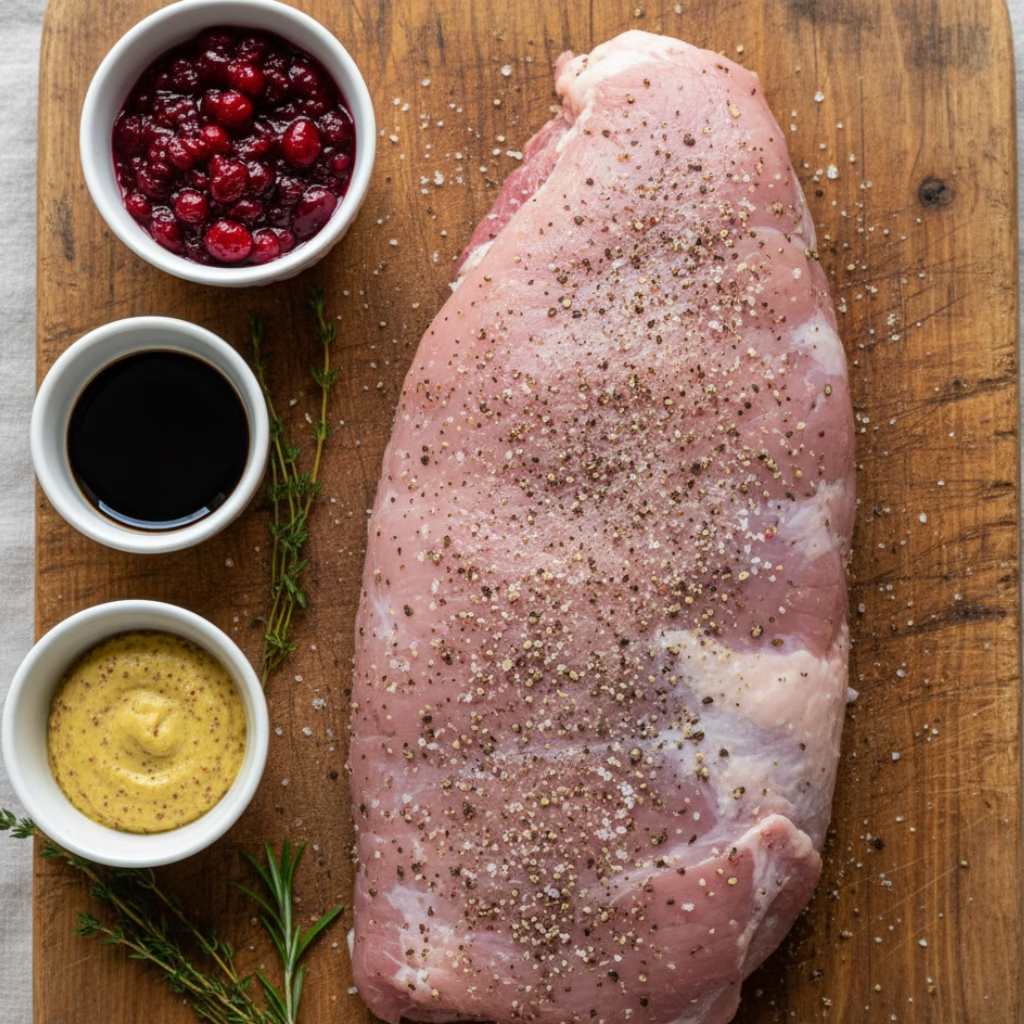
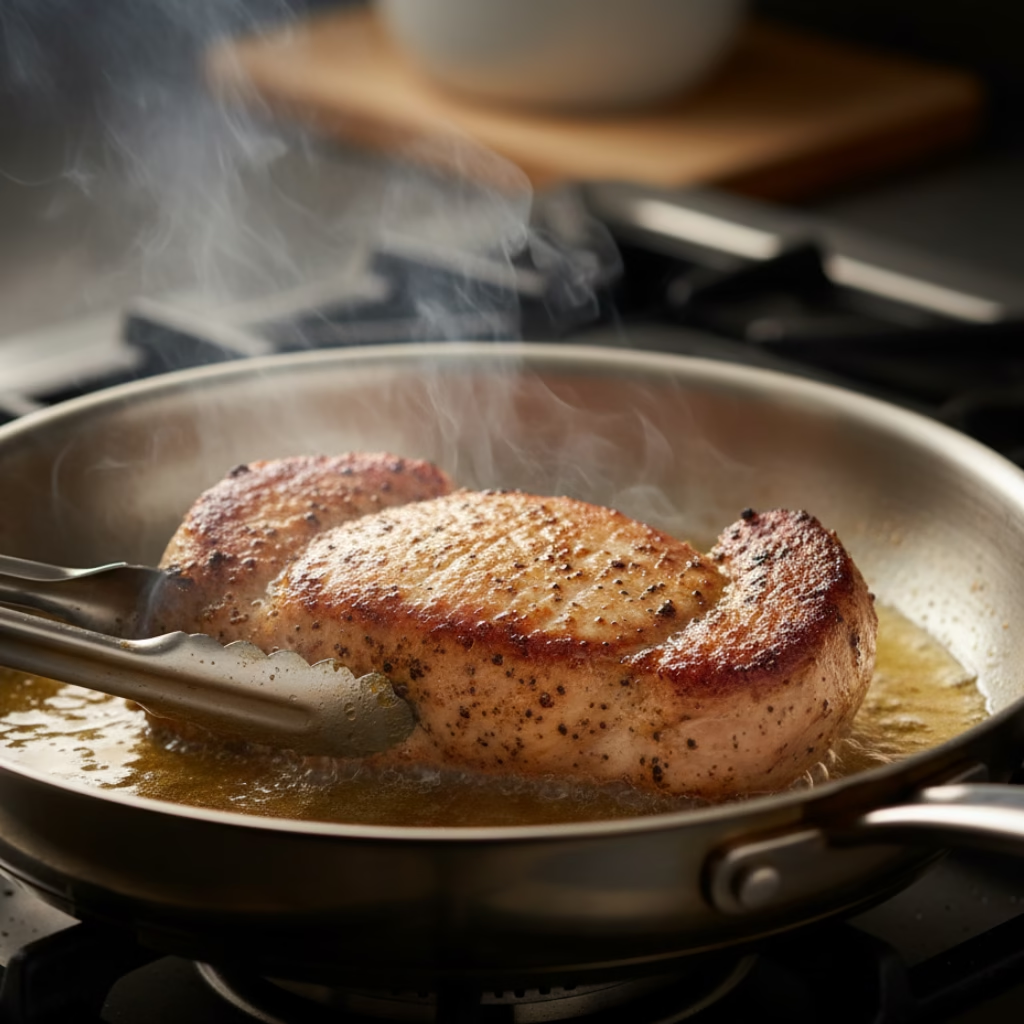
Heat a little olive oil in your skillet over medium-high. When it shimmers, add the pork. Sear for 2–3 minutes per side, turning with tongs, until it’s browned all over. It should release easily when it’s ready—don’t force it.
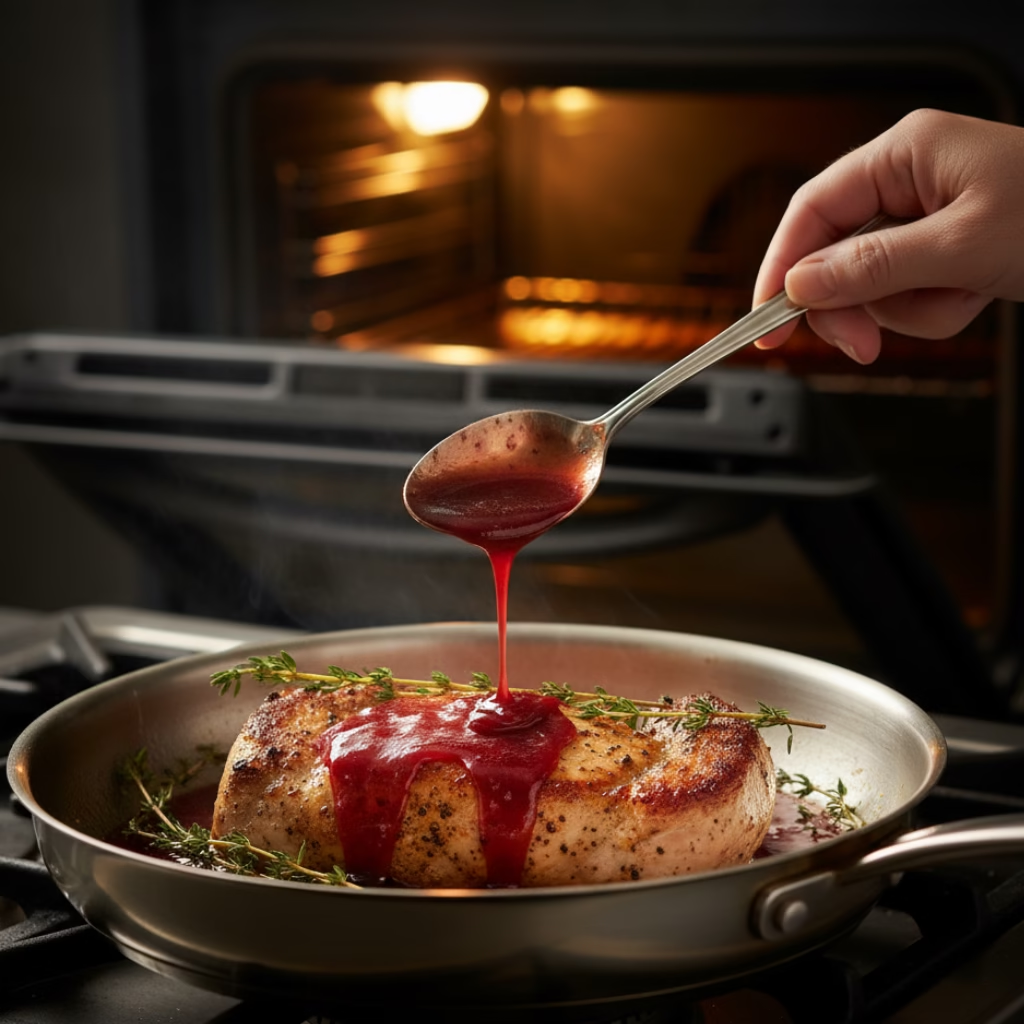
While it’s searing, mix the glaze: half a cup of cranberry sauce, 3 tablespoons balsamic vinegar, 1 tablespoon Dijon, and a pinch of dried thyme. Stir it together in a bowl. Spoon about half of it over the pork, rolling it to coat.
Pop the skillet into the oven. Roast for 12 to 15 minutes, then baste with the rest of the glaze. I use a meat thermometer—pull it at 140°F. It’ll rise to 145°F while resting, which is USDA-safe and still juicy. Any higher, and you risk dryness.
Let it rest under a loose tent of foil for 5–10 minutes. This part matters. Skipping it means the juices run out when you slice, and no one wants dry pork. While it rests, you can heat the pan juices with a bit more glaze to serve on the side.
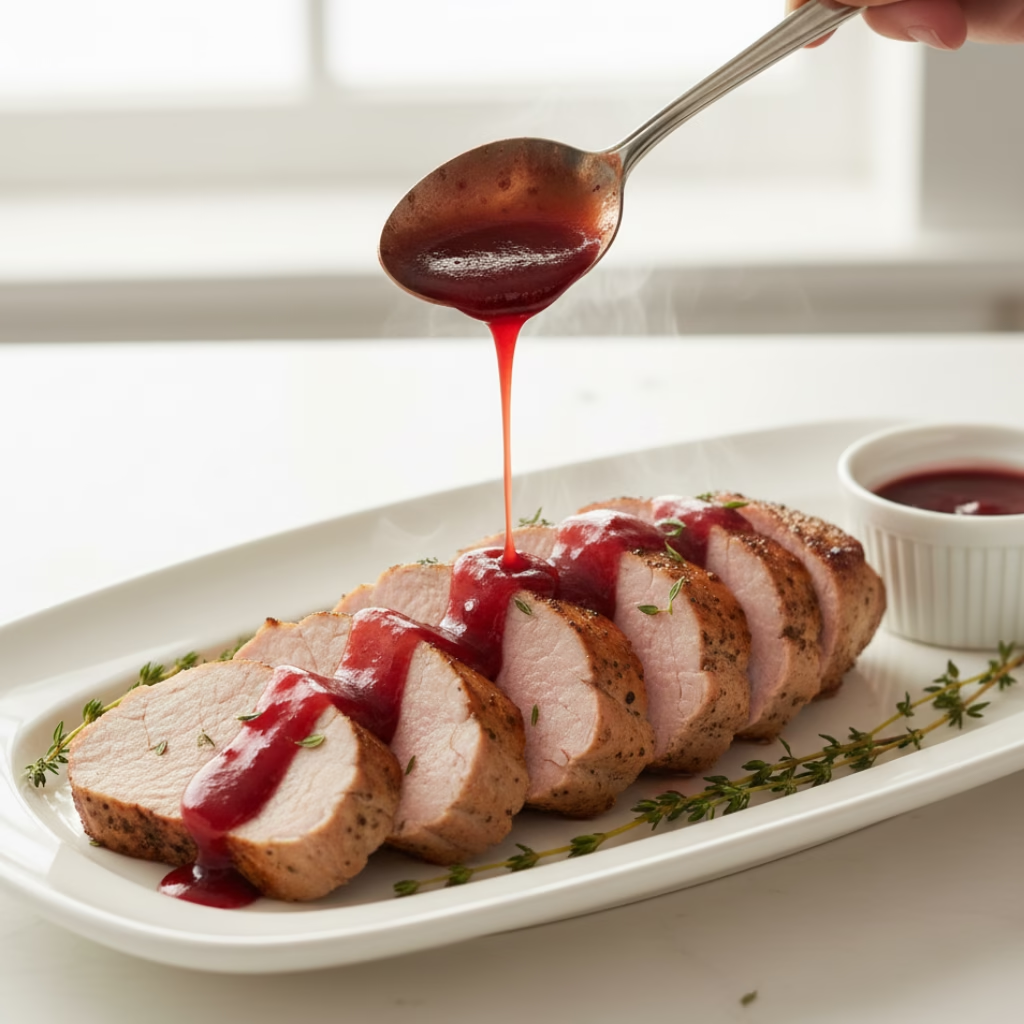
Slice into half-inch rounds and drizzle with extra sauce. The color is nice—deep red glaze, pink pork, a bit of char on the edges. It looks like you tried harder than you did.
A Few Things That Help
- Use the thermometer. I’ve overcooked pork before, and it’s not fun. 145°F is the sweet spot.
- Don’t rush the sear. Let the pan get hot, and don’t move the meat until it releases. That crust adds flavor.
- Dry the pork. Seriously. Paper towels are your friend.
- Baste once. It builds layers in the glaze and helps it stick.
- Rest it. Again, I know it’s tempting to cut right in, but wait.
Leftovers and Tweaks
Leftovers keep well—up to four days in the fridge, or three months in the freezer. Reheat gently in the oven at 325°F, covered, to avoid rubbery texture. The glaze firms up when cold, but it loosens when warmed.
If you want to change things up:
- Add a pinch of red pepper flakes for heat.
- Swap thyme for rosemary or sage—both go well with pork and cranberry.
- For lower sugar, try sugar-free cranberry sauce and cut back on the balsamic, replacing it with apple cider vinegar.
- It’s naturally gluten-free, but double-check labels on mustard or Worcestershire if you’re strict.
A Few Realistic Notes
The glaze can run thin if your cranberry sauce is watery or you skip reducing the pan juices. If that happens, just simmer the sauce on the stove for a few minutes. It thickens fast.
And while you can prep the glaze ahead (up to three days), I wouldn’t sear and roast the pork in advance. It loses that crisp edge when reheated. Better to sear it fresh.
I’ve served this at a small holiday dinner and on a random Tuesday—both times, people asked for the recipe. It’s not groundbreaking, but it’s reliable, tasty, and feels like more effort than it is. My kids, who are picky about anything “tangy,” actually go back for seconds. That alone says something.
If you try it, serve it with something creamy or green to balance the sweetness. And don’t overthink it—sometimes a simple pan, a few ingredients, and a thermometer are all you need.
Cranberry Balsamic Glazed Pork Tenderloin Recipe
Course: All Recipes, Dinner, MainCuisine: AmericanDifficulty: Easy4
servings10
minutes20
minutes350
kcal30
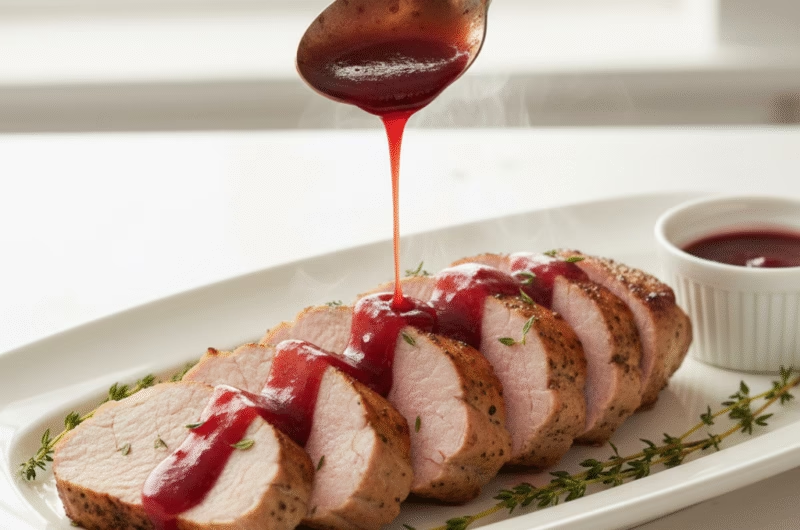
minutesThis cranberry balsamic glazed pork tenderloin is fast, flavorful, and easy enough for a weeknight but impressive enough for guests. Juicy seared-and-roasted pork gets a glossy, tangy-sweet glaze that thickens without cornstarch—just a simple mix of canned cranberry sauce, balsamic vinegar, and Dijon mustard. It’s a one-pan meal that’s family-friendly and adaptable (gluten-free by default). Prep, cook, and serve in half an hour—ready before you’d get takeout delivered.
Ingredients
1.5 pounds pork tenderloin, trimmed of excess fat and silverskin
1/2 teaspoon salt
1/4 teaspoon black pepper
1 teaspoon garlic powder
1 teaspoon onion powder
2 tablespoons olive oil
1/2 cup whole-berry cranberry sauce (from a can, or see note for fresh)
3 tablespoons balsamic vinegar
1 tablespoon Dijon mustard
1/4 teaspoon dried thyme (or rosemary/sage for variation)
Directions
- Prep the Pork: Pat tenderloin dry with paper towels. Season with salt, pepper, garlic powder, and onion powder. Let it sit at room temperature for 10 minutes while you preheat the oven to 400°F.
- Sear: Heat olive oil in an oven-safe skillet over medium-high. When shimmering, add pork and sear for 2–3 minutes per side, until well browned.
- Mix Glaze: In a small bowl, stir together cranberry sauce, balsamic vinegar, Dijon mustard, and thyme. Spoon half over the seared pork, rolling to coat.
- Roast: Transfer skillet to the hot oven. Roast for 12–15 minutes, basting once with remaining glaze, until a meat thermometer reads 140°F in the thickest part (it will rise to 145°F as it rests).
- Rest & Finish: Remove from oven. Tent loosely with foil and let rest 5–10 minutes. Meanwhile, simmer pan juices with a bit more glaze for serving, if you like.
- Slice: Carve into 1/2-inch medallions and drizzle with extra glaze. Serve warm.
Notes
- Nutrition (per serving, 1/6 of recipe)
Calories: ~350
Protein: 35g
Fat: 12g
Carbohydrates: 17g
Fiber: 1g
Sugar: 13g
Note: Nutrition will vary depending on specific ingredients used and exact portion size. For a lower-sugar version, use sugar-free cranberry sauce and reduce balsamic vinegar. - Tips for Best Results
Meat Thermometer: Pull at 140°F for juicy, safe pork—it finishes at 145°F while resting.
Don’t Skip the Sear: It’s key for flavor and texture.
Glaze Too Thin? Simmer pan juices and glaze on the stovetop for 3–5 minutes to thicken.
Rest Before Slicing: This keeps the pork juicy.
Leftovers: Store in fridge for up to 4 days or freeze for up to 3 months. Reheat gently in the oven (covered, at 325°F) to avoid drying out.
“1/2 cup whole-berry cranberry sauce (from a can, or see note for fresh)”
There are no notes about fresh cranberries in this recipe?