If you’ve ever made pumpkin soup only to end up with a bland, watery bowl that smells more like disappointment than comfort, you’re not alone. I’ve been there—stirring a pot of pale orange mush, wondering where it all went wrong. But this version? It’s the one that finally got it right.
It’s rich without being heavy, subtly sweet but not dessert-like, and has that velvety texture you’d expect from a restaurant—no roux, no cashew cream, no tricks. Just roasted pumpkin, a few humble ingredients, and a bit of patience. Total time is about 45 minutes, most of it hands-off, and it’s become my default when I want something fast, nourishing, and actually good.
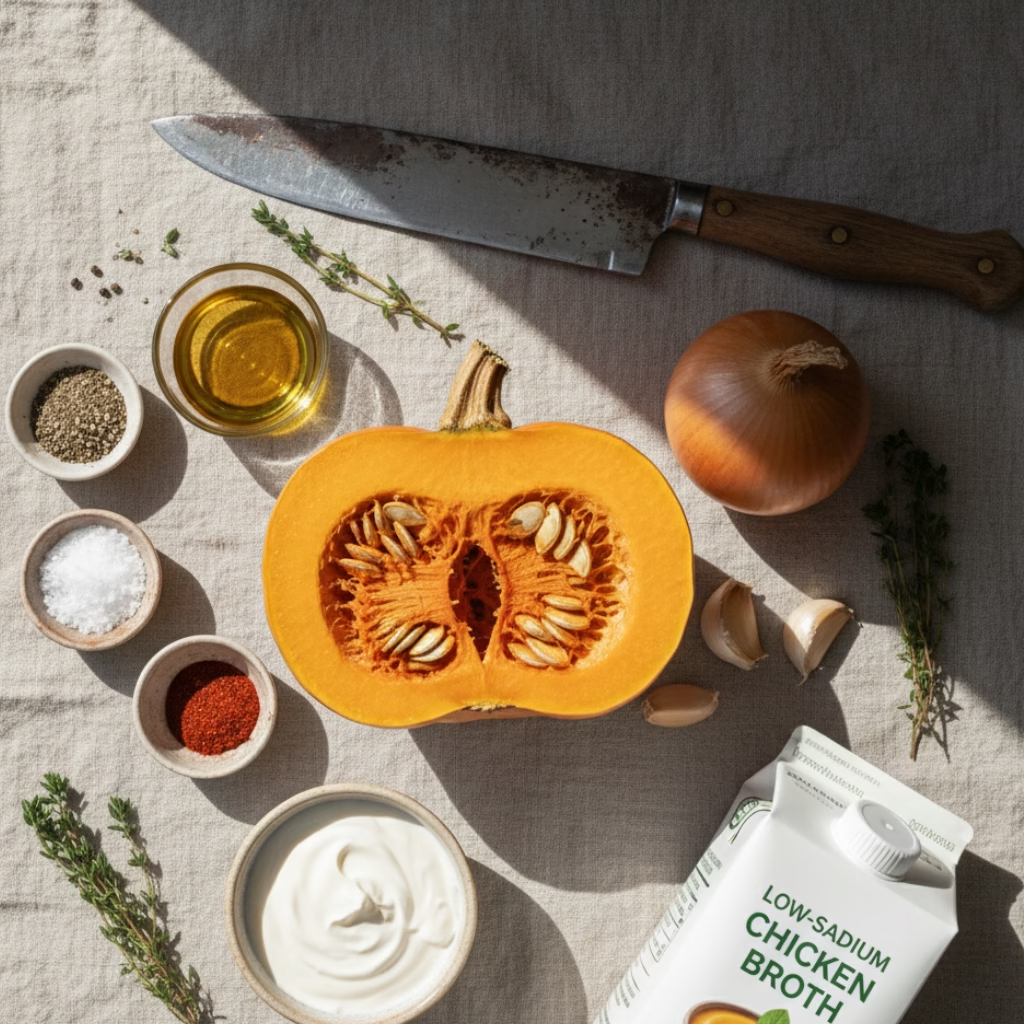
Why Roasting Changes Everything
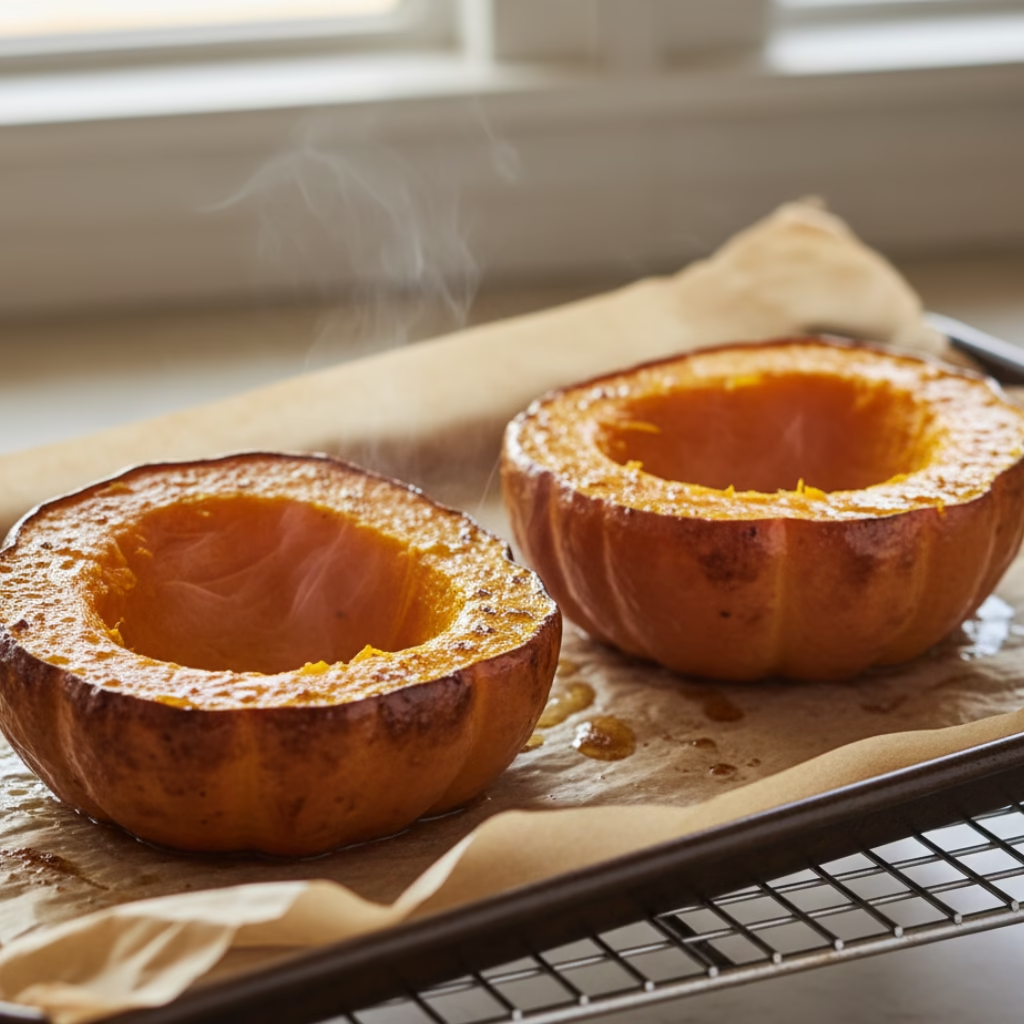
I used to skip roasting. I’d cube the pumpkin, boil it, blend it, and call it a day. But boiled pumpkin tends to absorb water and lose flavor—kind of like overcooked zucchini, but orange. Roasting fixes that. It concentrates the sugars, deepens the color, and gives the soup a warmth that canned puree or boiled flesh just can’t match.
You don’t need a sugar pumpkin, though it’s ideal. Butternut squash works just as well—maybe even better, since it’s easier to cut and often sweeter. Carving pumpkins? I wouldn’t bother. They’re bred for looks, not taste, and the flesh is usually too fibrous and bland.
Just cut your pumpkin (or squash) in half, scoop out the seeds, brush the cut sides with olive oil, and roast cut-side down at 425°F for 40–45 minutes. If you’re in a hurry, cube it first—cuts the time to about 30 minutes. The edges should caramelize slightly. That’s where the flavor lives.
Building Flavor Without Overcomplicating It
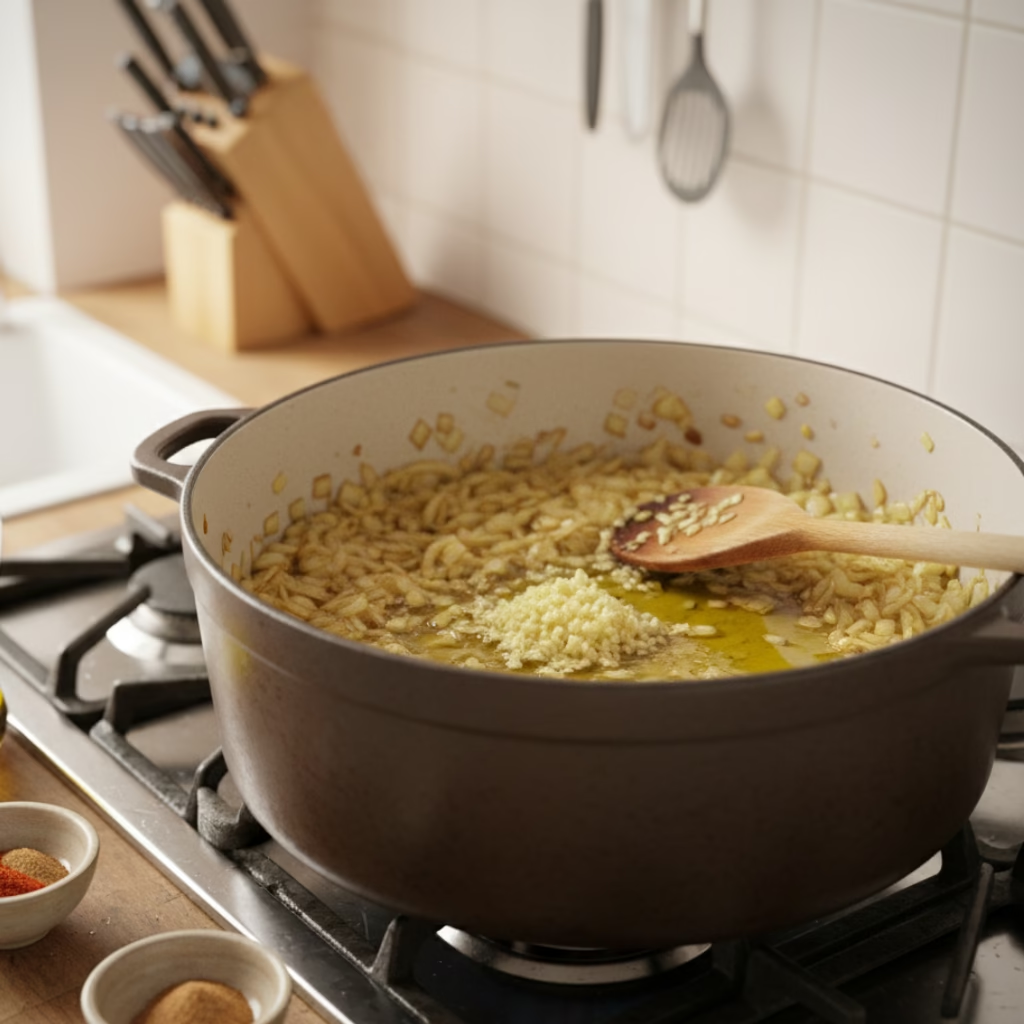
While the pumpkin roasts, I start the base: onion and garlic in olive oil, cooked slowly until soft and translucent. No browning—just enough to mellow the sharpness. If I’m using spices, like a pinch of nutmeg or a dash of cayenne, I stir them in at the end of the sauté for about 10 seconds. It wakes them up without burning.
Then in goes the roasted pumpkin flesh—peeled and broken into chunks—along with broth, a little water, salt, and pepper. I use chicken broth when I have it; it adds a savory depth that vegetable broth sometimes lacks. But good-quality veggie broth works fine, especially if you’re keeping it plant-based.
We simmer for about 15 minutes. Not long, but enough to let the flavors settle into each other. You’ll know it’s ready when the smell fills the kitchen—earthy, sweet, warm.
Blending Safely (And Avoiding Mess)
I use an immersion blender now. It’s safer, cleaner, and you don’t have to worry about hot soup exploding in a countertop blender. But if you’re using a pitcher blender, do yourself a favor: let the soup cool for 5–10 minutes, fill no more than halfway, and hold the lid down with a kitchen towel. Steam builds pressure fast, and I’ve learned that the hard way.
Blend until completely smooth. If it still feels a bit grainy, keep going. The texture should be silky—like something you’d pay $14 for at a bistro.
Finishing Touches That Make a Difference
Cream goes in last. I’ve tried heavy cream, half-and-half, and full-fat coconut milk. All work, but they give different results. Heavy cream adds classic richness. Coconut milk brings a subtle earthiness that some people notice, others don’t. Either way, don’t boil after adding—just warm it through. High heat can make dairy curdle or coconut milk separate.
Taste before serving. This is the step I used to skip, and it made all the difference. If the soup tastes flat, it probably needs a splash of acid—apple cider vinegar or lemon juice. Just a teaspoon can brighten everything. Too thick? Add broth or water, a quarter cup at a time. Too thin? Simmer uncovered for 5–10 minutes to reduce.
Serving and Storing
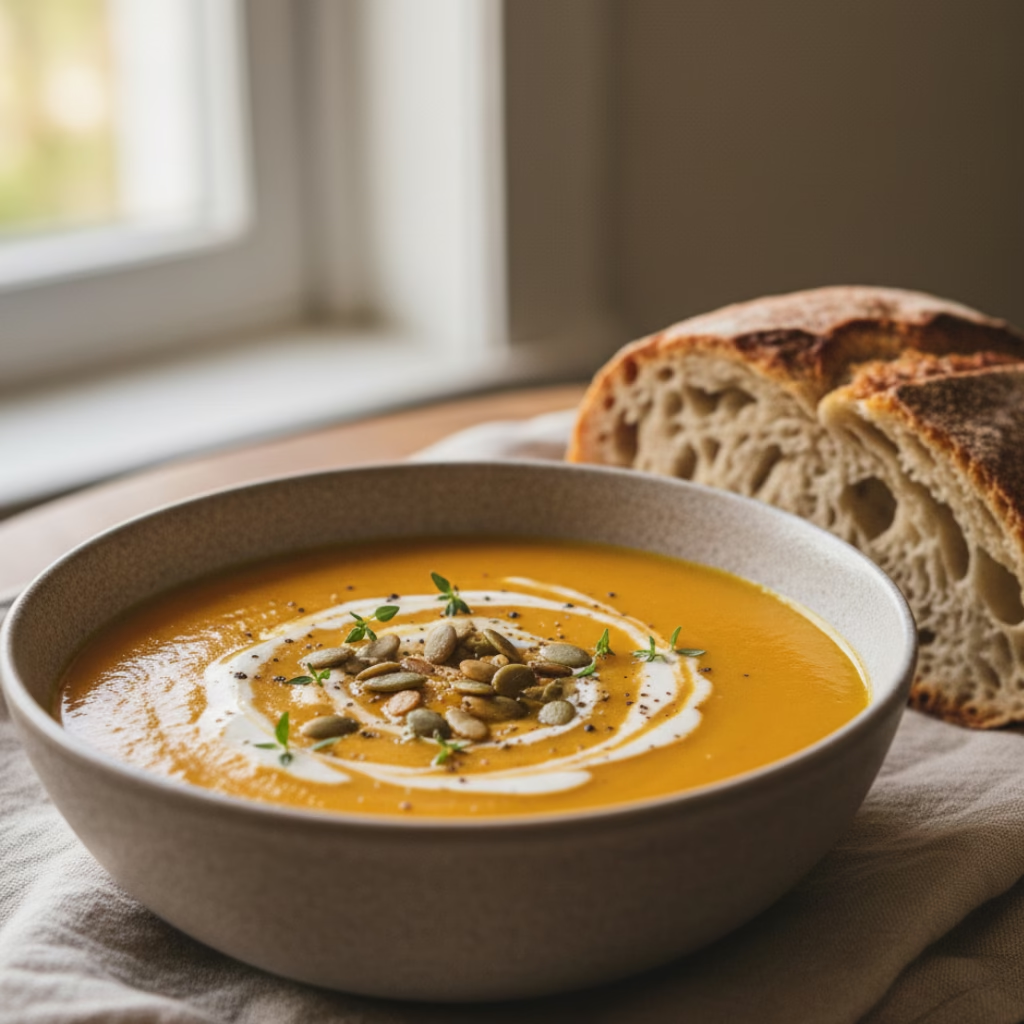
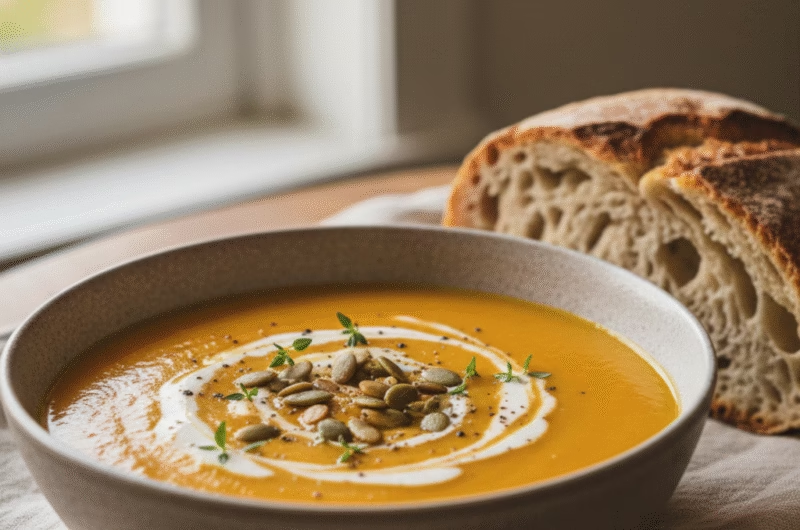
I ladle it into warm bowls, swirl in a little extra cream, and top with toasted pumpkin seeds for crunch. Fresh thyme or a drizzle of chili oil works too, if you’re feeling fancy. Crusty bread on the side is non-negotiable.
Leftovers keep well. In the fridge, it lasts up to 5 days. It thickens when cold, so add a splash of liquid when reheating. For freezing, leave out the cream—freeze the base, then stir in fresh cream when you warm it up. Otherwise, the texture can turn grainy.
Variations That Actually Work
- Dairy-free: Swap cream for full-fat coconut milk. It’s not identical, but it’s rich and works well.
- Spiced twist: Add ½ tsp curry powder or ¼ tsp cumin. A pinch of cayenne gives it a slow warmth.
- Heartier version: Stir in cooked lentils or white beans. Makes it more of a meal.
- Canned pumpkin shortcut: Skip roasting. Sauté aromatics, add 2 cups canned puree (not pie filling), broth, and spices. Simmer 15 minutes, then blend.
Final Thoughts
This isn’t a “wow, look at me” recipe. It doesn’t need truffle oil or edible flowers. It’s just good soup—simple, satisfying, and reliable. I make it when I’m tired, when I’m feeding picky eaters, or when I just want to feel like I’ve done one small thing right.
And honestly? That’s enough.
Pumpkin Soup Recipe
Course: All Recipes, SoupsCuisine: AmericanDifficulty: Easy4
servings15
minutes30
minutes260
kcal45
minutesVelvety roasted pumpkin soup with gently sautéed aromatics, blended until silky and finished with cream or coconut milk, the exact method described in the article above. No roux, no thickeners, just concentrated roasted flavor and balanced seasoning.
Ingredients
1 medium sugar pumpkin or pie pumpkin
1 medium yellow onion, chopped
2–3 garlic cloves, minced
2 tablespoons olive oil
3–4 cups low-sodium chicken broth
1/2 cup heavy cream,
3/4 to 1 teaspoon kosher salt
1/4 teaspoon freshly ground black pepper
Pinch of nutmeg or a tiny pinch of cayenne
For serving: toasted pumpkin seeds, fresh thyme, extra cream, crusty bread
Directions
- Roast the pumpkin: Preheat the oven to 425°F (220°C). Halve the pumpkin, scoop out seeds, brush the cut sides with 1 tablespoon olive oil, and place cut-side down on a parchment-lined sheet pan. Roast 40–45 minutes until very tender, with light caramelized edges. For speed, cube first to reduce roasting time to about 30 minutes. Cool until handleable, then peel and chunk the flesh.
- Sauté aromatics: Meanwhile, warm 1 tablespoon olive oil in a large pot or Dutch oven over medium heat. Add onion and 1–2 pinches of salt. Cook 5–6 minutes until soft and translucent, not browned. Stir in garlic for about 30 seconds until fragrant. If using spices, bloom a pinch of nutmeg or cayenne for 10 seconds.
- Simmer: Add the roasted pumpkin flesh to the pot along with 3 cups broth, remaining salt, and pepper. Bring to a gentle boil, then reduce to a simmer for 15 minutes to meld flavors. Adjust with more broth if it looks too thick.
- Blend smooth: Take the pot off heat. Use an immersion blender to puree until completely silky. For a countertop blender, cool the soup 5–10 minutes, work in batches no more than halfway full, and vent/hold the lid with a towel. Blend until ultra-smooth.
- Finish: Return the soup to low heat. Stir in heavy cream or coconut milk and warm gently without boiling. Taste and adjust salt and pepper. If too thick, add broth or water 1/4 cup at a time. If too thin, simmer uncovered 5–10 minutes. For flat flavor, brighten with 1–2 teaspoons apple cider vinegar or lemon juice.
- Serve: Ladle into bowls. Swirl a little extra cream, sprinkle toasted pumpkin seeds and thyme, crack black pepper, and serve with crusty bread.
Notes
- Pro tips:
Roasting, not boiling, concentrates flavor and avoids a watery texture.
Season in layers: a pinch with onions, more with broth, final adjustment at the end.
Safety first when blending hot soup: cool briefly and never fill the blender more than halfway. An immersion blender keeps it simple.
Texture tightens in the fridge; thin with a splash of broth when reheating. - Storage:
Fridge: Airtight up to 5 days.
Freezer: Up to 3 months; omit cream before freezing and add after reheating.
Reheating: Stovetop over medium-low, stirring often. If microwaving, use 1-minute intervals, stirring between.