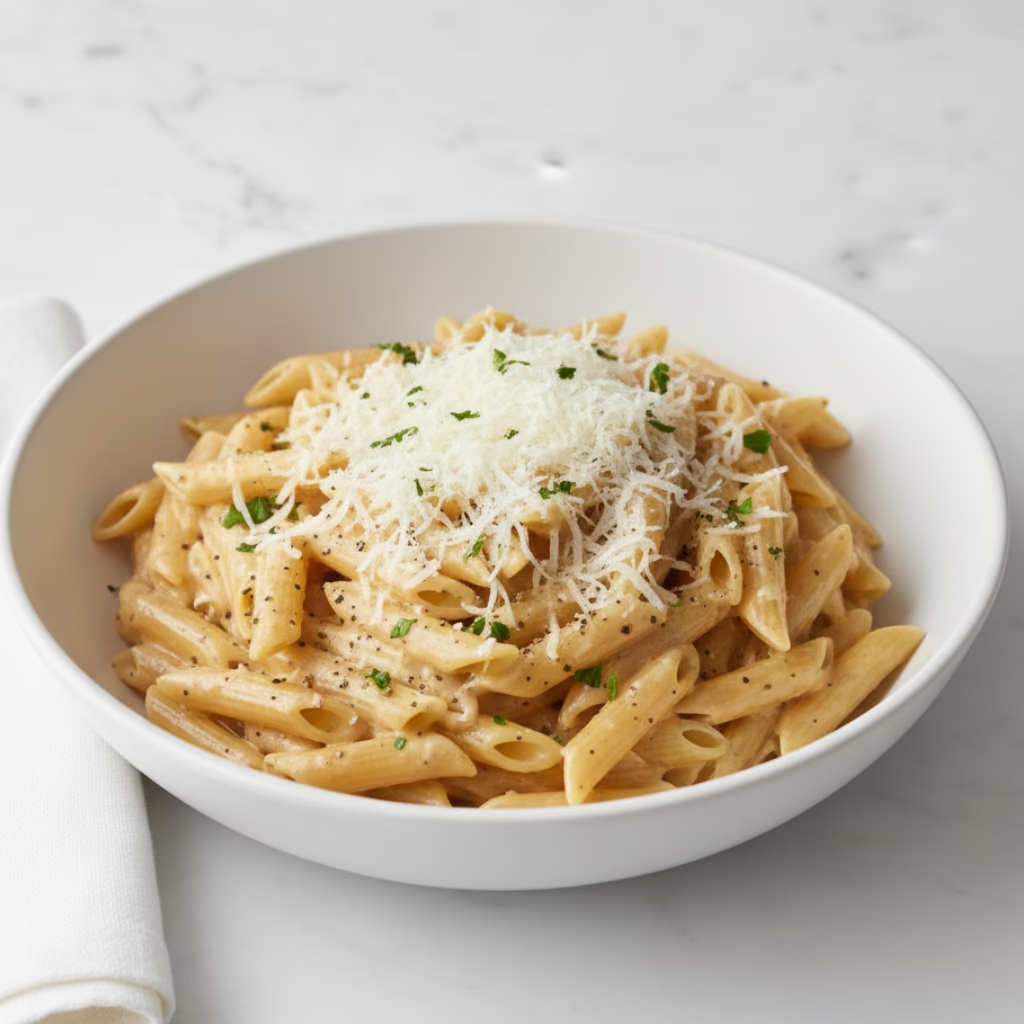
If you’re looking for a dinner that’s rich, comforting, and ready in under 20 minutes, this Garlic Parmesan Pasta is it. It’s the kind of dish that feels indulgent but comes together with just a handful of pantry staples — perfect for busy weeknights when you want something delicious without the fuss. What makes this version stand out? The sauce clings beautifully to the pasta, thanks to a simple roux base and freshly grated Parmesan that melts like silk.
Total time: 20 minutes
Flavors: Creamy, garlicky, deeply savory with a nutty finish from real Parmesan
Why this works better: Unlike recipes that rely on heavy cream or pre-shredded cheese (which can turn grainy), this one uses a milk-based sauce thickened with a roux and finished with block-grated cheese for a smooth, velvety texture every time.
Why You’ll Love This Garlic Parmesan Pasta Recipe
- Ready in 20 minutes flat — from pantry to plate, this is a true weeknight lifesaver
- Creamy without heavy cream — the sauce is rich and satisfying but made with whole milk, so it’s lighter than traditional alfredo
- One-pot friendly — you can cook the pasta and sauce in the same pot, minimizing cleanup
- Family-approved — kids love the mild garlic and cheesy flavor, and picky eaters rarely complain
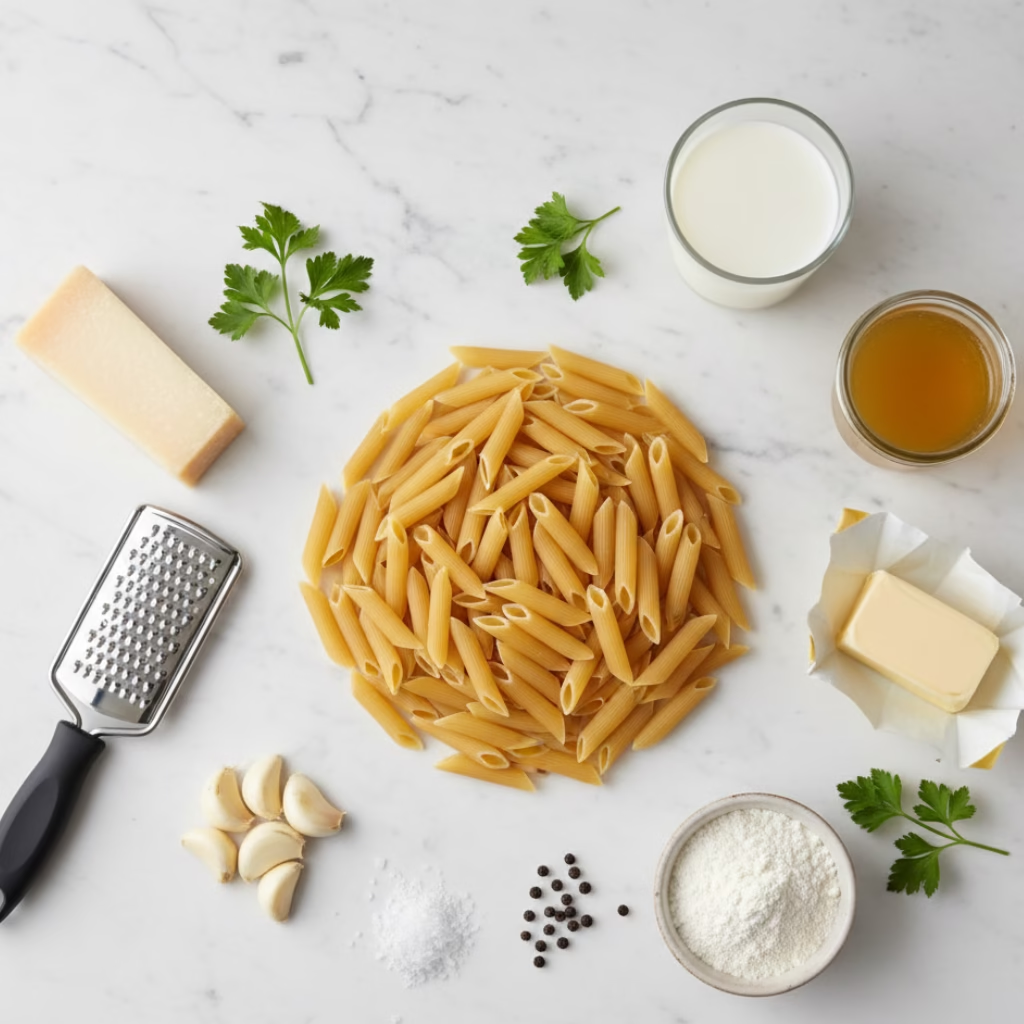
Key Ingredients
Pasta (16 oz) — I prefer penne, rigatoni, or ziti because their shapes hold sauce well. The nooks and crannies trap the creamy garlic sauce, so every bite is flavorful. If you’re gluten-free, Barilla or Jovial GF pasta works great.
Butter (3 tbsp) — unsalted butter gives you control over the salt level. It builds the base of the sauce and adds richness. Don’t skip it — margarine or oil won’t give the same depth.
Garlic (4 cloves) — fresh garlic is non-negotiable here. It’s sautéed briefly to mellow its bite while keeping that signature aroma. If you’re in a pinch, 1 tsp garlic paste works, but avoid jarred minced garlic with preservatives — it can taste sharp.
All-purpose flour (3 tbsp) — this forms the roux, which thickens the sauce without needing cream. Cook it for 30 seconds to remove the raw flour taste — this makes all the difference.
Milk (1 cup) — whole milk ensures the creamiest texture. Skim milk can make the sauce thinner and less luxurious. Warm the milk slightly before adding to prevent the sauce from breaking.
Parmesan cheese (1.5 cups, freshly grated) — this is the star. Pre-shredded cheese contains anti-caking agents that prevent smooth melting. Grating your own from a block ensures a silky, cohesive sauce. Look for Parmigiano-Reggiano if you can — it’s worth the extra few dollars.
See the recipe card below for a complete ingredient list with exact measurements.
How to Make Garlic Parmesan Pasta Recipe
Step 1: Cook the pasta in a large pot of heavily salted water until al dente — about 10–12 minutes, depending on the brand. Salting the water is crucial; it’s your only chance to season the pasta itself. Drain the pasta but do not rinse — you want the starch to help the sauce cling.
Step 2: While the pasta cooks, melt the butter in a medium saucepan over medium heat. Add the minced garlic and cook for 30 seconds, stirring constantly. You’ll know it’s ready when it’s fragrant but not browned — burnt garlic turns bitter.
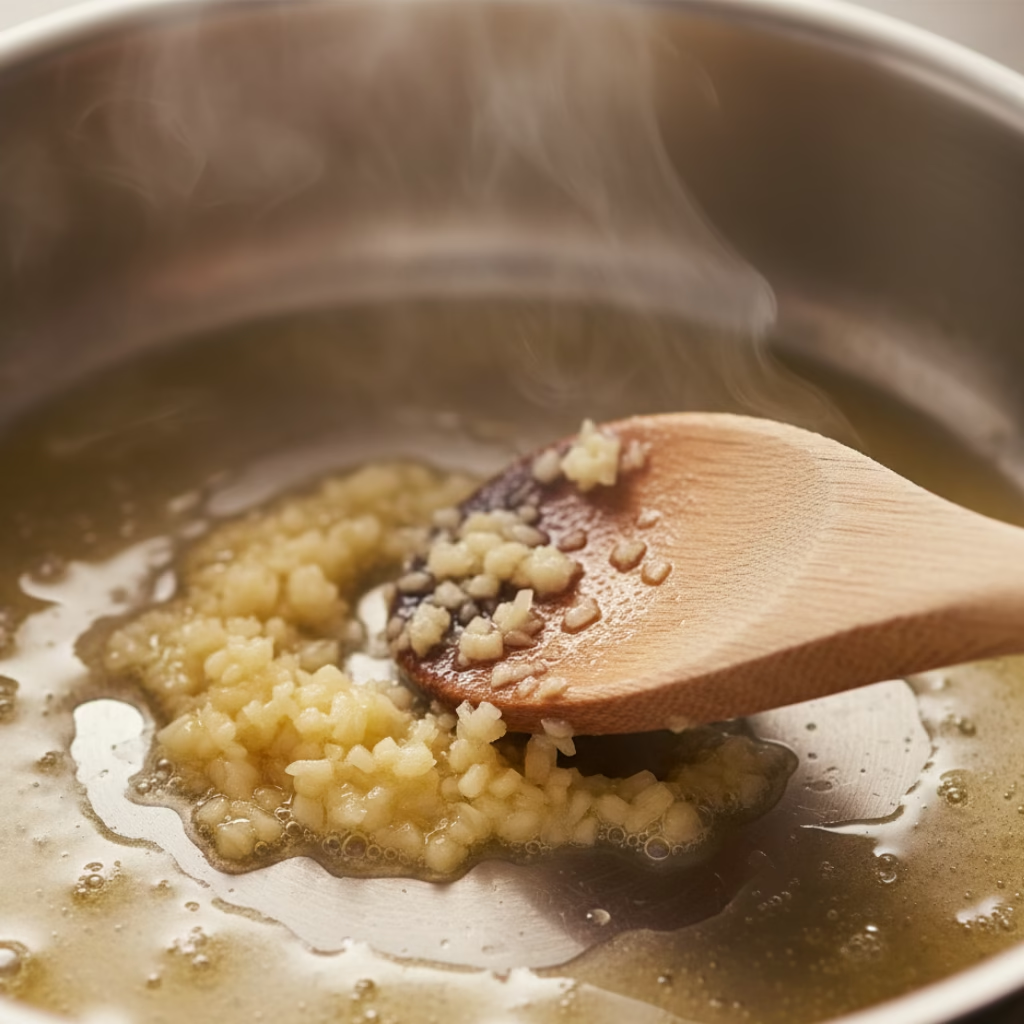
Step 3: Sprinkle in the flour and whisk continuously for 30 seconds to form a roux. This paste will thicken the sauce. It’s okay if it looks thick and pasty — that’s what we want at this stage.
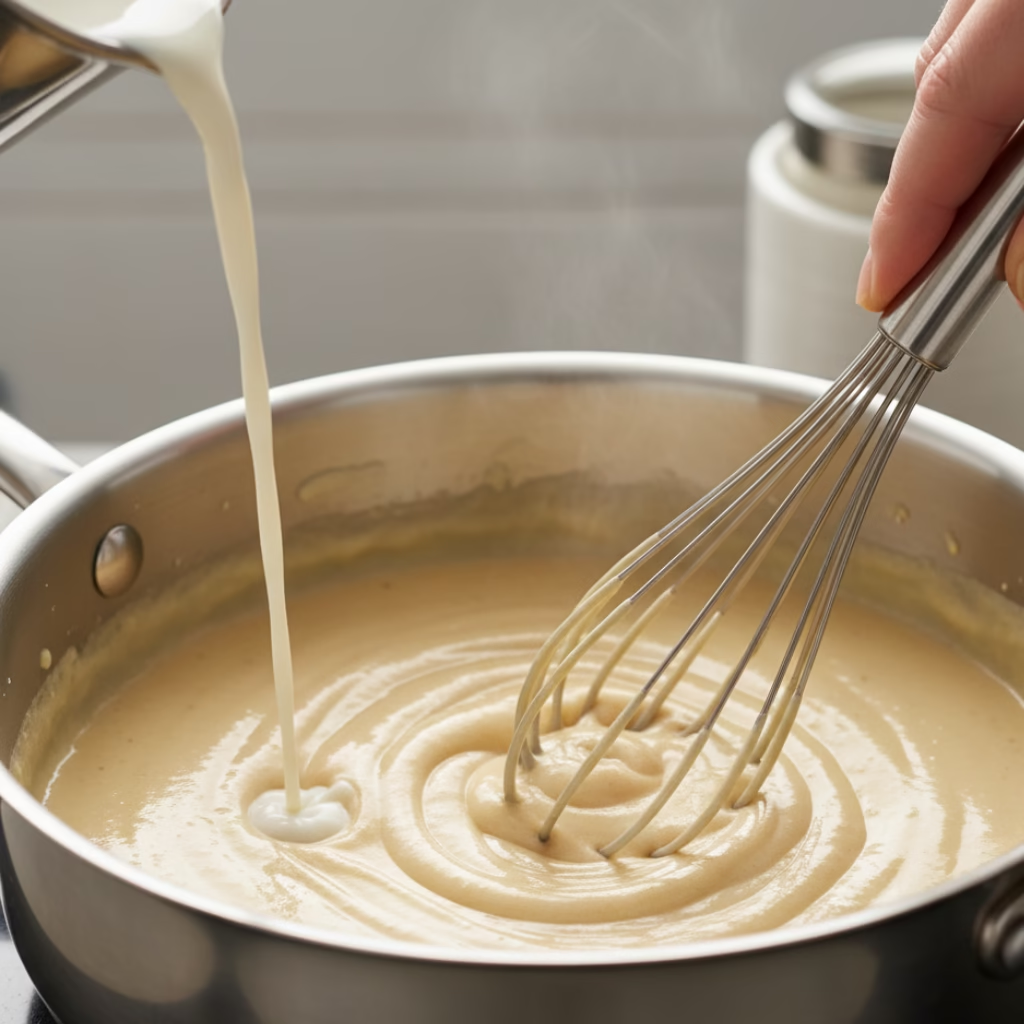
Step 4: Slowly pour in the chicken broth and milk, whisking constantly to prevent lumps. Add the salt, pepper, and dried parsley. Bring to a gentle simmer and cook for 3–5 minutes, stirring often, until the sauce thickens to a creamy consistency — it should coat the back of a spoon.
Step 5: Remove the saucepan from heat. Stir in the grated Parmesan a little at a time, letting each addition melt before adding more. This prevents clumping and ensures a smooth finish.
Step 6: Add the drained pasta to the sauce and toss until evenly coated. If the sauce feels too thick, add a splash of reserved pasta water — about ¼ cup at a time — until it reaches your desired consistency.
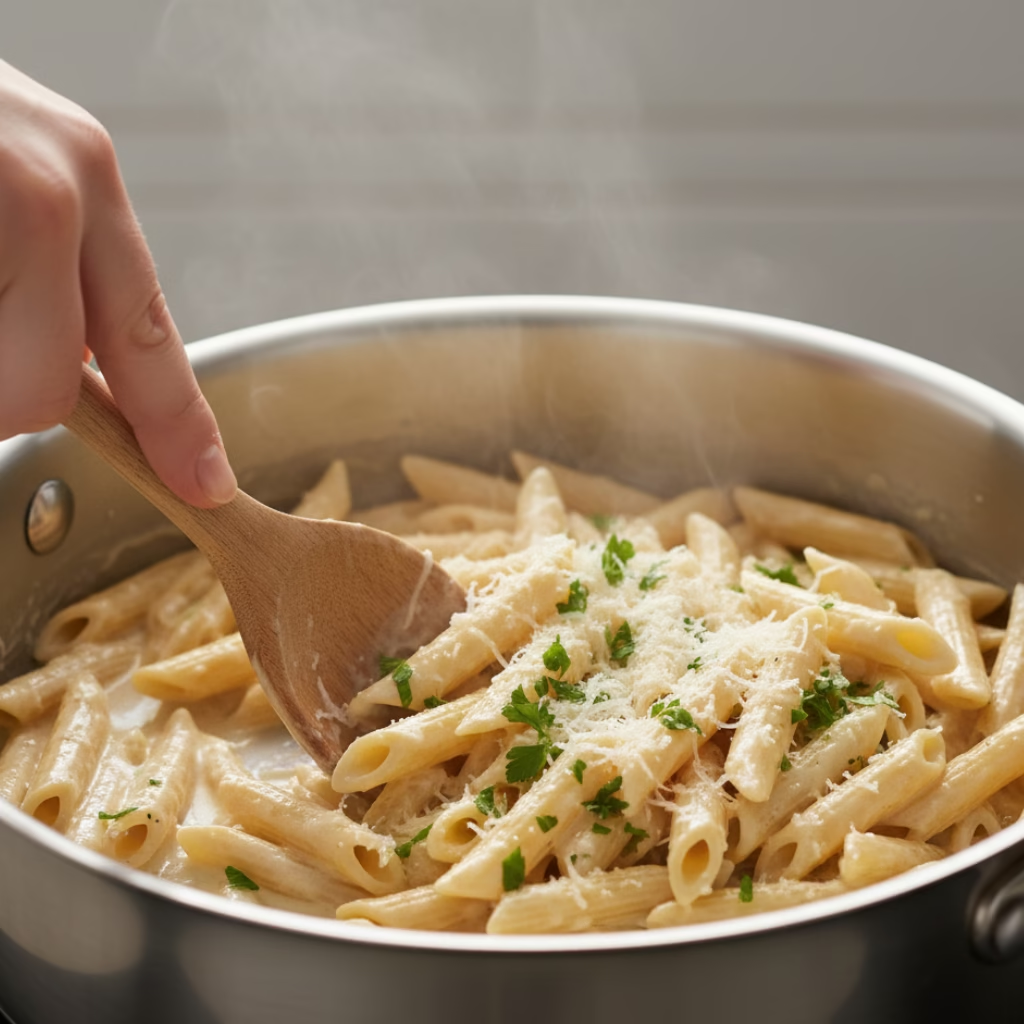
Serve immediately, garnished with extra Parmesan and a sprinkle of fresh parsley if you like.
Pro Tips for Perfect Results
- Grate your own Parmesan — pre-shredded cheese won’t melt smoothly due to added cellulose. This one step makes all the difference in texture.
- Use whole milk — lower-fat milk can result in a thinner, less creamy sauce. If you want it even richer, swap in half-and-half.
- Add pasta water if needed — the starch helps emulsify the sauce. If your pasta looks dry, don’t hesitate to loosen it with a splash.
- Cook the roux briefly — just 30 seconds is enough to remove the raw flour taste without browning it, which would change the flavor.
- Season in layers — salt the pasta water, season the sauce, and taste before serving. This builds balanced flavor throughout.
Storage and Reheating
Store leftovers in an airtight container in the refrigerator for up to 3 days. The sauce will thicken as it cools, so when reheating, add a splash of milk or broth to restore creaminess.
Reheat gently in a skillet over medium-low heat, stirring frequently. Avoid the microwave if possible — it can make the sauce separate or the pasta rubbery.
Freezing is not recommended. Dairy-based sauces tend to break when frozen and thawed, resulting in a grainy, separated texture.
Recipe Variations
- Add protein: Stir in cooked chicken, shrimp, or sautéed mushrooms for a heartier meal. Leftover rotisserie chicken works perfectly.
- Boost veggies: Fold in fresh spinach, roasted broccoli, or sun-dried tomatoes during the last minute of cooking.
- Gluten-free: Use your favorite GF pasta. Cook it separately and rinse briefly to remove excess starch, then toss with the sauce.
- Dairy-free: Swap butter for olive oil, milk for unsweetened oat milk, and Parmesan for nutritional yeast (¼ cup) plus ½ cup cashew cream for richness.
Frequently Asked Questions
Can I make this ahead?
Yes, but it’s best served fresh. If you prep the sauce ahead, reheat it gently and toss with freshly cooked pasta to maintain texture.
Can I use pre-shredded Parmesan?
It’s not recommended. The anti-caking agents prevent smooth melting and can leave a grainy texture. Freshly grated is worth the extra minute.
Why is my sauce thin?
It may need more time to simmer and thicken. If that doesn’t help, make a quick slurry: mix 1 tsp flour with 1 tbsp cold milk and whisk it into the sauce.
Why is my sauce grainy?
This usually happens if the heat is too high when adding cheese, or if you’re using old or pre-shredded Parmesan. Always remove the pan from heat before adding cheese and stir gently.
Can I double this recipe?
Absolutely — just use a large pot to avoid overflow. Double the ingredients, but keep the same cooking times.
Final Thoughts
This Garlic Parmesan Pasta has become my go-to weeknight dinner when I need something fast, comforting, and reliably delicious. It’s the kind of recipe that feels special but doesn’t ask much of you — and it’s always a hit, whether I’m serving it to my family or unexpected guests.
If you try it, I’d love to hear how it turns out. And if you’re looking for a way to make it even more satisfying, pair it with a simple side salad and garlic bread. You’ve got this — now go make dinner magic.
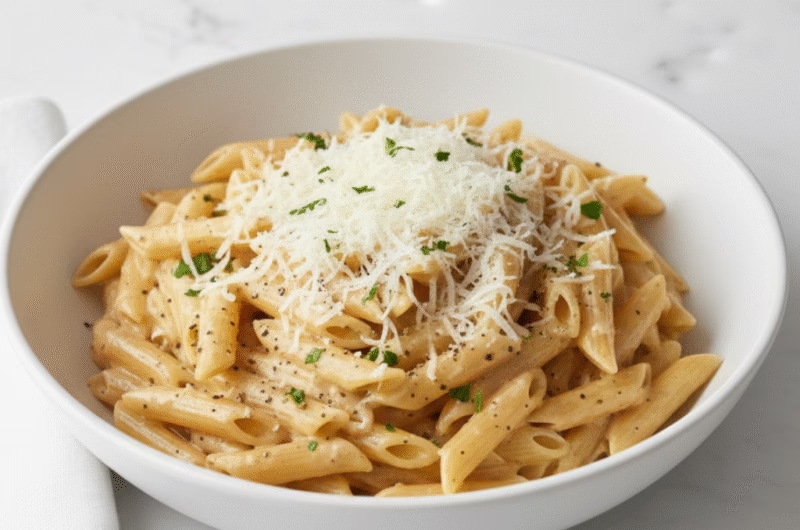
Easy Garlic Parmesan Pasta
Course: All Recipes, Dinner, MainCuisine: AmericanDifficulty: Easy4
servings5
minutes15
minutes300
kcal20
minutesCreamy, garlicky, and ultra-comforting pasta made with a velvety milk-based Parmesan sauce that clings to every bite — ready in 20 minutes with pantry staples. Perfect for busy weeknights
Ingredients
16 oz (450 g) penne, rigatoni, or ziti
3 tablespoons unsalted butter
4 cloves garlic, finely minced
3 tablespoons all-purpose flour
1 cup reduced-sodium chicken broth (or vegetable broth)
1 cup whole milk, warmed
1½ cups freshly grated Parmesan cheese (from a block)
½ teaspoon fine sea salt (plus more for pasta water
¼ teaspoon freshly ground black pepper
2 teaspoons dried parsley (or 2 tablespoons finely chopped fresh parsley, divided)
Optional garnish: extra grated Parmesan, fresh parsley, pinch of red pepper flakes
Directions
- Boil the pasta (10–12 minutes)
Bring a large pot of water to a rolling boil and salt generously (about 1½ tablespoons kosher salt per 4 quarts water). Add 16 oz pasta and cook until al dente, 10–12 minutes or per package directions.
Reserve 1 cup pasta water, then drain. Do not rinse. Set aside. - Sauté the garlic (30 seconds)
While pasta cooks, melt 3 tablespoons butter in a medium saucepan over medium heat. Add 4 minced garlic cloves and cook 30 seconds, stirring constantly, until fragrant and just turning golden at the edges. Do not brown. - Make the roux (30 seconds)
Sprinkle in 3 tablespoons flour. Whisk continuously for 30 seconds to form a smooth paste. The mixture should look glossy and slightly foamy without browning. - Build the sauce (3–5 minutes)
Slowly pour in 1 cup chicken broth and 1 cup warmed whole milk, whisking constantly to avoid lumps. Add ½ teaspoon salt, ¼ teaspoon pepper, and 2 teaspoons dried parsley.
Bring to a gentle simmer and cook 3–5 minutes, whisking often, until the sauce thickens enough to coat the back of a spoon. Reduce heat to low. - Add Parmesan off heat (1–2 minutes)
Remove the pan from heat. Stir in 1½ cups freshly grated Parmesan in small handfuls, letting each addition melt fully before adding more until smooth and silky. The sauce should be creamy with no graininess. - Combine and adjust (1–2 minutes)
Add the drained pasta to the sauce and toss to coat. If the sauce is too thick, add reserved pasta water 2–4 tablespoons at a time until glossy and clinging to the pasta.
Taste and adjust seasoning with a pinch more salt or pepper as needed. - Serve
Plate immediately. Top with extra grated Parmesan, a sprinkle of fresh parsley, and optional red pepper flakes for a gentle kick.
Notes
- Notes and Pro Tips
Grate cheese from a block: Pre-shredded Parmesan contains anti-caking agents and can turn the sauce grainy. Freshly grated melts smoothly.
Warm the milk: Gently warming helps the sauce emulsify without breaking.
Don’t skip salted pasta water: It seasons from the inside out and the starch helps the sauce cling if you need to loosen it.
Low heat for cheese: Always remove the pan from heat before adding Parmesan to prevent separation or graininess.
Season in layers: Salt the water, season the sauce, then taste and adjust at the end. - Variations
Add protein: Fold in cooked chicken, sautéed mushrooms, or seared shrimp at the end.
Veg boost: Stir in baby spinach, roasted broccoli, or sun-dried tomatoes before serving.
Gluten-free: Use gluten-free pasta; cook to firm al dente and toss gently with sauce.
Dairy-free: Use olive oil instead of butter, unsweetened oat milk, and swap Parmesan for ¼ cup nutritional yeast plus ½ cup cashew cream for body. - Nutrition (per serving; 1 of 4)
Calories: ~845 kcal
Carbohydrates: ~90 g
Protein: ~25 g
Fat: ~40 g
Saturated Fat: ~20 g
Cholesterol: ~90 mg
Sodium: ~800 mg
Fiber: ~3 g
Sugar: ~4 g
Note: Nutrition is an estimate and varies by brand and exact pasta shape.