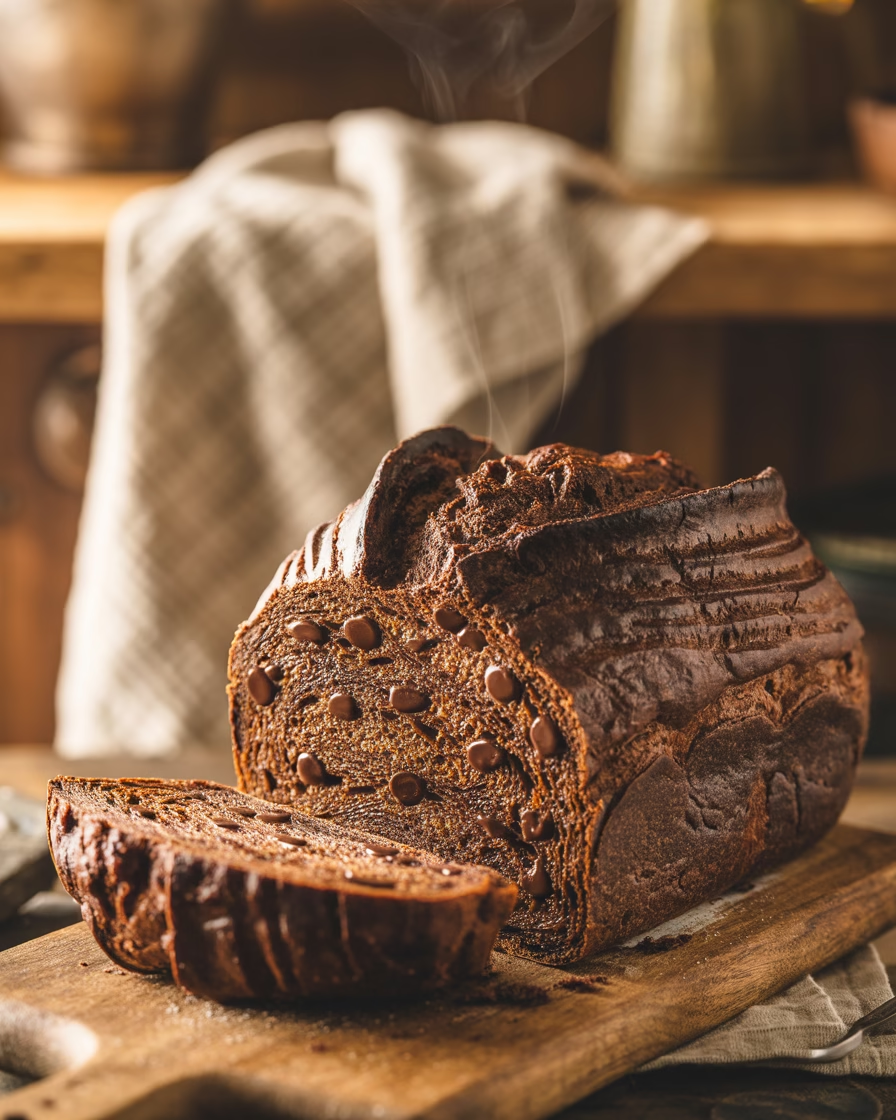
Okay, so you’ve been maintaining that sourdough starter like it’s your pet (because let’s be real, it kind of is), and now you want to do something a little wild with it. Enter: sourdough chocolate bread. This isn’t your grandma’s plain old loaf—it’s basically dessert disguised as bread, and honestly? Nobody’s complaining.
This recipe is everything you didn’t know you needed. Rich cocoa powder, melty chocolate chips, and that signature sourdough tang all come together in one gorgeous loaf. It’s crusty on the outside, soft and chewy on the inside, and dangerously addictive. Fair warning: it probably won’t last more than a day in your house.
Why You Need This Recipe in Your Life
Look, we all love a classic sourdough boule. But sometimes you want something that feels special without being complicated. This chocolate sourdough bread checks all the boxes.
It’s ridiculously easy. No fancy equipment needed beyond what you probably already have. We’re talking stretch and folds instead of aggressive kneading—your forearms will thank you. Plus, it uses the same basic technique as regular sourdough, just with some chocolatey additions.
Double the chocolate means double the fun. Cocoa powder gives you that deep, rich chocolate base while chocolate chips scattered throughout mean every single bite has melty chocolate goodness. Some recipes even throw in vanilla-soaked raisins or nuts for extra texture, but honestly, all-chocolate is perfectly acceptable too.
It’s versatile as heck. Slice it for breakfast with butter and honey, toast it and top with cream cheese and strawberries, or go full indulgence mode with peanut butter. Some people even make French toast with it (genius, IMO).
Understanding the Ingredients
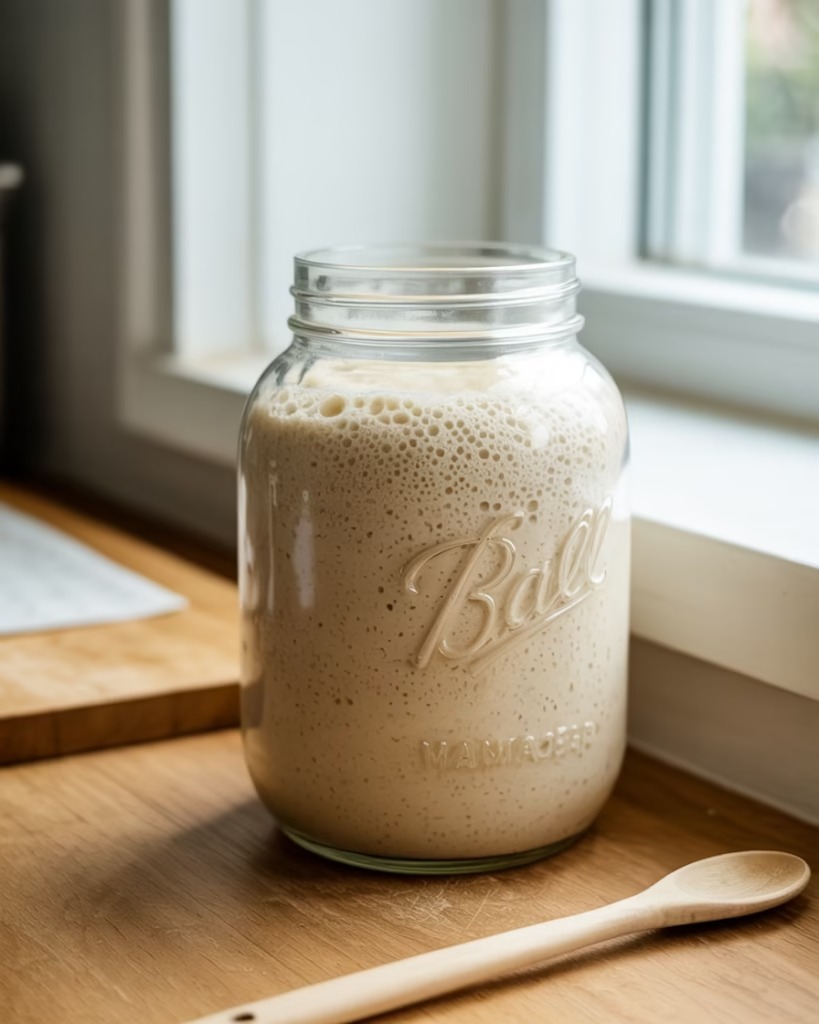
Active sourdough starter is non-negotiable here. You need that bubbly, doubled-in-size starter that smells mildly sour and yeasty. Feed it 4-12 hours before you plan to make your dough so it’s at peak performance.
Flour combo matters. Most recipes use a mix of bread flour, all-purpose flour, and sometimes whole wheat. Bread flour gives you that soft, chewy texture while whole wheat adds depth. If you don’t have all three? Just use what you’ve got—all-purpose works fine.
Cocoa powder is your flavor MVP. Go for natural cocoa powder rather than Dutch-process if you can. It gives better flavor and doesn’t mess with the pH as much. Here’s the thing though—cocoa powder makes the dough stiffer and drier than regular sourdough. Don’t panic when your dough feels like it needs more water; that’s totally normal.
Chocolate chips are where you get creative. Semi-sweet is classic, but dark chocolate works beautifully too. Some bakers even use a mix of regular and white chocolate chips. Pro tip: use actual chocolate chips from a bag rather than chopped chocolate bars—bars have less stabilizer and will melt into the dough instead of staying in distinct chunks.
Sugar adds sweetness without going overboard. Brown sugar is popular because it brings a subtle caramel vibe. Most recipes use around 50 grams, which is enough to make it feel treat-like without being cake.
The Game Plan: Mixing and Fermenting
Here’s where you roll up your sleeves (metaphorically—keep those hands clean, people). Start by mixing your dry ingredients in a large bowl: flour, cocoa powder, and sugar. Keep the salt separate for now.
Add your active starter and warm water, then mix until everything comes together. Let this sit for 30 minutes—this is called autolyse, and it lets the flour fully hydrate. It might look shaggy and rough at this point. That’s fine.
Now sprinkle the salt on top and mix it in with your hands for about 5 minutes. The dough will feel tighter and stiffer than regular sourdough because of the cocoa powder. Resist the urge to dump in extra water right away.
Time for stretch and folds. This is easier than kneading and develops gluten just as well. Grab one edge of the dough, stretch it up, and fold it into the center. Rotate the bowl a quarter turn and repeat—you’ll do this four times total. If the dough is super sticky, wet your hands.
Do three sets of stretch and folds every 15 minutes, then another three sets every 30 minutes. After your first or second set, add in those chocolate chips and work them in gently. Try to keep the chips tucked inside the dough rather than on the surface—this prevents burning during baking.
Bulk Fermentation: The Waiting Game
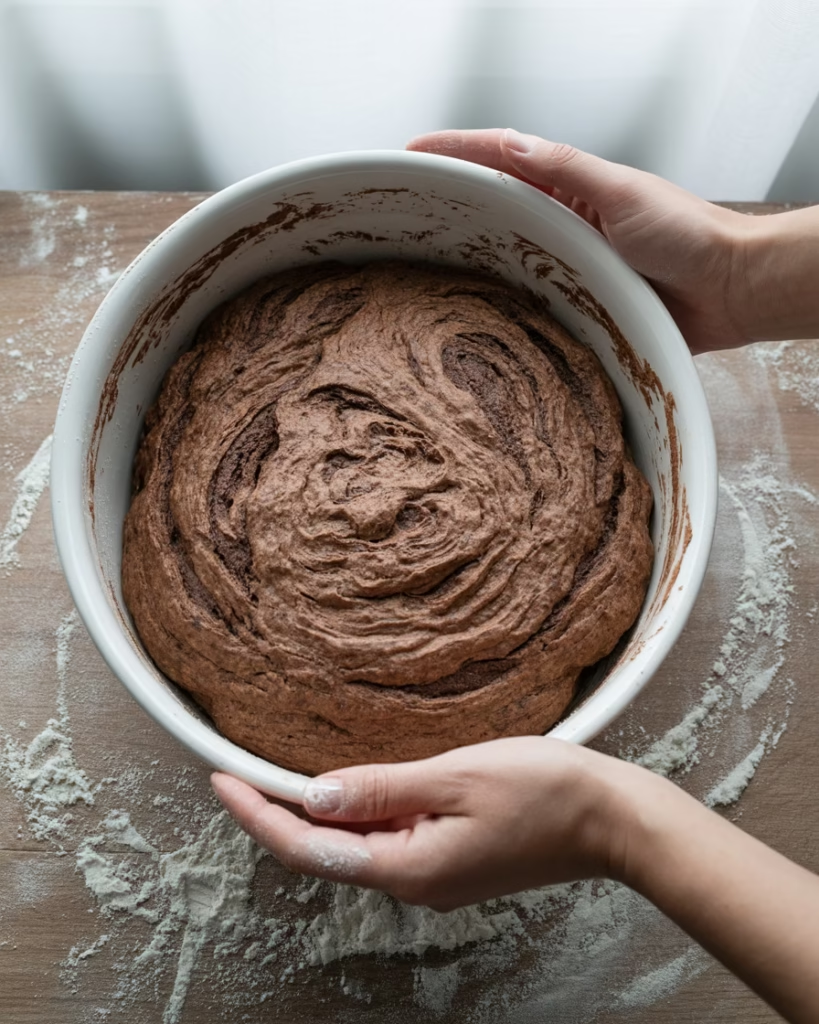
Cover your bowl with a damp towel or plastic wrap (seriously, don’t skip this or you’ll get a nasty dried-out crust) and let it bulk ferment until doubled in size. Timing here is wildly variable. At 75°F, you’re looking at 5-6 hours; at 65°F, more like 10-14 hours.
FYI, chocolate dough takes a bit longer to rise than plain dough. The cocoa powder affects the yeast somewhat, plus all those chocolate chips add weight. Be patient. Your dough is ready when it looks puffy, feels airy, and has clearly increased in volume.
Shaping and Final Proofing
Once bulk fermentation is done, turn your dough onto a lightly floured surface. Don’t punch it down—just let it gently deflate as you shape it. Spin the dough and pull it toward you repeatedly until a ball forms. Let it rest uncovered for 15-20 minutes so a skin develops on the surface.
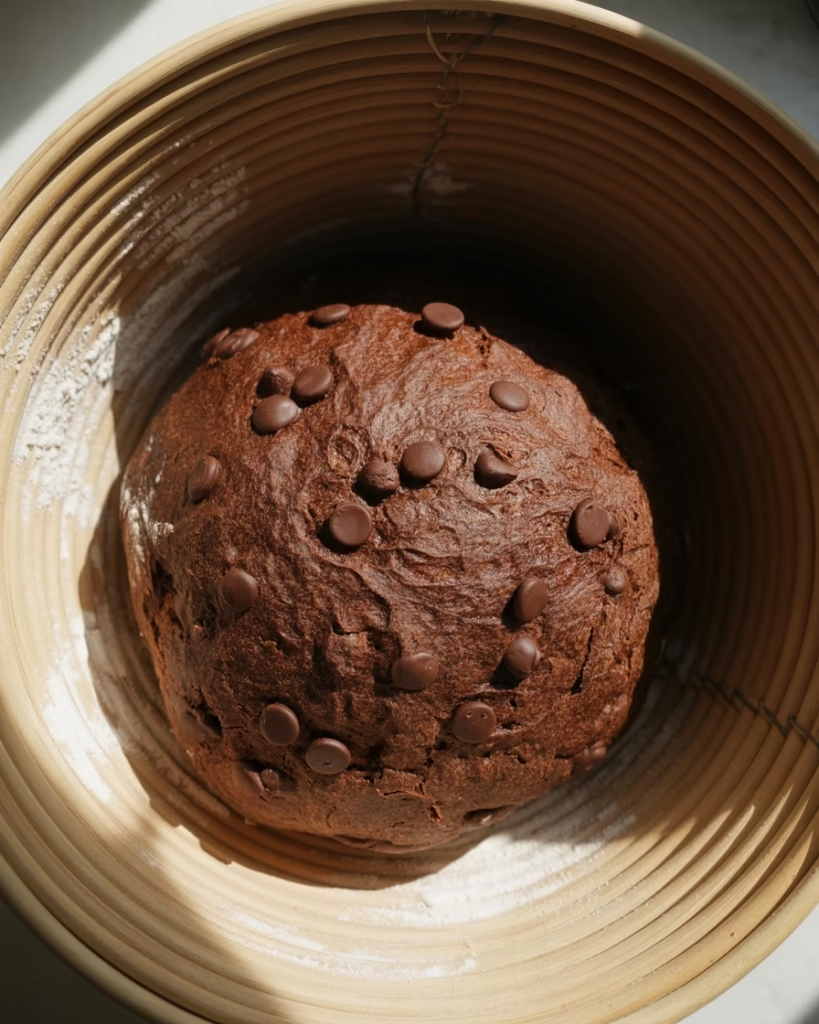
Now for final shaping: fold the dough sides into the center, flip it over seam-side down, and use your hands to cup and rotate it into a tight ball. Place it seam-side up in a floured banneton or a bowl lined with a tea towel.
You’ve got options for the final proof. Go short and bake same-day (1 hour at room temp), or go long and refrigerate overnight for 12-15 hours. Cold proofing makes scoring easier and can improve flavor.
Scoring and Baking Like a Pro
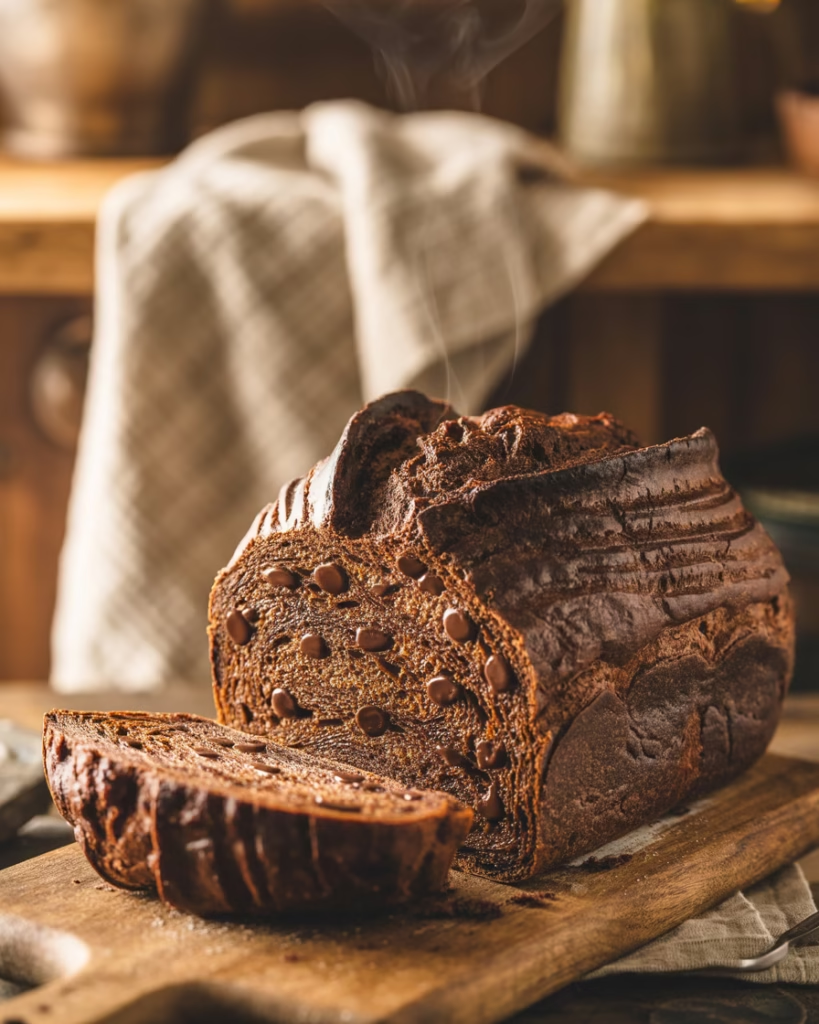
Preheat your oven to 400-450°F with your Dutch oven inside for a full hour. Yes, a full hour—you want that pot screaming hot. When you’re ready, carefully remove your dough from the fridge (if cold-proofing) and dust the top with flour. This makes your score pattern pop visually.
Score your design with a lame or sharp knife. Four shallow cuts at 3, 6, 9, and 12 o’clock work great, or get fancy with whatever pattern you like. Use parchment paper to transfer the dough into your screaming-hot Dutch oven.
Bake covered for 20 minutes, then remove the lid and bake another 20-40 minutes depending on your oven. The internal temperature should hit around 205-210°F when done. Some bakers crack the oven door open during the last 10 minutes for an extra-crispy crust.
Watch out for burning. Chocolate dough can burn more easily than plain dough. If your top is getting too dark, tent it with foil for the last 15 minutes. Also, consider putting a baking sheet on the rack below to prevent the bottom from burning.
Troubleshooting Common Issues
Dough too dry? Remember, chocolate dough is naturally stiffer. But if it’s genuinely crumbly, you can add 20-30 grams more water during mixing. Some bakers even replace part of the water with cooled coffee for extra chocolate flavor :).
Not rising properly? Check your starter—it needs to be super active. Also, chocolate dough takes longer to ferment, so give it more time. If your kitchen is cold, find a warmer spot or extend the bulk fermentation.
Burned crust? Lower your oven temp slightly or reduce baking time. Try 475°F for the first 20 minutes, then 425°F for the remainder. Every oven is different, so take notes and adjust next time.
How to Serve This Beauty
Let the bread cool completely before slicing—I know it’s torture, but cutting too early releases all that steam and makes the interior gummy. Once cooled, the possibilities are endless.
Toast it and slather with butter and honey for breakfast. Spread on some peanut butter or almond butter for protein-packed goodness. Top with cream cheese and fresh strawberries for something fancy. Or go full dessert mode with a scoop of vanilla ice cream on warm slices.
Some people serve it with raspberry jam or orange marmalade, which sounds oddly perfect. And apparently making French toast with leftover slices is absolutely incredible. You can even turn day-old bread into bread pudding.
Creative Variations to Try
Swap the chocolate chips for white chocolate or a mix of both. Add dried cherries or cranberries for a tart contrast. Throw in some chopped walnuts, pecans, or hazelnuts for crunch. A teaspoon of instant espresso powder bumped up the chocolate flavor significantly according to multiple bakers.
Some recipes incorporate cinnamon or other warm spices. Others use vanilla-soaked raisins for extra flavor dimension. You could even make a peanut butter version by swirling in peanut butter during shaping.
If you’re feeling adventurous, use a chocolate sourdough starter (made by feeding your regular starter with cocoa powder) for even more chocolate intensity. Or replace some water with cooled brewed coffee to make the chocolate flavor deeper without adding sweetness.
Final Thoughts
Sourdough chocolate bread is one of those recipes that sounds fancy but is actually super approachable. If you can make regular sourdough, you can absolutely make this. The technique is nearly identical—you’re just adding some cocoa and chocolate to the party.
Don’t stress if your first attempt isn’t perfect. Chocolate dough behaves differently than plain dough, so there’s a slight learning curve. Take notes on what works in your kitchen with your starter and your oven, then adjust accordingly next time.
And honestly? Even an “imperfect” loaf of chocolate sourdough bread is still pretty darn delicious. So grab that active starter, get some good cocoa powder, and bake yourself something that’ll disappear faster than you can say “just one more slice”. Trust me, it’s worth every minute of waiting.

Sourdough Chocolate Bread: Your New Favorite Loaf
Course: Dessert, BreadCuisine: AmericanDifficulty: Easy12
servings30
minutes40
minutes300
kcal1
hour10
minutesBulk Fermentation: 5-6 hours (at 75°F)
Final Proof: 1 hour (room temp) or 12-15 hours (cold proof)
Looking for a delicious way to use your active sourdough starter? This chocolate sourdough bread is packed with deep chocolate flavor from cocoa powder and studded with chocolate chips throughout. It’s easier than you think and tastes better than anything from a bakery.
Ingredients
Main Dough
500 g bread flour (or 250g bread flour + 250g all-purpose flour)
50 g brown sugar
- Optional Add-Ins
1 tsp vanilla extract
1/3 cup chopped walnuts or pecans
Directions
- Autolyse (30 minutes)
In a large bowl, combine warm water, sourdough starter, brown sugar, and cocoa powder. Mix until dissolved.
Add flour and mix until a shaggy dough forms. Don’t worry if it looks rough.
Cover with a damp towel and let rest for 30 minutes. - Mix in Salt (5 minutes)
Sprinkle salt over the dough and mix with wet hands for about 5 minutes until incorporated. The dough will feel stiff due to the cocoa powder. - Stretch and Folds (3 hours)
Perform stretch and folds: grab one edge of the dough, stretch it up, and fold into the center. Rotate the bowl and repeat 4 times total.
Do 3 sets of stretch and folds every 15 minutes (45 minutes total).
After the second set, add chocolate chips and gently work them into the dough.
Do 3 more sets of stretch and folds every 30 minutes (1.5 hours total). - Bulk Fermentation (5-6 hours at 75°F)
Cover the bowl tightly with a damp towel or plastic wrap.
Let the dough rise at room temperature until doubled in size and puffy. This takes 5-6 hours at 75°F, or 10-14 hours at 65°F. - Pre-Shape (15-20 minutes)
Turn the dough onto a lightly floured surface without punching it down.
Shape into a rough ball by spinning and pulling toward you repeatedly.
Let rest uncovered for 15-20 minutes to develop a skin. - Final Shape
Fold the dough sides into the center, flip seam-side down, and cup your hands around it to create tension.
Place seam-side up in a floured banneton or towel-lined bowl.
Final Proof
Option 1: Cover and proof at room temperature for 1 hour, then bake.
Option 2: Cover and refrigerate for 12-15 hours for a cold proof (recommended for easier scoring). - Preheat and Score
Preheat your oven to 450°F with the Dutch oven inside for 1 full hour.
Turn the dough onto parchment paper and dust lightly with flour.
Score with a lame or sharp knife in your desired pattern. - Bake
Carefully transfer the dough (with parchment) into the hot Dutch oven.
Bake covered for 20 minutes.
Remove the lid and bake for another 20-40 minutes until the internal temperature reaches 205-210°F.
If the top browns too quickly, tent with foil for the last 15 minutes. - Cool
Remove from the Dutch oven and let cool completely on a wire rack for at least 1 hour before slicing. Cutting too early will make the interior gummy.
Notes
- Nutrition (Per Slice)
Calories: 245 kcal
Carbohydrates: 42g
Protein: 6g
Fat: 6g
Saturated Fat: 3g
Fiber: 3g
Sugar: 12g
Sodium: 390mg
Nutrition information is approximate and will vary based on exact ingredients used. - Notes & Tips
Dough consistency: Chocolate dough is naturally stiffer and drier than regular sourdough due to the cocoa powder. If it’s genuinely crumbly, add 20-30g more water.
Longer fermentation: Chocolate dough takes longer to rise than plain dough. Be patient and wait for visible volume increase.
Prevent burning: Chocolate bread can burn more easily. Consider lowering the oven to 425°F for the final uncovered baking.
Chocolate chip placement: Keep chocolate chips tucked inside the dough rather than on the surface to prevent burning.
Storage: Store in an airtight container or bag at room temperature for up to 3 days, or freeze slices for up to 3 months. - Serving Suggestions
Toast and spread with butter and honey
Top with peanut butter or almond butter
Serve with cream cheese and fresh strawberries
Make French toast with leftover slices
Warm and serve with vanilla ice cream for dessert