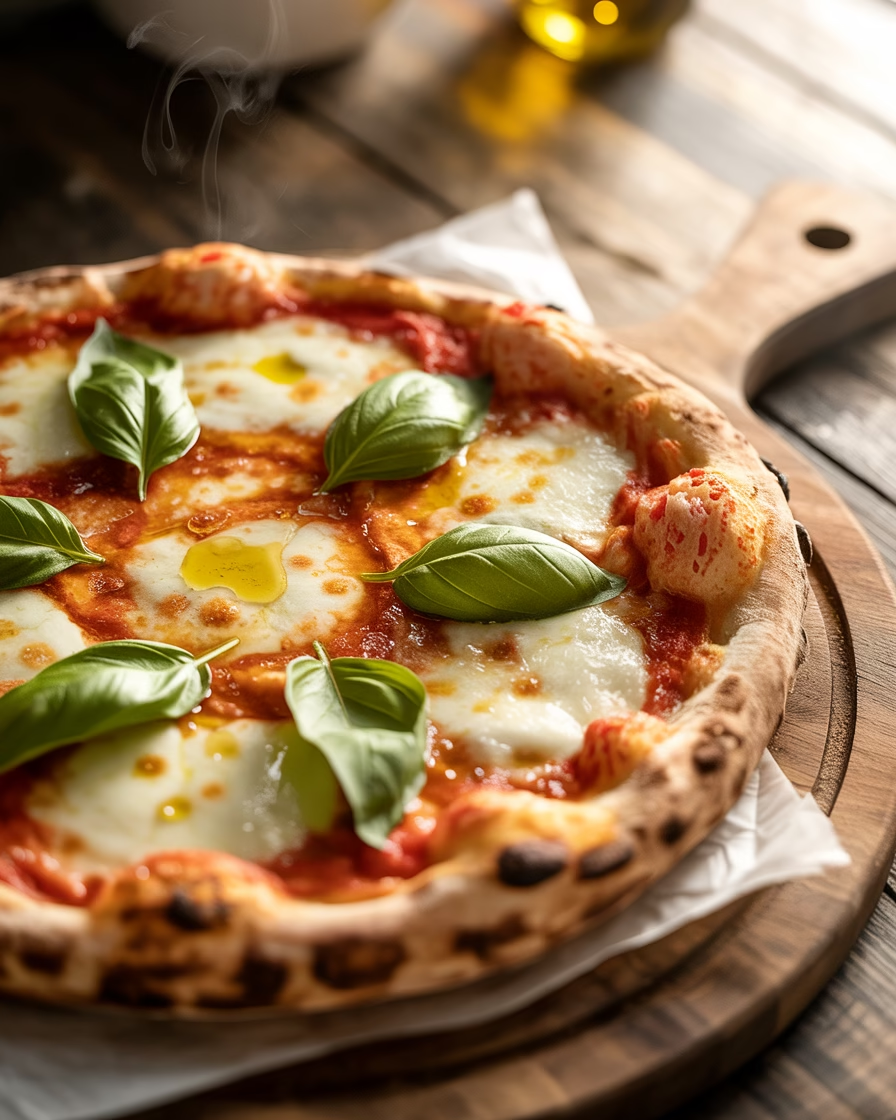
You know that moment when you take your first bite of real Italian pizza and suddenly every other pizza you’ve ever eaten feels like a lie? Yeah, that’s what we’re chasing here. Making authentic Italian pizza at home isn’t some impossible dream—it’s totally doable, and honestly, once you nail it, there’s no going back to the sad, cardboard-y takeout options.
Why Authentic Italian Pizza Hits Different
Here’s the thing: Italian pizza isn’t just about throwing toppings on dough and calling it a day. It’s about respecting the process, using quality ingredients, and having a little patience (I know, patience sucks, but trust me on this one). The real magic happens in that long, slow fermentation that makes the crust ridiculously light, airy, and digestible. Ever wonder why you can demolish an entire Neapolitan pizza and not feel like you swallowed a brick? That’s the fermentation doing its thing, breaking down proteins and starches so your stomach doesn’t have to work overtime.
Traditional Italian pizza is all about simplicity. We’re talking flour, water, salt, and a tiny crumb of yeast—that’s it for the dough. No milk, no butter, no weird additives. The toppings? Fresh mozzarella, San Marzano tomatoes, basil, and a drizzle of olive oil. Less is more, and that’s not just some Instagram caption—it’s legit Italian philosophy.
The Dough: Where Everything Begins
Getting Your Ingredients Right
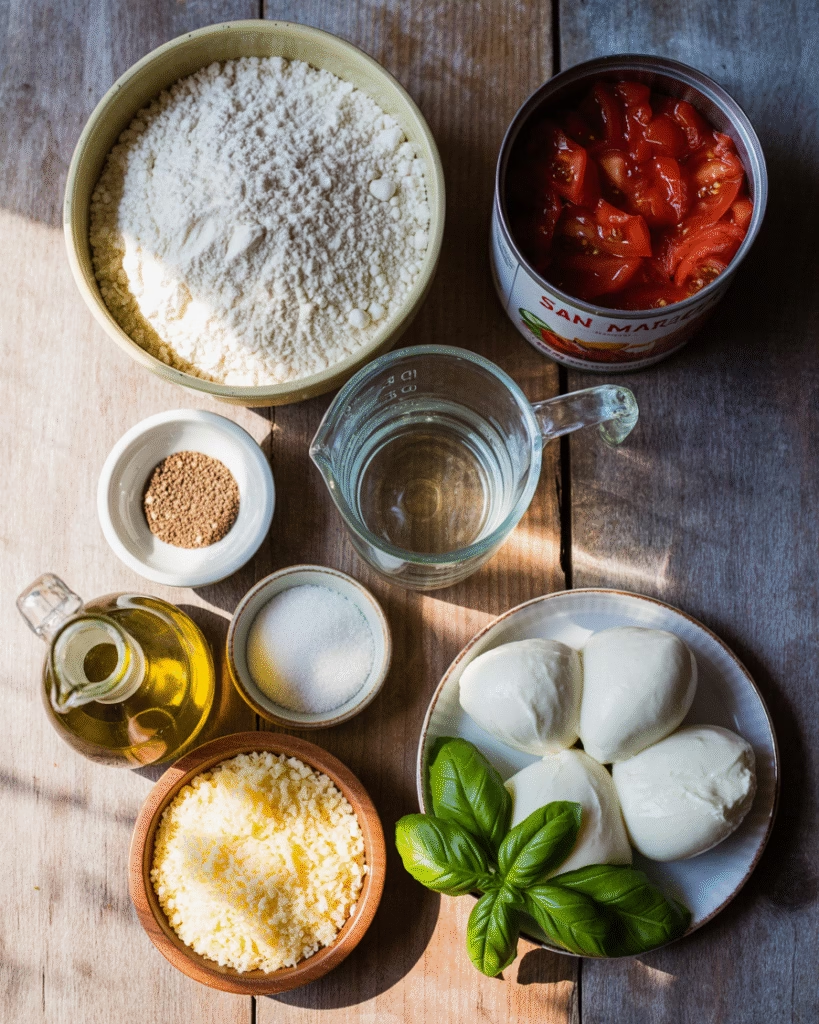
First things first: flour matters. Like, really matters. You want Type 00 flour or Type 0 flour with a W value between 220 and 380. That W value tells you about the flour’s strength and how much water it can absorb. If your flour package doesn’t mention this, look for “00 flour” or “pizza flour” specifically. Using all-purpose flour works in a pinch, but 00 flour gives you that signature chewy-yet-crispy texture.
For the yeast situation, you barely need any. We’re talking 1/4 to 1/3 gram of fresh yeast for a batch that makes 3-4 pizzas. Sound impossible to measure? Grab a digital scale and get creative with dividing up a 1-gram portion. If fresh yeast isn’t your jam (or you can’t find it), dry yeast works perfectly—just reactivate it in lukewarm water with a pinch of sugar first.
The Recipe That Actually Works
Here’s what you need for 4 pizzas :
Dough ingredients:
- 560-570g (about 4⅔ cups) Type 00 flour
- 335-400g (1¾ cups) warm water
- 7g dried yeast (or 1/3g fresh yeast)
- 17g salt (about 1 tablespoon)
- 2 tablespoons extra virgin olive oil
Mix your warm water with the yeast and olive oil, then combine everything in a bowl. Knead that dough for about 10-20 minutes until it’s smooth and elastic. Your arms might hate you temporarily, but it’s worth it. The dough should feel bouncy and spring back when you poke it.
The Waiting Game (AKA Fermentation)
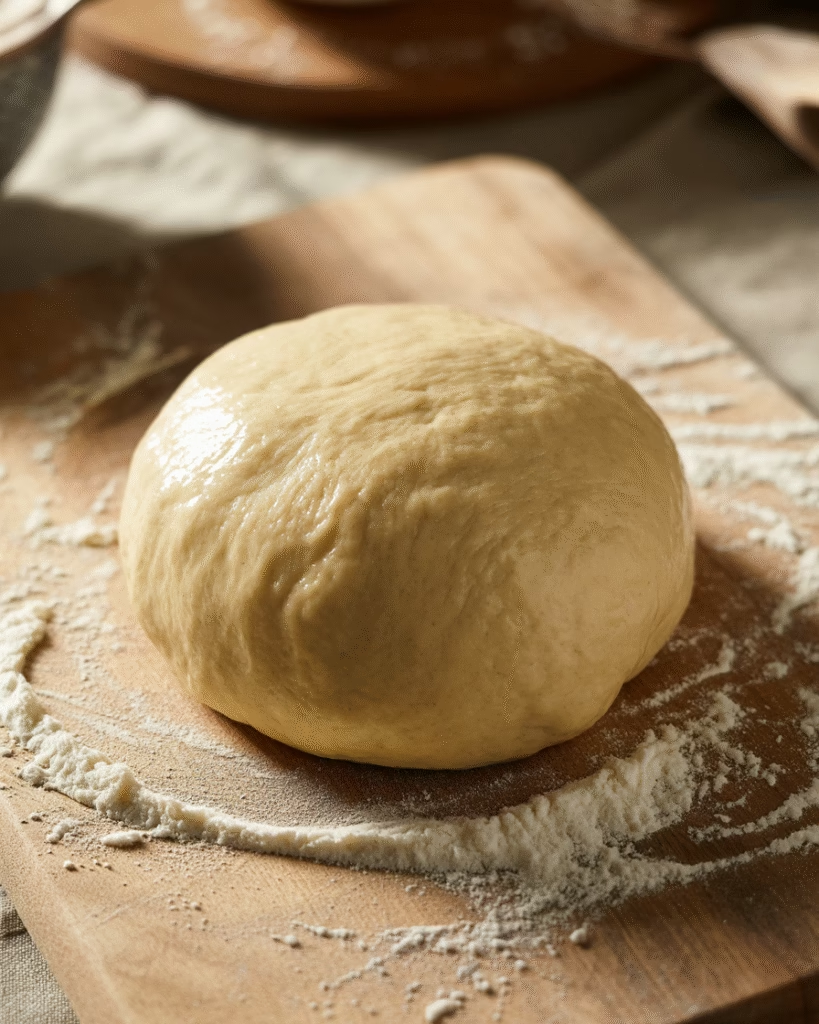
Pop your dough into a lightly oiled bowl, cover it, and let it rise for a few hours until it triples in size. Then divide it into 4 equal balls (about 225g each), place them on a floured baking sheet, cover them, and stick everything in the fridge for 24 hours. I know waiting a full day sounds brutal, but this is where the flavor and digestibility magic happens.
If you absolutely can’t wait 24 hours, let the dough balls rise at room temperature for 2-3 hours minimum. Just know you’re cutting corners on flavor and that perfect airy texture.
The Sauce: Keep It Stupid Simple
Italian pizza sauce is hilariously easy because—plot twist—you don’t even cook it. Grab some quality canned San Marzano tomatoes (crushed or whole, your call), crush them by hand, season with salt, a drizzle of olive oil, and fresh basil. That’s it. Seriously.
If you prefer a cooked sauce, sauté some sliced garlic in olive oil for 3 minutes, add 500g of passata or crushed tomatoes, salt, and basil, then simmer for 15 minutes. Either way, the sauce should taste bright and tomatoey, not overly seasoned or complicated.
Cheese & Toppings: Quality Over Quantity
For authentic Margherita pizza, you need fresh mozzarella—the good stuff that comes packed in water. Drain it well before using so your pizza doesn’t turn into a soggy mess. Some people swear by dry mozzarella for less moisture, which is totally valid.
Other classic toppings include fresh basil leaves (added after baking), a drizzle of extra virgin olive oil, and maybe some grated Parmigiano Reggiano if you’re feeling fancy. Remember: Italians don’t overload their pizzas. You should be able to see the sauce and cheese, not bury everything under a mountain of toppings.
Shaping & Baking: The Final Showdown
Stretching Your Dough
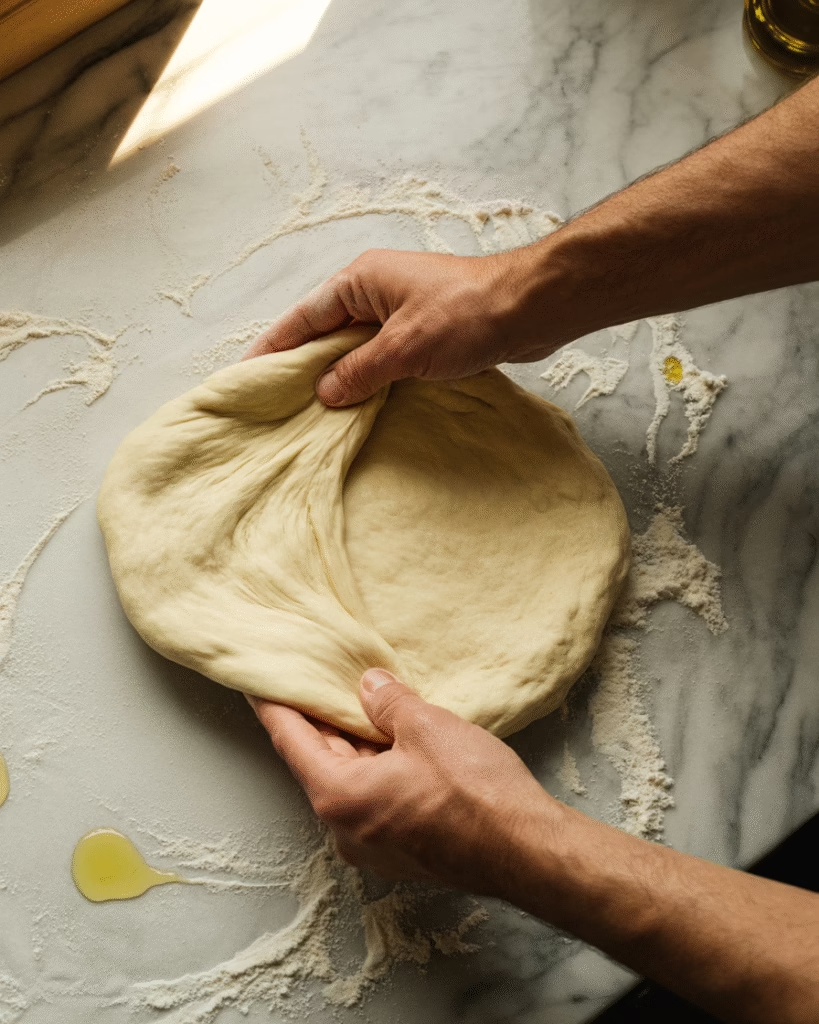
Take your dough ball out of the fridge about 30 minutes before you’re ready to make pizza. Dust your work surface with flour (some people use semolina for extra crispiness), then press your fingers into the center of the dough and gently rotate while stretching outward. Never use a rolling pin—you spent 24 hours creating those air bubbles, don’t murder them now.
Place the dough over the backs of your hands and use your knuckles to gently stretch it to about 12 inches in diameter. The middle should be thin, with a slightly thicker outer crust for those iconic puffy edges.
Getting Your Oven Screaming Hot
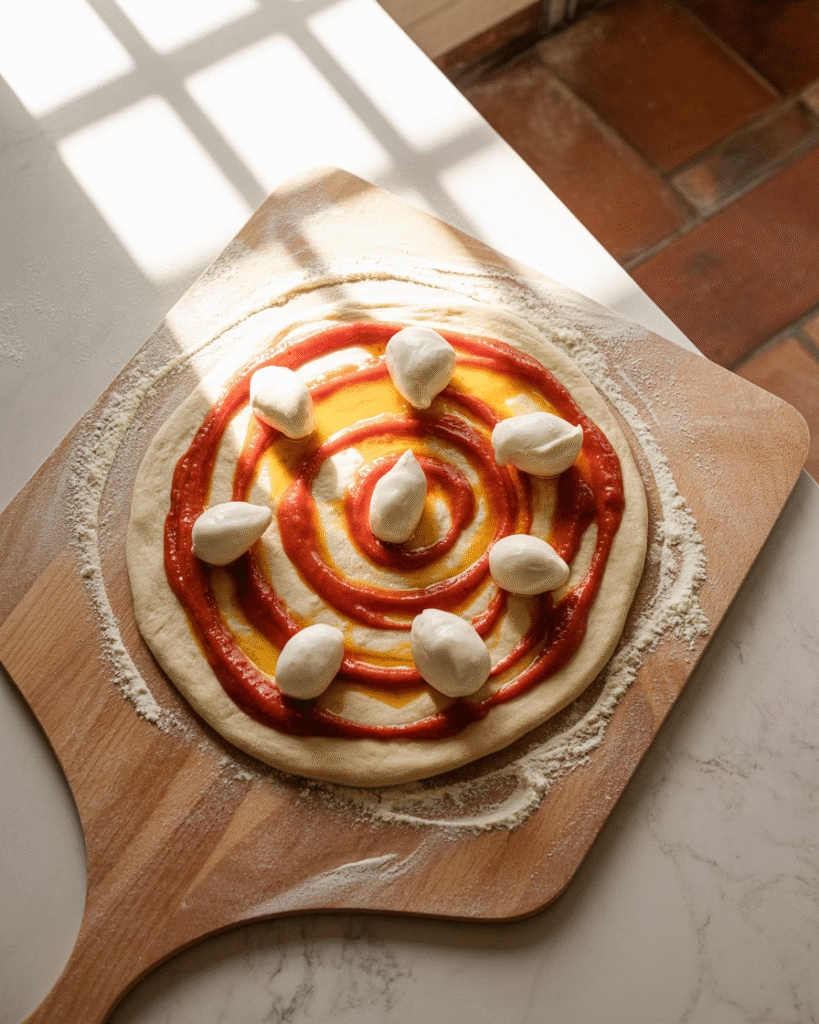
Preheat your oven to its maximum temperature—ideally 250°C (480°F) or higher. If you have a pizza stone or steel, stick it in the oven while preheating for at least 30-40 minutes. This high heat mimics a wood-fired oven and gives you that beautiful char on the crust.
Spread a thin layer of sauce on your stretched dough, leaving the outer edge bare. Add your toppings (except the mozzarella if you’re making Margherita—that comes later). Drizzle with olive oil and brush some on the crust too.
The Baking Process
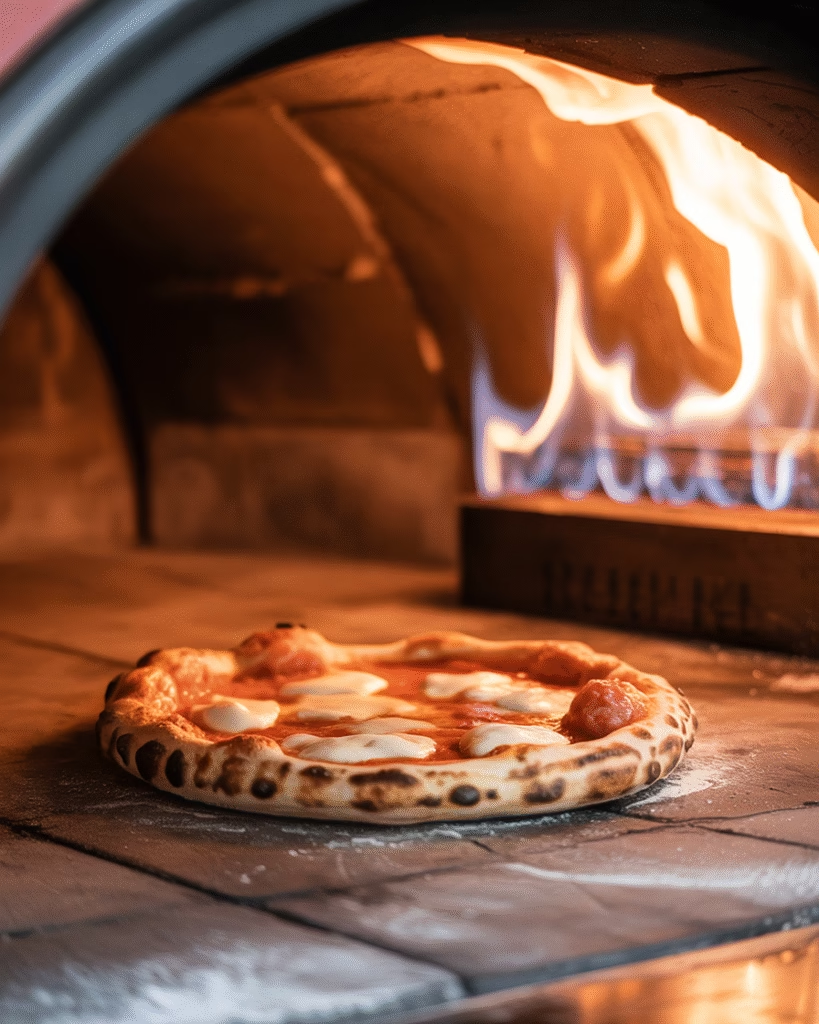
Transfer your pizza to the preheated stone or baking sheet and bake for 4-5 minutes. Then add the mozzarella and bake for another 3-4 minutes until the cheese melts and the crust gets those gorgeous golden-brown spots. Some ovens have a grill mode you can switch to at the end for extra charring.
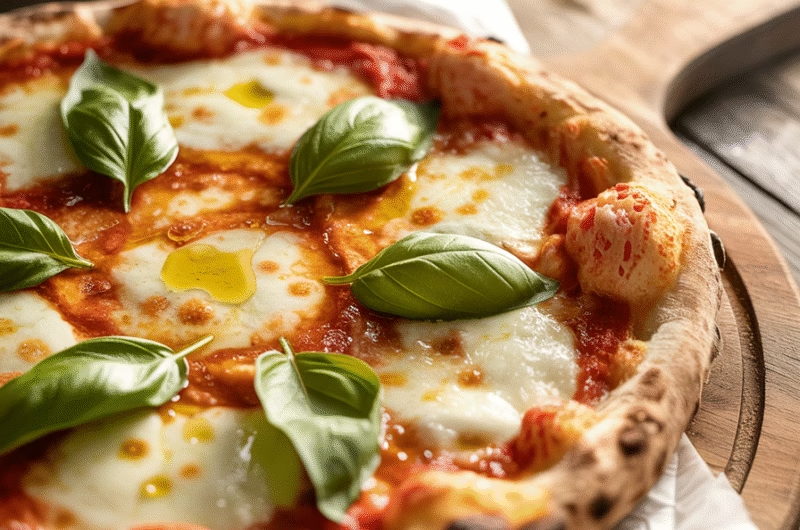
Total baking time should be around 10-15 minutes, but check after 10. When it comes out, tear some fresh basil leaves over the top and maybe add one more drizzle of olive oil.
Pro Tips That Actually Matter
Use a kitchen scale. Eyeballing measurements is for amateurs—precision matters when you’re working with minimal ingredients. FYI, even small variations in hydration can totally change your dough texture.
Don’t skip the cold fermentation. That 24-hour fridge rest develops complex flavors and makes the dough easier to digest. Your gut will thank you later.
Drain your mozzarella. Nobody wants a soggy pizza swimming in dairy water. Pat it dry with paper towels or let it drain in a colander for 30 minutes.
Less is more with toppings. Overloading your pizza is the fastest way to end up with an undercooked, soggy center. If the Italians can make magic with just tomatoes, mozzarella, and basil, so can you.
Preheat everything properly. A cold pizza stone or oven won’t give you that crispy, charred crust you’re after. Give your oven a solid 30-40 minutes to get ripping hot.
Why This Recipe Rocks
Making authentic Italian pizza at home is genuinely one of the most satisfying cooking projects you can tackle. Sure, it requires a bit of planning (mostly just remembering to make dough the day before), but the payoff is massive. You’ll end up with pizza that’s light, flavorful, and actually digestible—no post-pizza food coma required.
The process itself is pretty forgiving once you get the basics down. Dough a little sticky? Add more flour. Crust not browning enough? Crank up the heat. The more you make it, the more you’ll develop a feel for how the dough should look and behave.
And honestly? There’s something deeply satisfying about pulling a homemade pizza out of the oven that rivals anything you’d pay $20+ for at a restaurant. Your kitchen will smell incredible, your friends will be impressed, and you’ll finally understand what real pizza is supposed to taste like. 🙂
Authentic Homemade Italian Pizza Recipe
Course: MainCuisine: ItalianDifficulty: Easy4
servings30
minutes12
minutes285
kcalRising Time: 24 hours (includes cold fermentation)
Light, airy Neapolitan-style pizza with perfectly charred crust, made with simple ingredients and traditional Italian techniques
Ingredients
For the Pizza Dough:
560-570g (4⅔ cups) Type 00 flour or pizza flour
335-400g (1¾ cups) warm water (lukewarm, around 95°F/35°C)
7g (2¼ teaspoons) dried yeast OR 1/3g fresh yeast
17g (1 tablespoon) fine sea salt
2 tablespoons extra virgin olive oil
- For the Sauce:
500g (2 cups) San Marzano tomatoes, crushed by hand or passata
1 teaspoon sea salt
2 tablespoons extra virgin olive oil
4-5 fresh basil leaves
- For the Toppings (per pizza):
75-100g (3-4 oz) fresh mozzarella cheese, drained and torn
4-5 fresh basil leaves
1-2 teaspoons extra virgin olive oil for drizzling
Optional: grated Parmigiano Reggiano
Directions
- Day 1: Make the Dough
Activate the yeast: In a small bowl, combine the warm water with the dried yeast and let it sit for 5 minutes until foamy. If using fresh yeast, dissolve it directly in the water.
Mix the dough: In a large mixing bowl, combine the flour and salt. Create a well in the center and pour in the yeast mixture and olive oil. Mix with a wooden spoon or your hands until a shaggy dough forms.
Knead: Transfer the dough to a lightly floured surface and knead for 10-15 minutes until smooth, elastic, and springs back when poked. The dough should be slightly tacky but not sticky.
First rise: Place the dough in a lightly oiled bowl, turning once to coat. Cover with plastic wrap or a damp towel and let rise at room temperature for 2-3 hours, or until tripled in size.
Divide and shape: Punch down the dough gently to release air bubbles. Divide into 4 equal portions (about 225g each). Shape each portion into a smooth ball by folding the edges underneath.
Cold fermentation: Place the dough balls on a lightly floured baking sheet, spacing them 3-4 inches apart. Cover tightly with plastic wrap and refrigerate for 24 hours. This develops flavor and makes the dough easier to digest. - Day 2: Prepare and Bake
Bring to room temperature: Remove the dough balls from the refrigerator 30-45 minutes before shaping to allow them to relax.
Preheat the oven: Place a pizza stone or steel on the middle rack and preheat your oven to its maximum temperature (ideally 480-500°F/250-260°C) for at least 30-40 minutes.
Make the sauce: In a bowl, combine crushed San Marzano tomatoes with salt, olive oil, and torn basil leaves. Mix well. No cooking required.
Stretch the dough: On a well-floured surface, gently press your fingers into the center of one dough ball, leaving a 1-inch border untouched. Rotate and stretch the dough outward using your knuckles, creating a 10-12 inch circle with a thicker outer edge. Never use a rolling pin.
Assemble the pizza: Transfer the stretched dough to a pizza peel or baking sheet dusted with flour or semolina. Spread 3-4 tablespoons of sauce in a thin layer, leaving the outer crust bare. Drizzle with olive oil.
Bake: Slide the pizza onto the preheated stone/steel and bake for 5-6 minutes.
Add cheese: Remove the pizza briefly, add torn mozzarella pieces, and return to the oven for another 4-5 minutes, until the crust is golden-brown with charred spots and the cheese is melted and bubbling.
Finish: Remove from the oven, top with fresh basil leaves, drizzle with olive oil, and serve immediately.
Notes
- Notes
Flour matters: Type 00 flour gives the most authentic texture, but all-purpose flour works in a pinch.
Hydration: If your dough feels too dry, add water 1 tablespoon at a time. If too sticky, add flour gradually.
Cold fermentation is key: The 24-hour fridge rest develops complex flavors and improves digestibility. Don’t skip it.
Drain your mozzarella: Pat fresh mozzarella dry with paper towels to prevent a soggy pizza.
Less is more: Don’t overload toppings. The beauty of Italian pizza is in its simplicity.
No pizza stone? Use an inverted baking sheet preheated in the oven.
Storage: Dough balls can be frozen after shaping. Thaw in the refrigerator overnight before using. - Nutrition Information (Per Pizza, Dough + Basic Margherita Toppings)
Calories: 285 kcal
Carbohydrates: 48g
Protein: 11g
Fat: 6g
Saturated Fat: 1g
Fiber: 2g
Sugar: 2g
Sodium: 580mg
Calcium: 40mg
Iron: 3mg
Note: Nutritional values are approximate and vary based on specific ingredients and portion sizes used. - Tips for Success
✓ Use a kitchen scale for precise measurements—baking is science
✓ Preheat everything properly—a cold oven won’t give you that crispy, charred crust
✓ Work with one pizza at a time—keep remaining dough balls covered
✓ Don’t rush the fermentation—patience equals better flavor and texture
✓ Watch the oven closely—pizzas bake fast at high heat