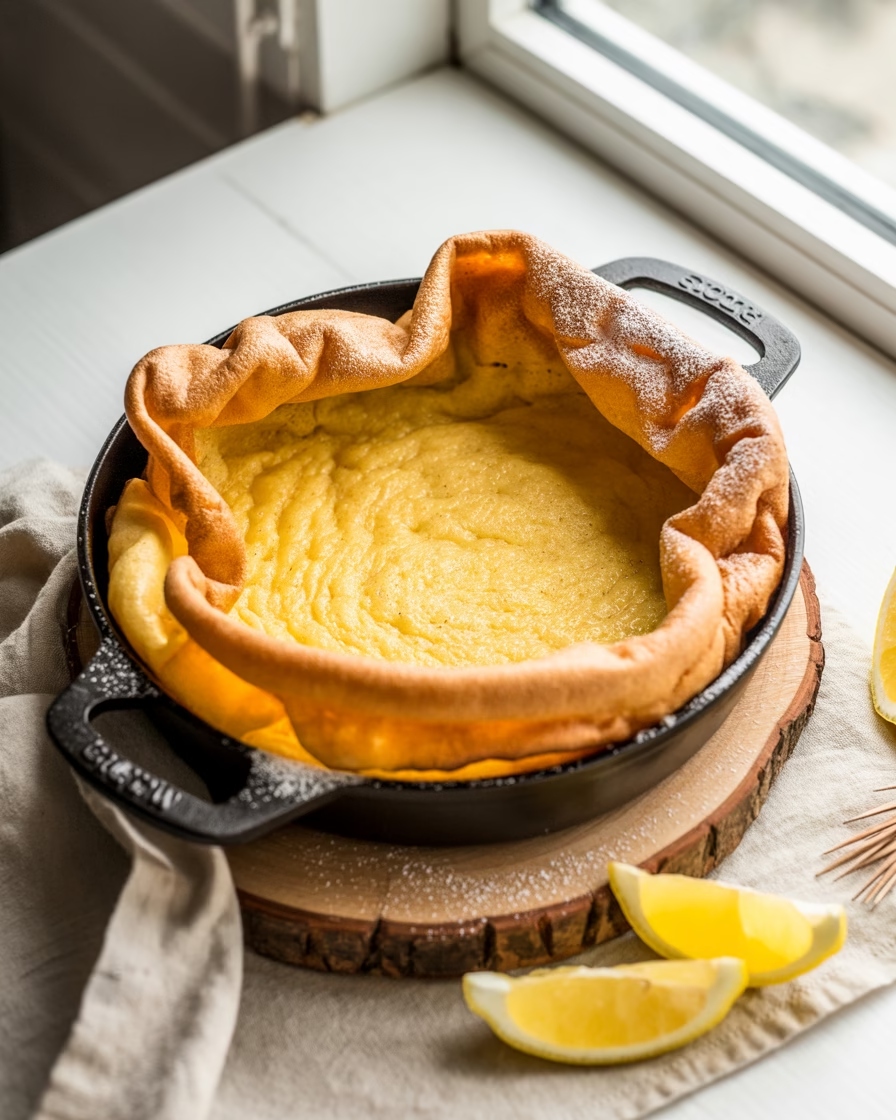
The baked German pancake—also lovingly known as a Dutch baby—is the fluffy, golden, oven-baked marvel that turns a regular morning into a mini celebration. It’s not just a pancake; it’s a showstopper. One minute, it’s a humble batter in a hot pan; the next, it’s risen like a soufflé, edges caramelized, center custardy, and ready to steal the spotlight at your breakfast table. FYI, if you’ve never tried one, you’re missing out—this isn’t your average stack of flapjacks. It’s elegant, simple, and totally worth the hype.
What Exactly Is a Baked German Pancake?
It’s Not What You Think
Ever wondered why it puffs up like it’s auditioning for a Broadway musical? That’s the magic. A baked German pancake is essentially a large, oven-baked pancake made with eggs, milk, flour, and butter—no baking powder, no fuss. It’s poured into a screaming-hot pan, then baked until it rises dramatically, creating those Instagram-worthy peaks and valleys. The name “Dutch baby” is actually a misnomer—it’s American-made, inspired by German Pfannkuchen, but perfected in Seattle diners. So no, you don’t need a lederhosen to make it. Just a blender and about five minutes of prep time.
The Great Pancake Debate: German vs. American
Let’s settle this: American pancakes are fluffy, flat, and griddled. German pancakes? They’re puffy, custardy, and baked. While American pancakes rely on baking powder for lift, German pancakes get their rise from the steam created by the hot pan and the high oven temperature. The result? A pancake that’s crisp on the edges, tender in the middle, and big enough to share—though you might not want to. IMO, it’s the ultimate weekend brunch upgrade. And no, it’s not just a big pancake. It’s a whole vibe.
How to Nail the Perfect Baked German Pancake
The Golden Rules of Success
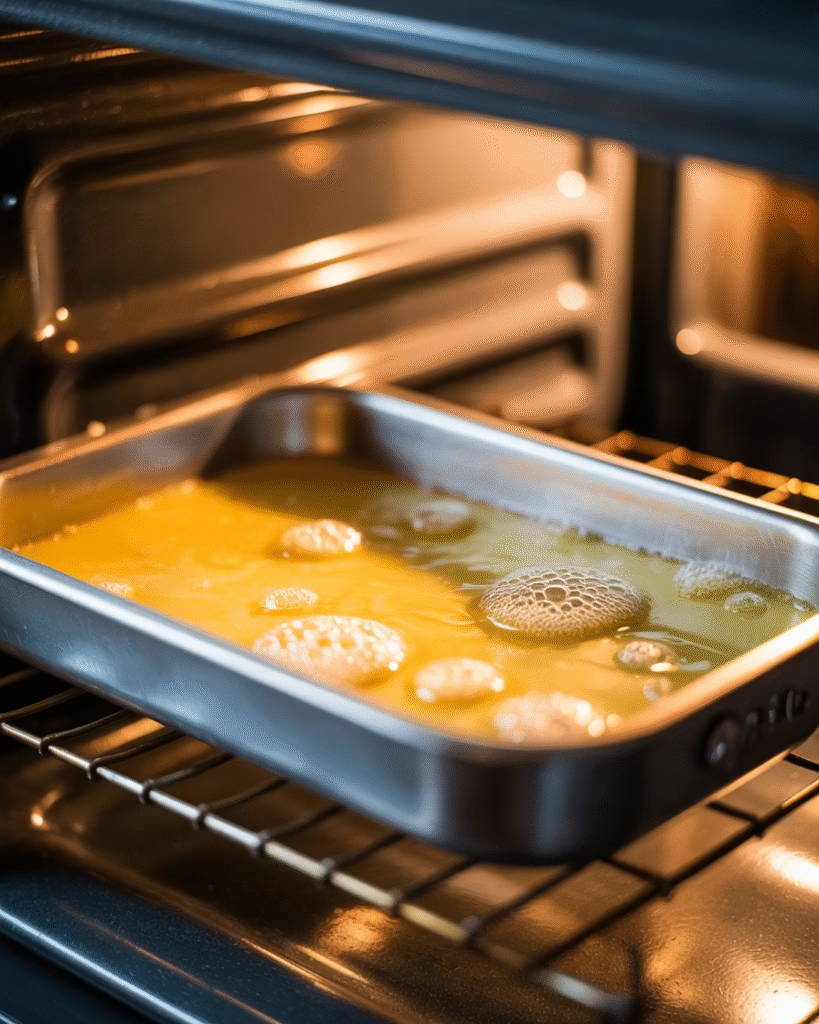
Want that picture-perfect puff? Follow these rules. First, preheat your pan. Seriously. Toss that butter into a 9×13 metal baking dish and let it melt in the oven as it heats to 425°F. Why metal? It conducts heat better than glass, giving you crispier edges and more even browning. Next, blend the batter until smooth. Eggs, milk, flour, salt, and a splash of vanilla—blend for 20 seconds and you’re done. No lumps, no whisking, no stress. Finally, pour it in hot and bake fast. The batter hits the hot butter, sizzles, then rises like it’s defying gravity. Bake for 22–27 minutes, no peeking. Opening the oven door too soon is like yelling “Boo!” during meditation—it ruins the moment.
Why the Pan Matters
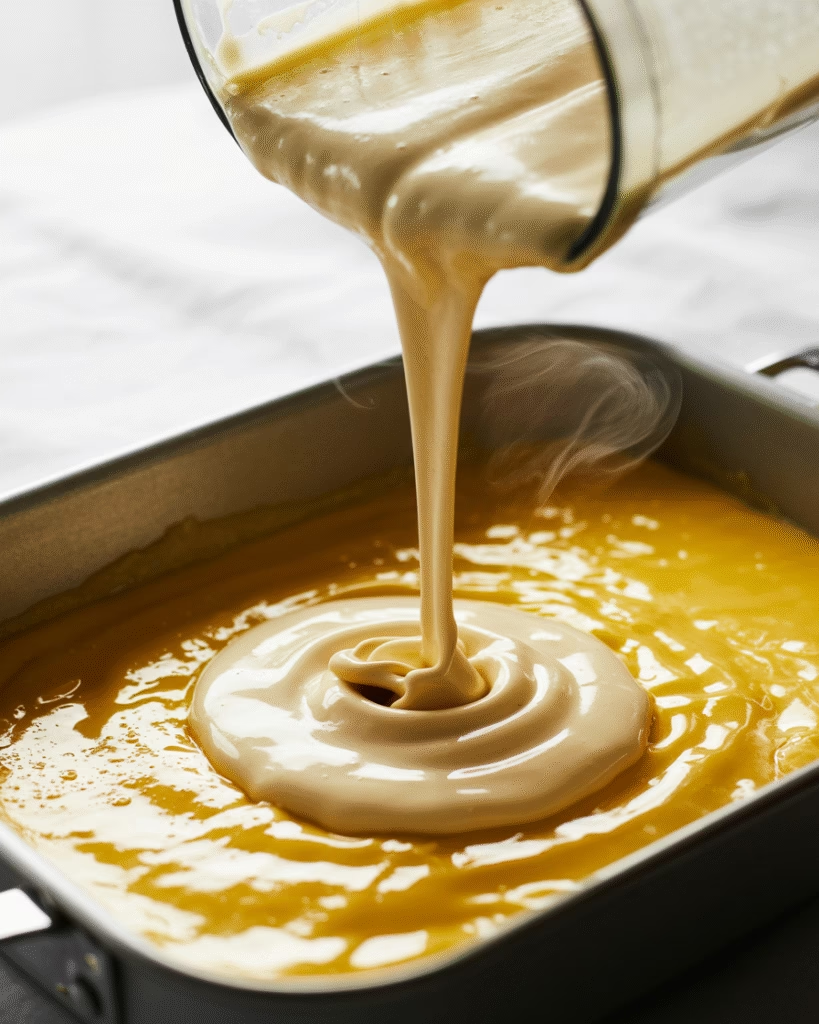
You could use glass, but metal is king. A preheated metal or cast-iron pan ensures the batter starts cooking the second it hits the surface, which is crucial for that signature rise. One user even asked, “Why metal?”—and the answer is simple: better heat distribution, better browning, better texture. Glass works in a pinch, but it won’t give you that dramatic puff. And if you’re feeling fancy, a cast-iron skillet adds a rustic charm and holds heat like a dream. Just don’t skip the butter bath—it’s not just for flavor; it’s the secret to that crispy, caramelized edge everyone fights over.
The Batter: Simplicity at Its Best
Six Ingredients, Zero Drama
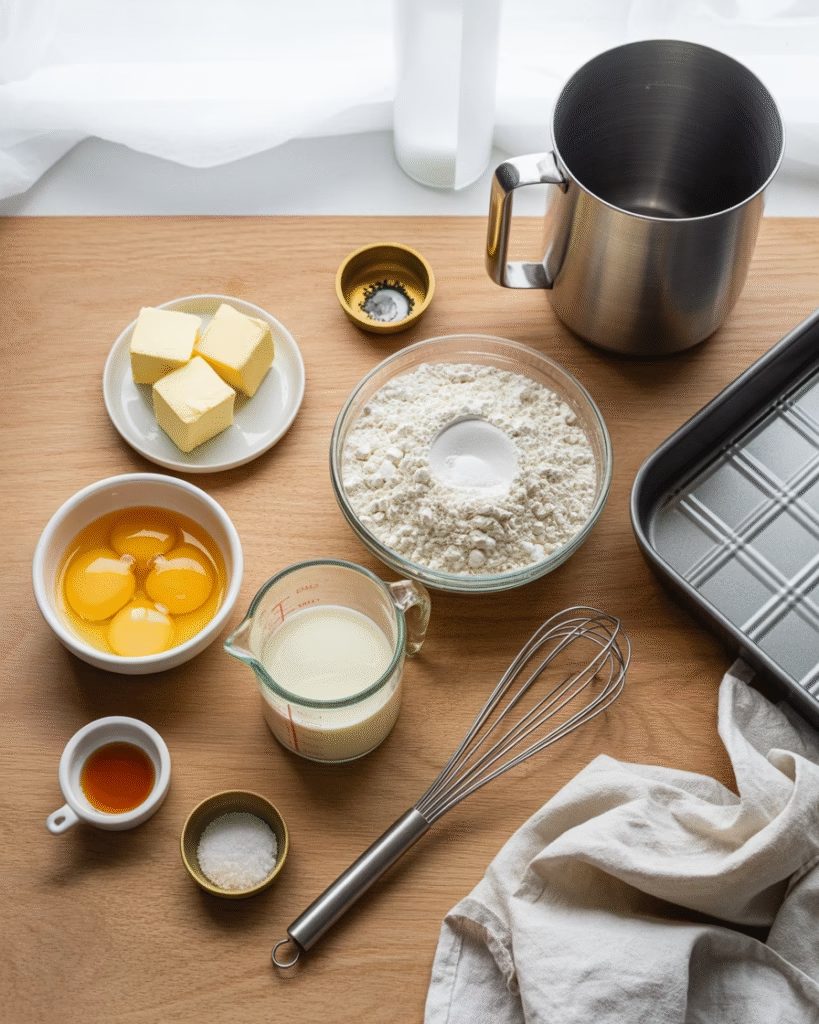
Here’s the beauty: you probably already have everything in your pantry. Six ingredients. That’s it. Eggs (6 large), milk (1 cup), flour (1 cup), salt (a dash), vanilla (1 tsp), and butter (5 tbsp). Blend, pour, bake. Done. No need for buttermilk, no need for sugar—the natural sweetness comes from the caramelization during baking. And if you’re dairy-free? Almond milk works, though it might not puff as much. Gluten-free? Swap in a 1:1 flour blend. The batter is incredibly forgiving, so feel free to experiment. But hey, don’t add baking powder—this isn’t a cake. The lift comes from physics, not chemistry.
Texture Goals: Puffy, Not Pancake-Like
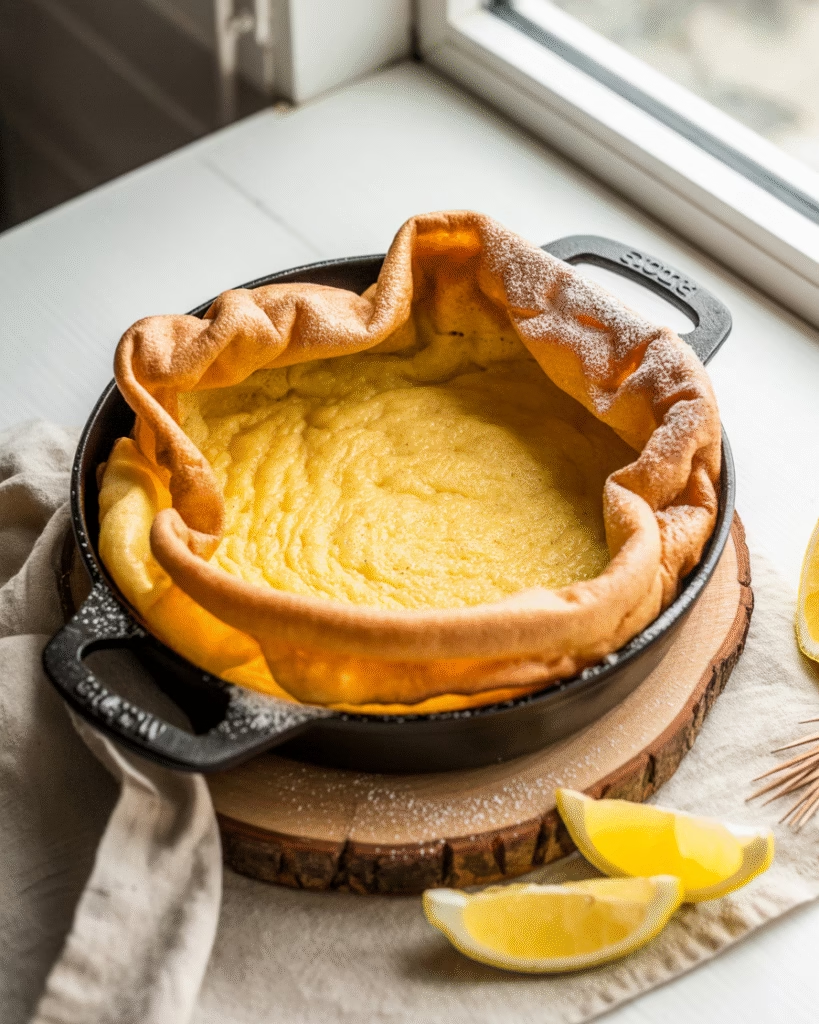
Let’s be real: it’s not a pancake. It’s more like a cross between a popover and a custard. The edges get golden and crisp, almost like a crepe, while the center stays soft and slightly jiggly—like a cheesecake’s cooler cousin. When it comes out of the oven, it’ll look like a mountain. Then, within minutes, it’ll deflate like a tired soufflé. Don’t panic. That’s supposed to happen. The drama is part of the charm. Serve it immediately, dusted with powdered sugar and a squeeze of lemon. Add maple syrup, fresh berries, or even a dollop of whipped cream. Or go wild with sautéed apples and brown sugar. The sky’s the limit.
Toppings That Take It to the Next Level
Sweet or Savory? Why Not Both?
This pancake is a blank canvas. Sweet? Go classic with powdered sugar and lemon. Or try cinnamon sugar and fresh peaches—it’s like summer on a plate. For a decadent twist, make a butter syrup—just melt butter, sugar, buttermilk, and baking soda in a saucepan, stir, and pour. It thickens slightly and adds a caramel-like richness that’s borderline addictive. Savory fans, don’t tune out. Swap the vanilla for herbs, add cheese, or top with a fried egg. It’s just as at home at dinner as it is at brunch. And yes, “brinner” is a valid life choice.
Pro Topping Tips
Here’s a hot tip: don’t overdo it. The pancake is rich, eggy, and delicate. A heavy hand with syrup can drown it. Start light, taste, then add more. And if you’re serving guests? Let them top their own. Everyone’s a critic when it comes to breakfast. One thing’s for sure: leftovers are rare. It’s best fresh, warm, and straight from the oven. Freezing? Technically possible, but it’s like freezing a sunset—it just won’t be the same.
Why This Recipe Deserves a Spot in Your Rotation
Easy, Impressive, and Kid-Approved
Let’s face it: most “fancy” breakfasts are a pain. Not this. It’s as easy as scrambled eggs, but it looks like you spent hours. Kids love watching it rise—it’s like breakfast theater. And cleanup? One bowl (well, one blender), one pan. Done. It’s the kind of recipe that makes you feel like a rockstar with zero effort. Plus, it’s naturally gluten-free adaptable, dairy-sub friendly, and endlessly customizable. Whether you’re feeding a crowd or treating yourself, it delivers. So next time you’re bored of toast, skip the cereal, and make this. Your taste buds will thank you. 😊
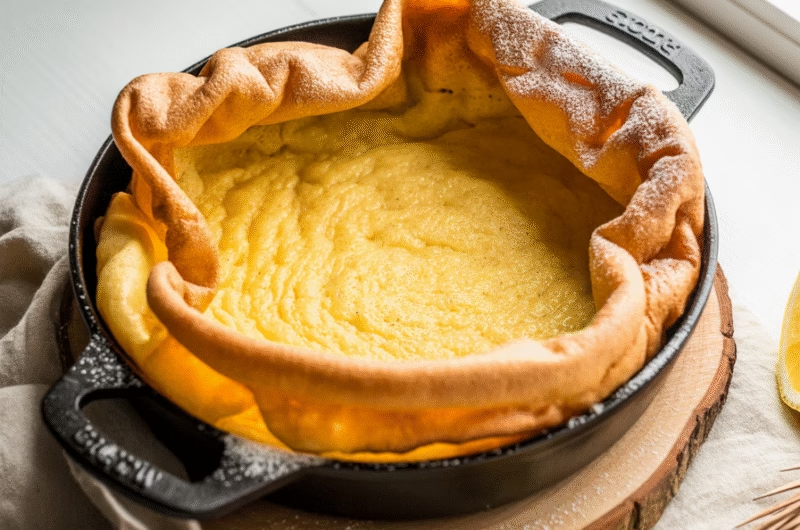
Baked German Pancake (Dutch Baby): Big Puff, Crisp Edges, Custardy Center
Course: Breakfast, BrunchCuisine: American, German InspiredDifficulty: Easy4
servings10
minutes25
minutes300
kcal35
minutesA dramatic, oven-baked German pancake with puffed, golden edges and a custardy center. You blend a simple batter, pour it into a hot buttered 9×13 metal pan, and bake until it rises sky-high. Serve immediately with powdered sugar, lemon, berries, or maple syrup.
Ingredients
5 tablespoons unsalted butter, divided (all goes in the pan)
6 large eggs, room temperature
1 cup whole milk (room temp preferred)
1 cup all-purpose flour (spooned and leveled)
1 teaspoon vanilla extract
1/4 teaspoon fine salt
- Optional toppings
Powdered sugar and lemon wedges
Maple syrup
Fresh berries or sautéed apples
Whipped cream or cinnamon sugar
Directions
- Set the oven to 425°F (220°C). Place the 5 tablespoons butter into a 9×13 metal baking pan and put the pan in the oven as it preheats. The butter should fully melt and sizzle lightly. If it starts to brown too far, pull it out and set aside until the oven finishes preheating.
- Blend the batter
Add eggs, milk, flour, vanilla, and salt to a blender. Blend until completely smooth, about 15–20 seconds. Scrape the sides if needed and blend briefly again. The batter should look silky with tiny bubbles. - Pour into hot butter
When the oven reaches 425°F and the butter is hot and melted, carefully remove the pan using oven mitts. Tilt the pan to coat the bottom evenly with butter.
Immediately pour the batter into the hot pan. You should hear a light sizzle. For more dramatic peaks, pour slightly off-center and give the pan a small swirl. - Bake to puff
Return the pan to the center rack. Bake 22–27 minutes until the edges are deeply puffed and golden-brown and the center is set but custardy. Avoid opening the oven in the first 15–18 minutes to protect the rise. - Serve immediately
The pancake will start to deflate within minutes—that’s normal. Dust with powdered sugar, add a squeeze of lemon, and serve with berries or warm maple syrup. Slice into 4–6 portions and enjoy right away.
Notes
- Notes and tips
Pan choice: Metal conducts heat better than glass, which helps with crisp edges and an impressive rise. Cast iron works too; adjust time if needed.
Room-temp ingredients: Slightly warm milk and room-temp eggs help the batter emulsify and puff more reliably.
Don’t add leavener: The rise comes from steam and hot fat. Baking powder isn’t needed.
No peeking: Opening the door too early can stall the lift.
Make it savory: Omit vanilla, add a pinch of black pepper or chives to the batter, and top with soft-scrambled eggs, herbs, and cheese.
Batch scaling: For a half batch, use an 8–9 inch metal square pan or a 10–12 inch cast-iron skillet; reduce butter to 3 tablespoons and bake 16–22 minutes.
Storage: Best fresh. If needed, refrigerate leftovers up to 2 days and rewarm in a 350°F oven for 5–8 minutes. Freezing isn’t recommended for best texture. - Topping ideas (quick reference)
Classic: Powdered sugar + lemon wedges
Fruity: Macerated berries, stone fruit, or sautéed cinnamon apples
Indulgent: Butter syrup or warm maple syrup + whipped cream
Cozy: Cinnamon sugar sprinkle right after baking
Savory: Herbed crème fraîche, soft-scrambled eggs, arugula, shaved Parmesan - Allergen and substitution guide
Dairy-free: Use a neutral dairy-free butter alternative for the pan and unsweetened almond, oat, or soy milk for the batter. Expect slightly less puff.
Gluten-free: Use a 1:1 gluten-free all-purpose flour blend. Texture may be a touch more tender.
Lower fat: Reduce butter in pan to 3–4 tablespoons; edges will be a bit less crisp.