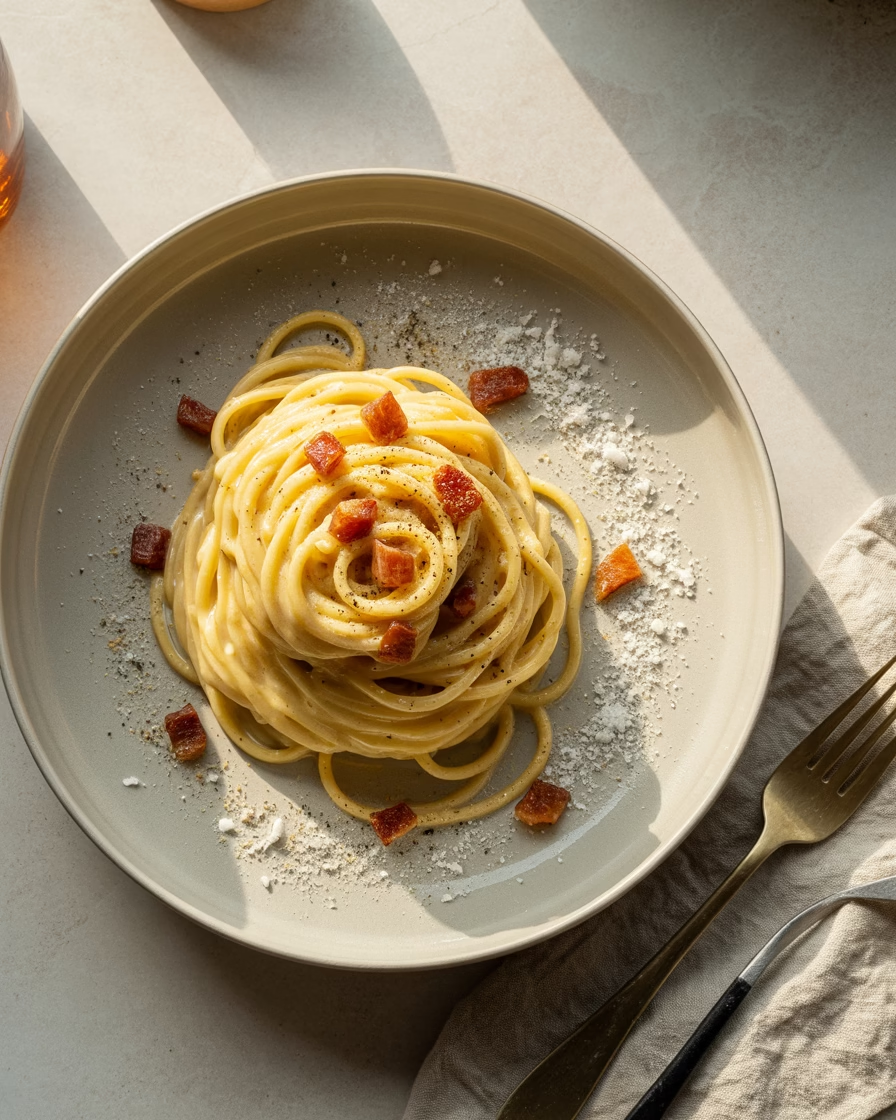
Authentic Spaghetti Carbonara is made with just five core ingredients—pasta, guanciale, Pecorino Romano, eggs, and black pepper—without cream, garlic, or onion, relying on the emulsion of egg, cheese, and starchy pasta water for its creamy texture. The dish originated in Rome after World War II, possibly inspired by American soldiers’ rations, and is best prepared by tempering the egg mixture off direct heat to avoid scrambling.
The Magic of Simplicity
Who knew four or five humble ingredients could create pure magic? That’s the real beauty of authentic spaghetti carbonara—it’s not about fancy techniques or endless shopping lists. It’s about respect: for the ingredients, the process, and the Roman tradition behind it. No cream. No garlic. No onions. And absolutely no apologies. If you’ve ever had a bland, gloopy version drowning in cream, you’re not alone. But here’s the truth: real carbonara doesn’t need cream. The silkiness comes from a perfectly balanced emulsion of eggs, cheese, and starchy pasta water. Crazy, right? But that’s the alchemy we’re chasing.
So, what’s the secret? Technique. Timing. Control. And maybe a little courage when you’re staring down a bowl of raw egg headed for a steaming pan of pasta. Ever wondered if you’re about to make a scrambled egg disaster? I have. More than once. FYI, it happens to the best of us. But trust the process—and your instincts—and you’ll be rewarded with a lusciously creamy, deeply savory dish that feels like a warm hug from a Roman nonna.
The Non-Negotiable Ingredients
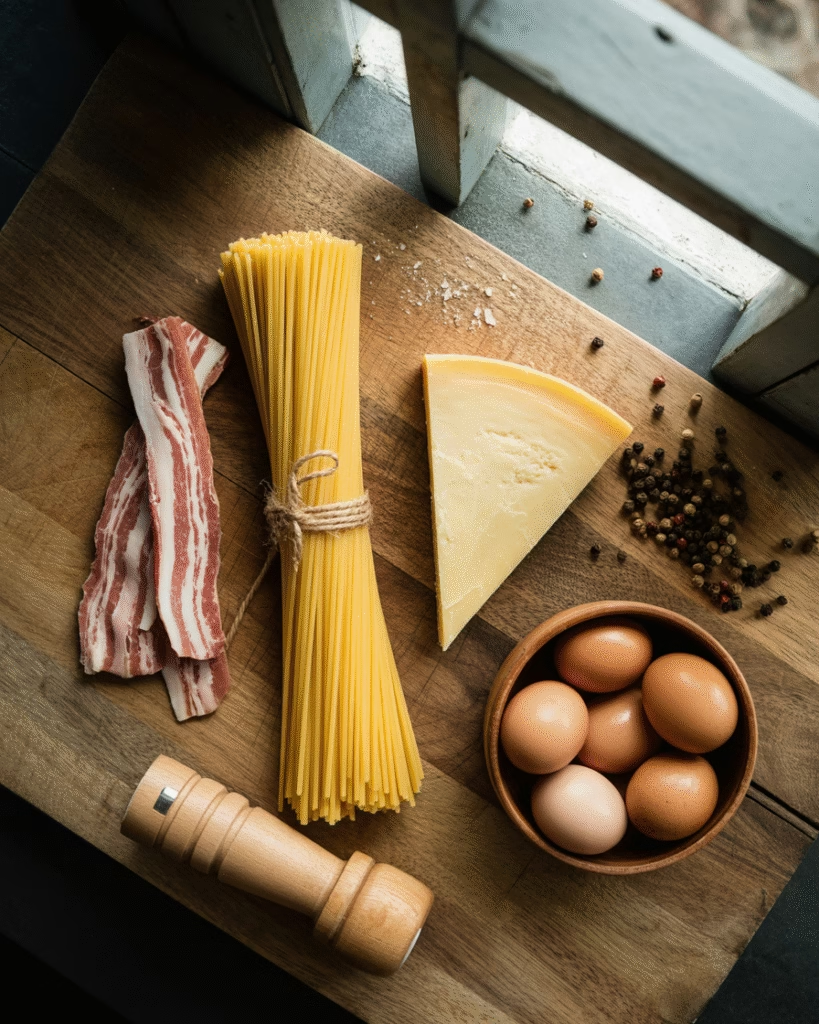
Let’s talk about the holy trinity (well, more like a holy five-pack) of carbonara. Skip one, swap it carelessly, and you’re not making carbonara—you’re making “that pasta I tried once.” And that’s not the vibe.
Guanciale: The Star of the Show
First up: guanciale. This isn’t just fancy bacon. It’s cured pork jowl—rich, fatty, deeply flavorful, and the soul of the dish. You can substitute pancetta in a pinch, but IMO, it’s like comparing a campfire to a roaring hearth. Guanciale renders into a golden, savory fat that becomes the foundation of your sauce. If you see it in a store, buy it. If it costs a little more, so be it. You’re not eating this every day—and when you do, it should be worth it.
Pecorino Romano: Not Just Any Cheese
Forget Parmesan. The cheese here is Pecorino Romano, a sharp, salty sheep’s milk cheese from Lazio (Rome’s region). It melts beautifully, adds umami depth, and brings that authentic tang. Pre-grated cheese? Hard pass. Grate it fresh—it makes a noticeable difference. And no, you don’t need to add salt. The Pecorino and guanciale bring plenty.
Eggs: Whole or Yolks Only?
Here’s where cooks get spicy. Some swear by whole eggs for structure and creaminess. Others use only egg yolks for richness and color. My take? Try both. Whole eggs are more forgiving; yolks are decadent. But if you use whole eggs, make sure your pan isn’t screaming hot when you add them—otherwise, scrambled surprise city.
The Step-by-Step Ritual
Alright, let’s get tactical. This isn’t a “dump and stir” dish. It’s a dance. One step out of place, and the rhythm breaks.
Step 1: Cook the Pasta (But Not All the Way)
Use a big pot of well-salted water—about 10g of salt per liter. Cook your spaghetti until it’s just shy of al dente. Why? Because it’s going to finish cooking in the pan. And don’t forget: save at least a cup of starchy pasta water. This liquid gold is your ticket to creaminess.
Step 2: Crisp the Guanciale
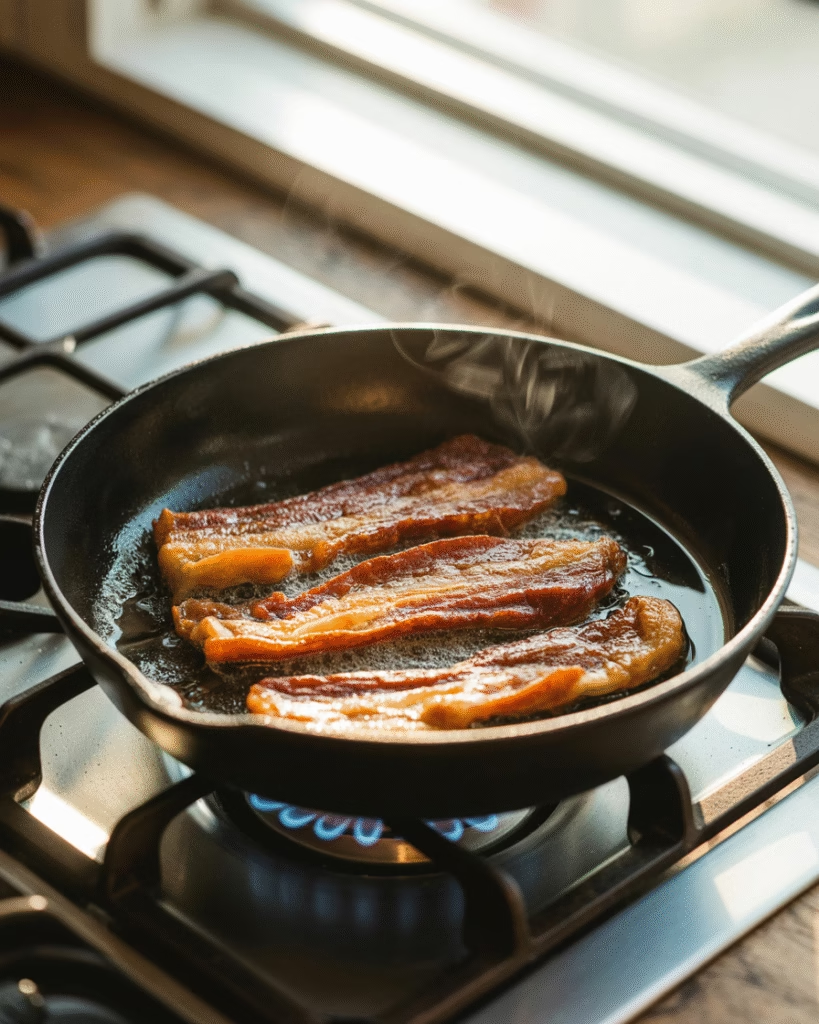
Start with a cold pan. Add sliced guanciale. Let it render slowly over medium heat. You want it golden and crisp, not burnt. Once done, remove the meat but leave that glorious fat behind. Seriously—don’t drain it. That fat is flavor. That fat is life.
Step 3: Make the Egg-Cheese Slurry
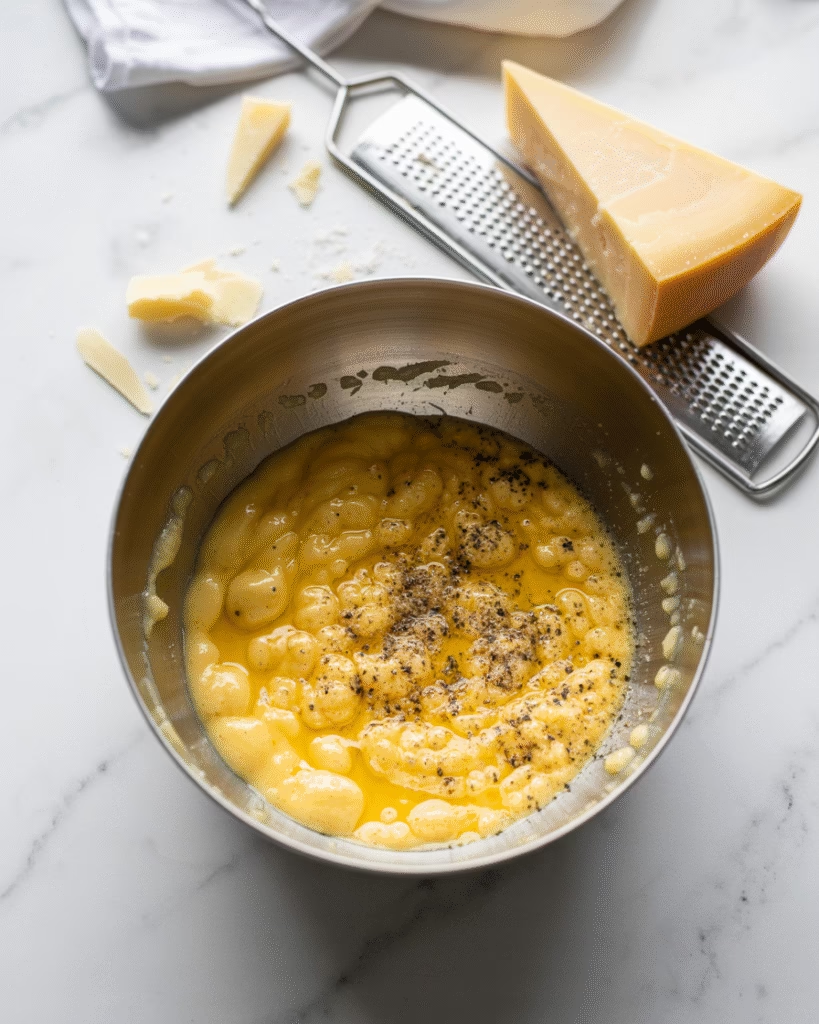
In a bowl, whisk together your eggs, grated Pecorino Romano, and a generous amount of freshly cracked black pepper. This is carbonara, not pepper soup, but don’t be shy. The pepper is a key player, not a background dancer.
Step 4: The Critical Moment
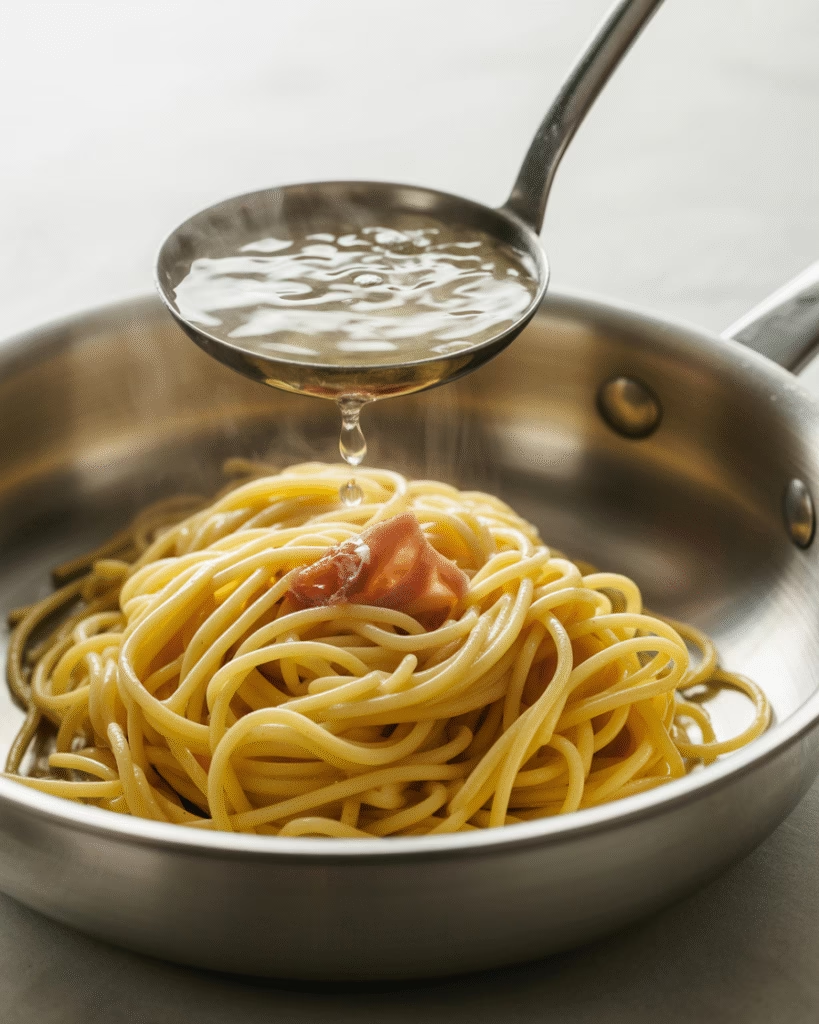
This is it. The point of no return. Add your still-al dente pasta to the pan with the guanciale fat. Toss over medium-high heat until everything is sizzling. Now—turn off the heat. Yes, off. This is crucial. You don’t want to cook the eggs; you want to temper them.
Immediately pour in your egg-cheese mixture. Add a splash of pasta water. Stir. Toss. Keep moving. The residual heat will gently cook the eggs into a silky sauce. If it’s too thick, add more pasta water. Too runny? More cheese. It’s not rocket science—it’s feel.
Step 5: Finish and Serve
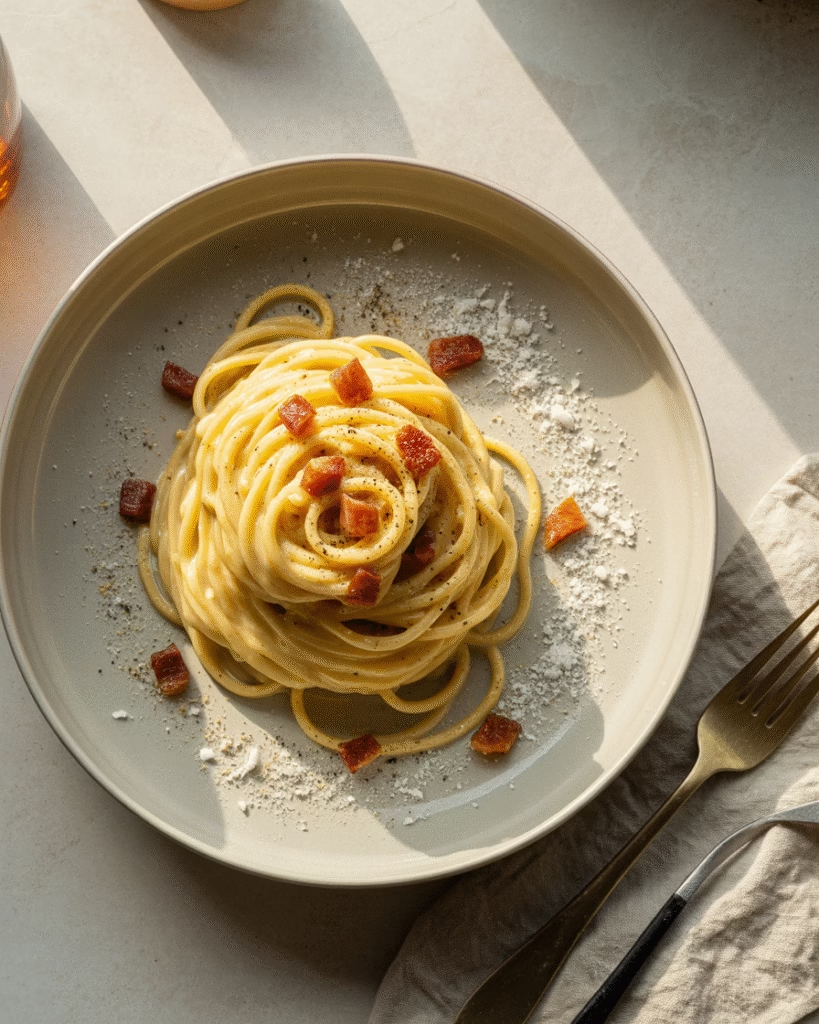
Add the crispy guanciale. Toss gently. Plate immediately. Top with extra Pecorino and a final grind of black pepper. And for the love of all things holy—serve it right away. Carbonara is not a leftovers kind of dish. It waits for no one.
Common Mistakes (And How to Avoid Them)
Let’s be real: carbonara is easy to mess up. Here’s how to not do that.
- Using cream? Nope. That’s not carbonara. That’s rich pasta with guilt. Stick to tradition.
- Adding garlic? Not unless you want to start a food fight in Rome. Authentic carbonara has no garlic.
- Cooking the eggs on high heat? Big mistake. Off the heat, every time. Your eggs will thank you.
- Draining all the fat? Why? That’s flavor! Leave it. Embrace it. Own it.
- Using cold pasta water? Don’t even think about it. The water needs to be hot to help emulsify the sauce.
Final Thoughts
So, why does this dish still take my breath away after all these years? Because it’s proof that less is more. It’s rustic, humble, and deeply satisfying. And when you nail it—when you get that glossy, creamy sauce clinging to every strand of pasta, the crunch of guanciale, the bite of pepper, the tang of Pecorino—it’s not just a meal. It’s a moment. Makes you wonder why we ever complicate things, doesn’t it? 😊
Give it a try. Be bold. And whatever you do—don’t scramble the eggs.
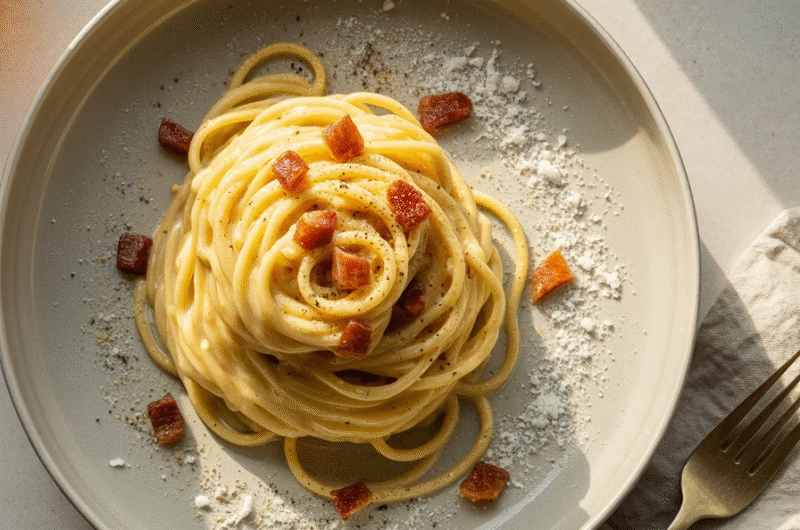
How to Make Perfect Spaghetti Carbonara (Without Screwing Up the Eggs)
Course: MainCuisine: ItalianDifficulty: Easy4
servings10
minutes15
minutes680
kcal25
minutesThis is the real deal—authentic Roman-style spaghetti carbonara, made the way it should be: no cream, no garlic, no shortcuts. Just silky egg-and-cheese sauce clinging to al dente pasta, studded with crispy guanciale and cracked black pepper. It’s rich, rustic, and deeply satisfying. One bite and you’ll understand why simplicity, when done right, is everything.
Ingredients
350 g (12 oz) spaghetti – high-quality bronze-die cut preferred for better sauce adhesion
200 g (7 oz) guanciale – cut into 1/2-inch batons; pancetta may substitute in a pinch
4 large eggs – room temperature, whole (or 2 whole eggs + 4 yolks for extra richness)
100 g (1 cup) Pecorino Romano – finely grated; do not substitute with Parmesan for authenticity
Freshly cracked black pepper – to taste, about 1–2 tsp; it’s a key flavor, not just a garnish
Directions
- Prep the sauce base
In a medium bowl, whisk together the eggs, grated Pecorino Romano, and a generous amount of freshly cracked black pepper. Mix until smooth and creamy—this is your sugo. Set aside near the stove. - Cook the guanciale
Place guanciale in a cold, dry skillet. Turn heat to medium and render slowly, stirring occasionally, until golden and crisp—about 5–7 minutes. Remove pan from heat, transfer guanciale to a plate with a slotted spoon, and leave the fat in the pan. This fat is flavor gold—don’t drain it. - Cook the pasta
Bring a large pot of water to a rolling boil. Add salt (about 10g per liter). Add spaghetti and cook until just shy of al dente—about 1 minute less than package time. Reserve ½ cup of starchy pasta water, then drain. - Emulsify the sauce
Return the skillet with guanciale fat to medium-high heat. Add drained pasta and toss to coat. Remove pan from heat completely—this is critical to avoid scrambled eggs. Immediately pour in the egg-cheese mixture, tossing vigorously with tongs. Add splashes of reserved pasta water (2–3 tbsp at a time) to create a glossy, silky emulsion. The sauce should cling to the pasta, not pool at the bottom. - Finish and serve
Fold in the crispy guanciale. Taste and adjust pepper if needed (no salt—Pecorino is plenty). Plate immediately. Top with extra grated Pecorino Romano and a final grind of black pepper. Serve hot, right away—carbonara waits for no one.
Notes
- Notes
No cream, ever: Authentic carbonara gets its creaminess from emulsified egg, cheese, and pasta water—not dairy.
Avoid scrambling: Removing the pan from heat before adding eggs is non-negotiable. Residual heat is enough.
Guanciale matters: It’s richer and more flavorful than pancetta or bacon. If unavailable, pancetta is the closest substitute.
Timing is everything: Have all ingredients prepped before starting. This dish moves fast—once the pasta’s in, it’s go time. - Nutrition (per serving)
Nutrient
Amount
Calories
~680 kcal
Protein
22 g
Fat
38 g
Saturated Fat
14 g
Carbohydrates
62 g
Fiber
3 g
Sugar
2 g
Sodium
850 mg
Note: Values are estimates based on standard ingredients and may vary slightly.