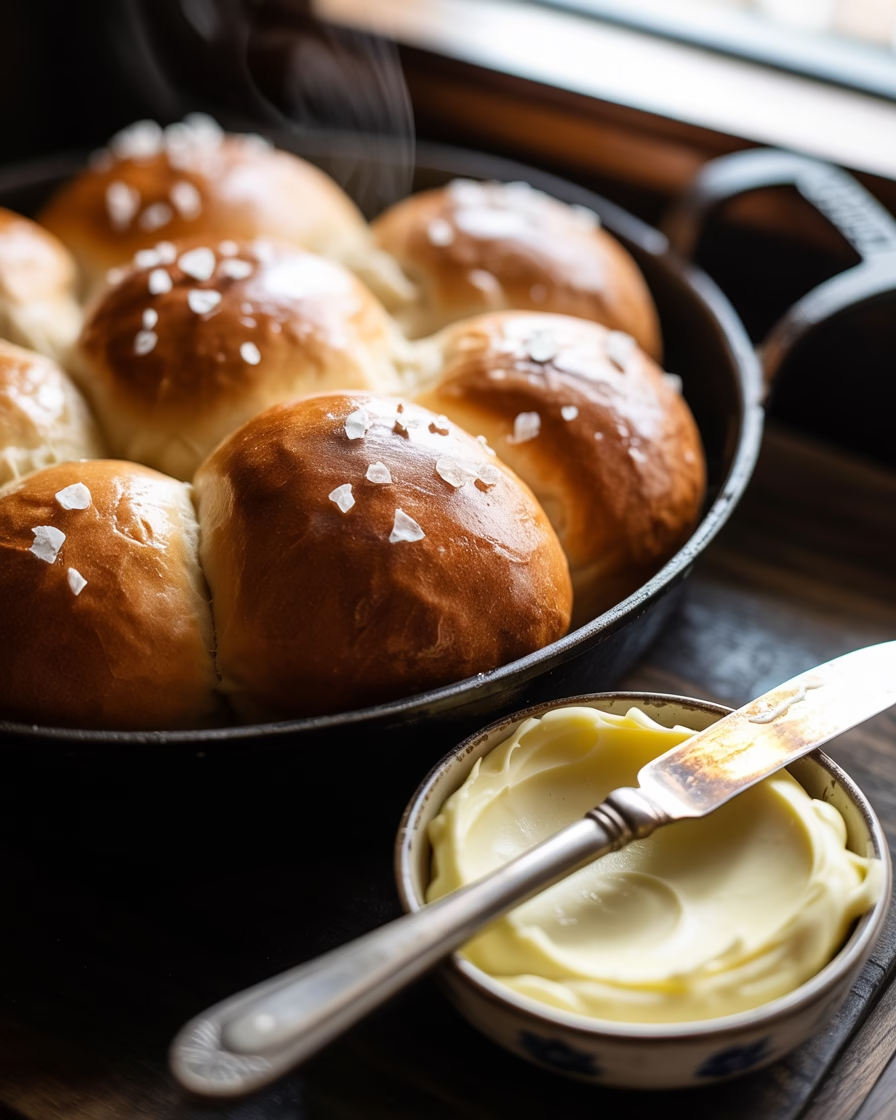
Craving pillowy-soft rolls that practically float off the pan and melt under a swipe of salty honey butter? Same. These Parker House rolls bake up golden, buttery, and layered with that signature fold that tears into feathery strands. Add salted honey butter on top, and boom—your dinner just turned iconic. Ever notice how a great roll basically steals the whole meal?
Why you’ll love these
These rolls hit that sweet spot between cozy and fancy. They look impressive but stay low-drama to make. You get a soft, slightly sweet crumb with a buttery shell, and the fold traps steam for extra fluff. I use salted honey butter for shine and flavor because it adds a sweet-salty pop you taste in every bite. FYI: Parker House rolls come from Boston’s famous Parker House Hotel in the 1870s, and that fold isn’t just for show—it’s the classic hallmark of the style. History aside, they just taste ridiculously good.
What are Parker House rolls?
Parker House rolls are soft, buttery dinner rolls shaped by flattening a dough oval and folding it over itself, which gives that layered look and tender interior. The original rolls became famous at Boston’s Parker House Hotel in the late 19th century, and versions appeared in cookbooks soon after. They’re slightly sweet, ultra-buttery, and bake to a golden, tender finish. Want that bakery-level pull-apart texture at home? This style delivers.
Salted honey butter: the secret flex
Salted honey butter blends softened butter with honey and flaky salt for a spread that’s creamy, lightly sweet, and a little addictive. Some versions add a pinch of vanilla or confectioners’ sugar for extra fluff and sweetness, but I keep it balanced and slatherable so it complements—not overwhelms—the rolls. Ever wondered why honey plays so well with butter? The fat carries flavor while the honey’s floral notes lift the richness. IMO, a pinch of flaky salt on top makes it sing.
Ingredients
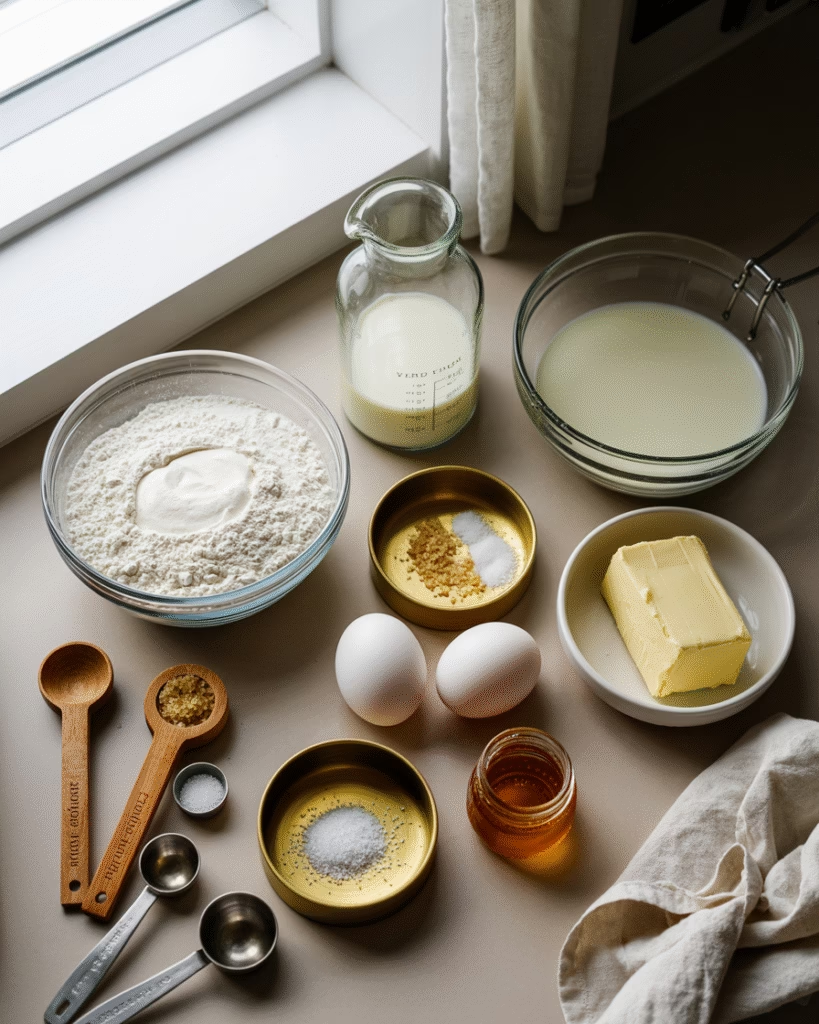
For the Parker House rolls
- Whole milk, warmed to lukewarm (about 100–110°F) for activating yeast and enriching the crumb.
- Instant or active dry yeast to leaven the dough and build that pillowy rise.
- Granulated sugar to feed the yeast and add a gentle sweetness.
- Unsalted butter, melted and softened for both the dough and brushing.
- Eggs to enrich the dough and add tenderness.
- All-purpose flour for a soft crumb and easy handling.
- Fine sea salt to balance sweetness and enhance flavor.
- Flaky salt for finishing, optional but extra magical.
For the salted honey butter
- Unsalted butter, softened until spreadable for an airy whip.
- Honey, high-quality or raw if you can swing it for flavor depth.
- Flaky or coarse sea salt to add crunchy pops of salinity.
- Optional: A tiny splash of vanilla or a tablespoon of confectioners’ sugar for extra creaminess and body.
Equipment you’ll need
- Stand mixer with dough hook or a sturdy bowl and your hands for kneading.
- Rolling pin to shape ovals for the fold.
- 9×13 pan or rimmed sheet pan for baking.
- Instant-read thermometer to confirm doneness at around 190°F internal temp.
Step-by-step: Parker House rolls
1) Make the dough
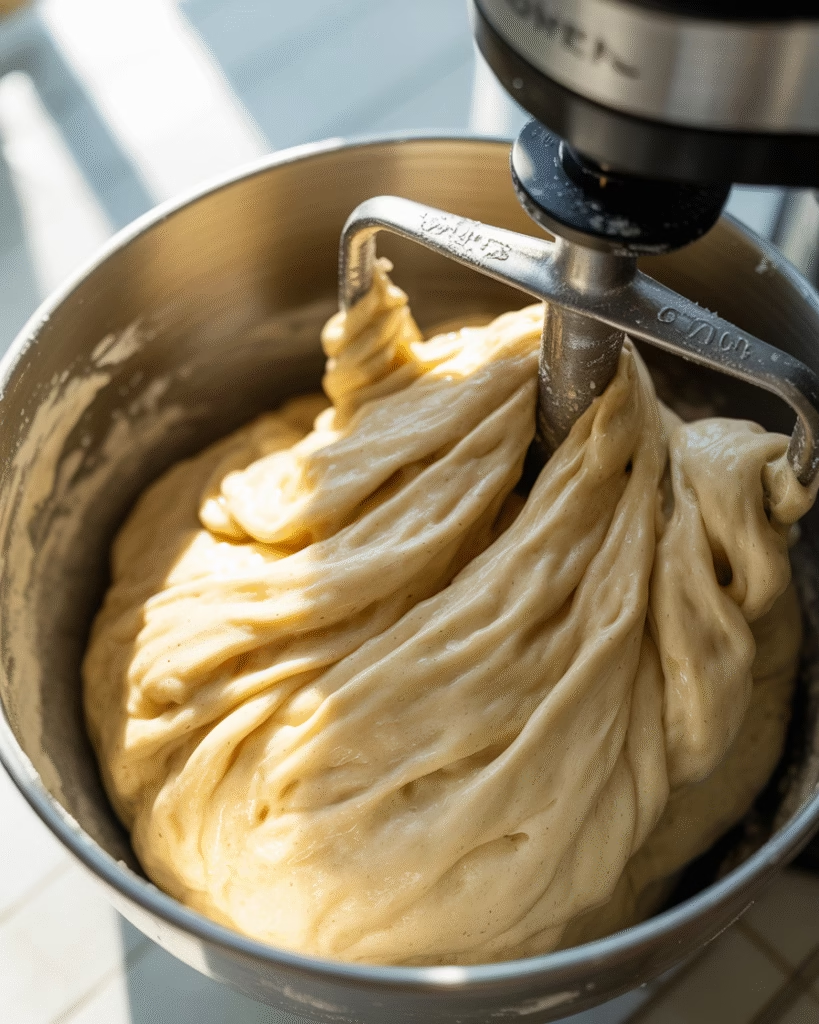
Warm the milk until just lukewarm, then whisk in yeast and a pinch of the sugar if using active dry; let it get foamy, or mix instant yeast directly with flour if using that style. Add melted butter, remaining sugar, egg, salt, and part of the flour, then mix until shaggy. Knead while adding flour until the dough turns smooth, elastic, and slightly tacky, about 8–10 minutes by mixer or 10–12 by hand. The dough should clean the bowl but still feel soft—sticky dough usually bakes softer.
2) First rise
Place the dough in a lightly greased bowl, cover, and let it rise in a warm place until doubled, about 60–90 minutes depending on your kitchen. It should look puffy and spring back slowly when poked—always a good sign you nailed the hydration. Cold kitchens take longer, so don’t rush it.
3) Shape the classic fold
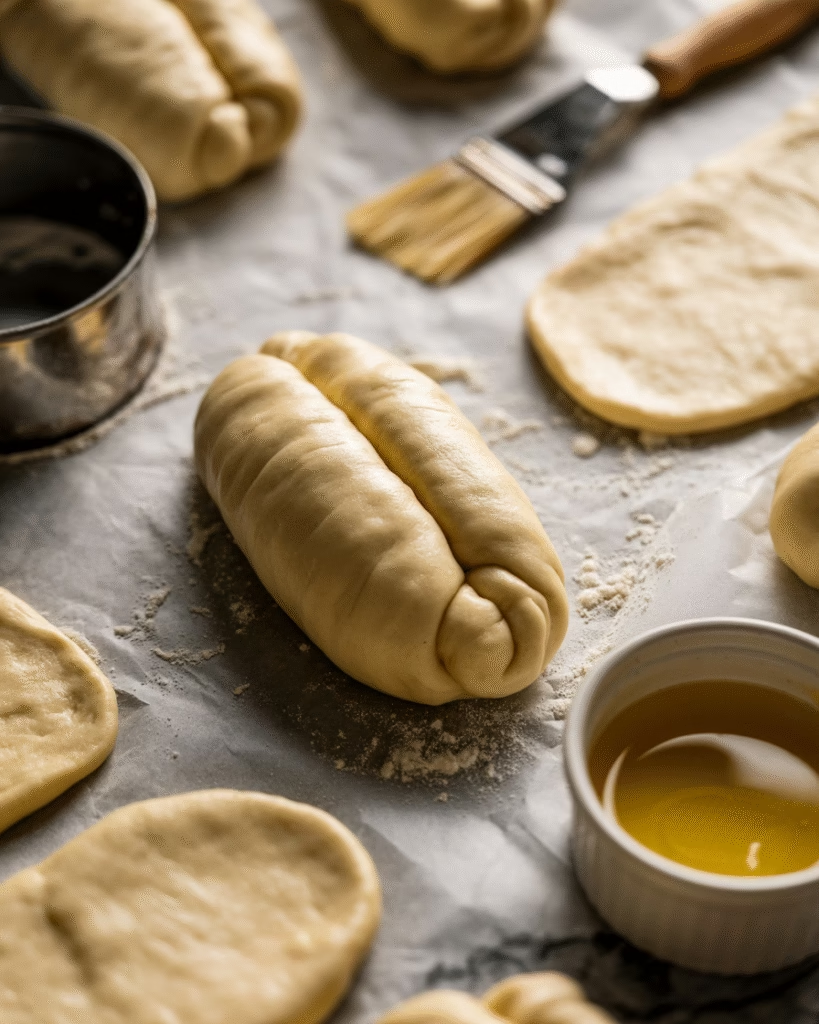
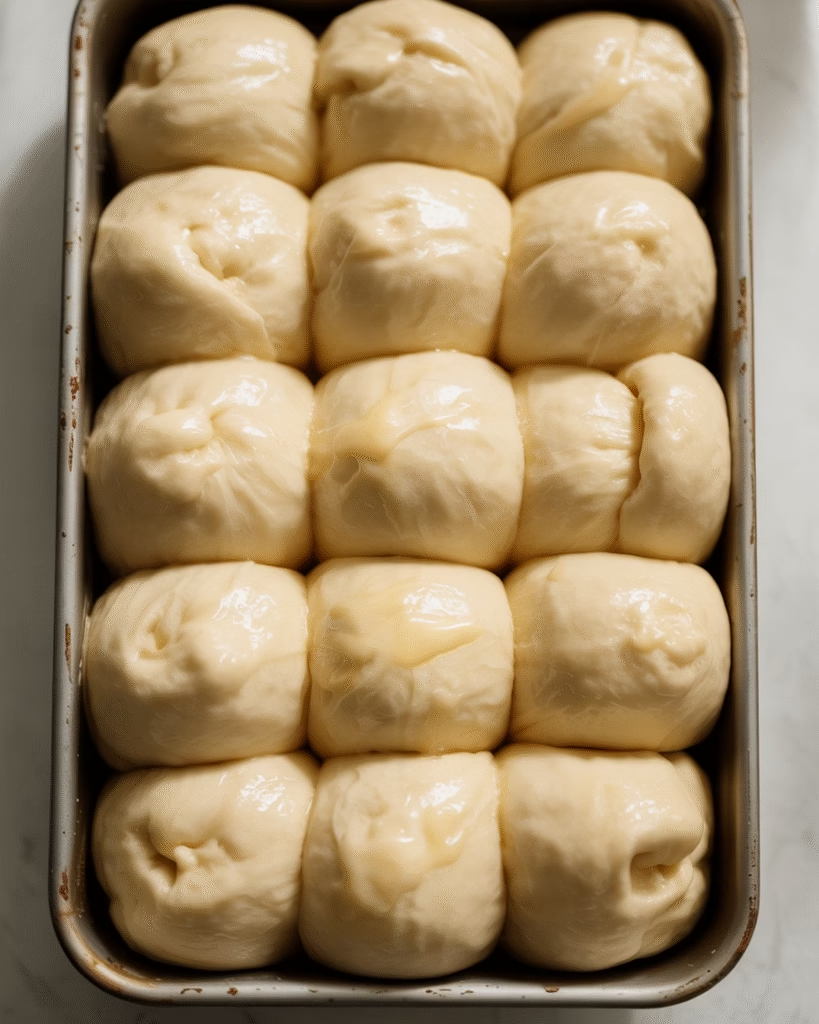
Turn dough onto a lightly floured surface and pat or roll it to about 1/2 inch thick. Cut into ovals or rectangles, then lightly flatten the center of each piece and fold it over itself to create that signature Parker House crease. Place in a buttered 9×13 pan with the folded edge facing down or sideways to help them hold shape as they rise. Do you want snug, pull-apart sides? Nestle them close.
4) Second rise
Cover the pan and let the rolls puff until noticeably larger and light, about 45–60 minutes. When you gently press a roll, the indentation should slowly spring back and not disappear immediately. That’s your cue for the oven.
5) Bake
Brush the tops with melted butter or egg wash for sheen, then bake at 350°F until deep golden and set, generally 20–30 minutes depending on size and pan. Check doneness with an instant-read thermometer: target about 190°F in the center for a soft, fully baked crumb that still stays tender. Pull them out, brush with more butter, and sprinkle flaky salt if you’re feeling fancy.
6) Rest and serve
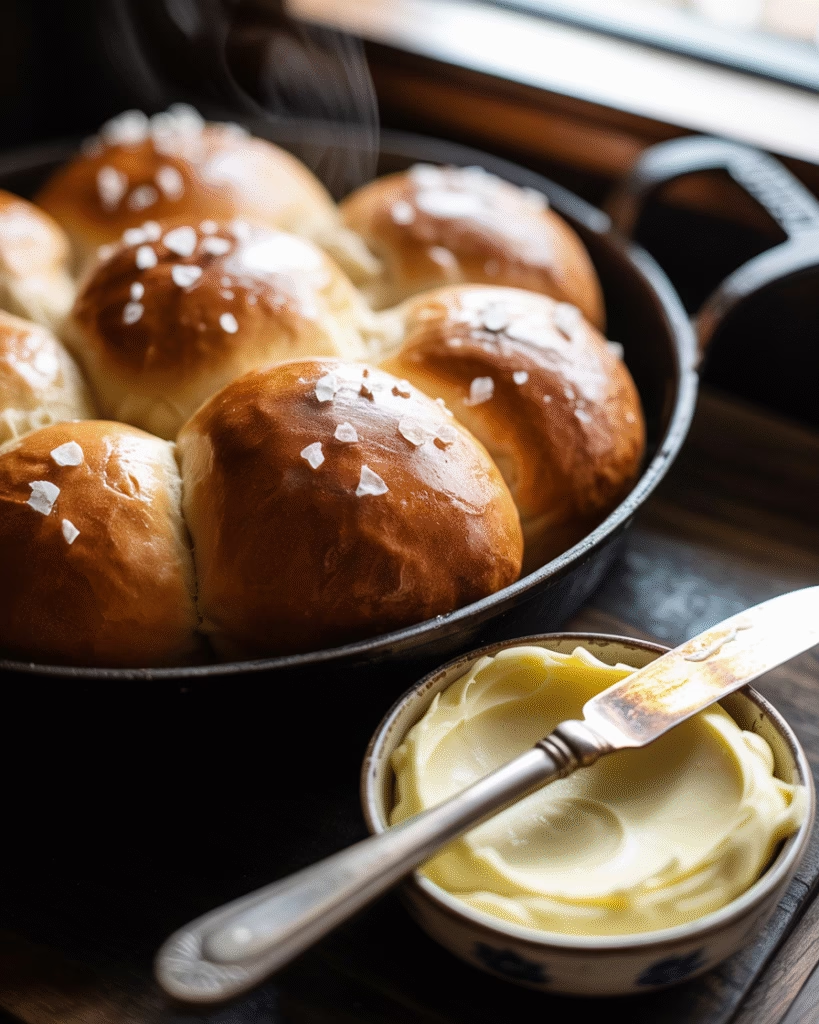
Let rolls cool in the pan for 10 minutes so the crumb sets, then lift or pull them apart and serve warm with salted honey butter. If you manage to save any (lol), store at room temp airtight for 2–3 days and rewarm before serving to revive that softness.
Make-ahead and freezing tips
- Same-day chill: After the first rise, punch down and refrigerate the dough for up to 24 hours, then shape, proof, and bake when ready. This builds flavor and makes the dough easier to handle.
- Freeze unbaked: Shape and freeze on a sheet, then bag and freeze for up to a month; thaw in the fridge overnight, proof to puffy, and bake.
- Freeze baked: Bake, cool, and freeze; rewarm covered at 300–325°F until soft and warm, then brush with butter to refresh.
Salted honey butter: quick whip
Beat softened butter until creamy and slightly fluffy, then mix in honey and salt to taste. Add a tiny splash of vanilla or a spoon of confectioners’ sugar if you want extra body and a subtly creamy vibe. Serve with a drizzle of honey and a sprinkle of flaky salt on top because you deserve drama. Ever tried it on grilled corn or pancakes? Thank me later.
Base ratios that work
- 1 cup butter + 1/3 cup honey + 1/4–1/2 tsp flaky salt for a generous batch.
- 1/2 cup butter + 3–4 tbsp honey + 1/4 tsp flaky or kosher salt for a smaller bowl.
- Optional: 1–3 tbsp confectioners’ sugar for a fluffier, sweeter spread; a tiny splash of vanilla for aroma.
Pro tips for fluffy rolls
- Aim for slightly tacky dough. Soft dough bakes softer, and a little stickiness helps the crumb stay tender.
- Proof until puffy, not by the clock. The poke test beats a timer: indentation should slowly spring back.
- Bake to temp. Pull at around 190°F internal for that tender crumb without doughiness.
- Butter at every stage. Brush before and after baking for flavor, color, and that bakery sheen.
- Finish with flaky salt. That light crunch with honey butter adds texture and contrast.
The backstory (because food stories matter)
Parker House rolls started at Boston’s Parker House Hotel in the 1870s, with a bit of fun lore about a frustrated baker tossing unfinished rolls into the oven and accidentally creating the signature fold. The style hit cookbooks in the 1880s and even appears in classic volumes like Fannie Farmer’s 1896 guide. The fold, the butter, the slight sweetness—that’s the legacy you taste today. Cool origin story, better dinner roll.
Troubleshooting
- Rolls baked up dense: You under-proofed or added too much flour; give them more rise time and keep the dough softer next time.
- Pale tops: Bake a few minutes longer or brush with butter/egg wash before baking for color.
- Dough spread too much: Your second rise ran too long or the dough ran warm; shorten the proof slightly and keep the room moderate.
- Dry crumb: You baked past 200°F internal; start checking at 18–20 minutes and pull around 190°F.
Variations you’ll actually use
- Garlic-herb butter finish: Melt butter with minced garlic and parsley, brush hot rolls, and finish with flaky salt.
- Everything spice topping: Brush with butter and sprinkle everything seasoning before baking for a savory twist.
- Honey-butter baked glaze: Brush with a thin honey-butter mixture right when they come out for shine and sweetness.
- Mini slider size: Scale smaller and stuff with turkey and cranberry or ham and cheddar—holiday leftover heaven.
Serving ideas
- Pair with roasted chicken, stew, or a holiday roast; the buttery crumb loves sauces.
- Build breakfast sliders with eggs and cheese; toast leftover rolls and they revive beautifully.
- Serve warm with a big bowl of salted honey butter and extra flaky salt at the table because you’re generous like that.
Quick recipe card
- Mix enriched dough with milk, butter, sugar, egg, flour, and yeast; knead until smooth and slightly tacky.
- Let double, shape into folded ovals, pan tightly, and proof until puffy.
- Bake at 350°F until golden and 190°F internal; brush with butter and finish with flaky salt.
- Whip salted honey butter and serve warm.
FAQs
- Can I use bread flour? You can, but you’ll get more chew; all-purpose keeps the crumb soft and tender.
- Is egg wash required? No, but it boosts shine; butter alone gives a softer, matte golden finish.
- Can I cold-proof overnight? Yes—shape, cover, and refrigerate; proof at room temp and bake when puffy.
Final thoughts
Make these salted honey butter Parker House rolls when you want guaranteed gasps at the table and leftovers that mysteriously vanish by breakfast. You’ll love the classic fold, the buttery layers, and the sweet-salty finish that makes every bite feel special. Ready to flex on your next dinner spread? Warm the milk, whip the butter, and let the oven work its charm—your kitchen called, it smells amazing already :).
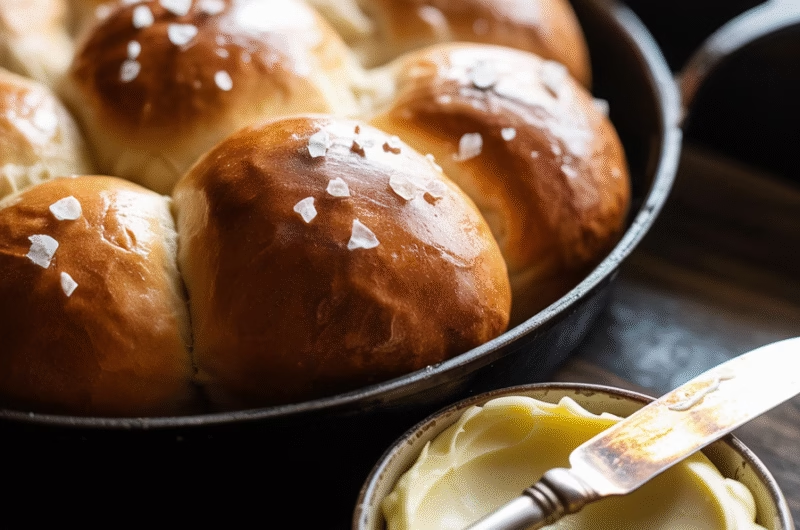
Salted Honey Butter Parker House Rolls: Soft, Buttery, Impossible to Resist
Course: Bread, SidesCuisine: AmericanDifficulty: Medium16
servings30
minutes25
minutes240
kcal3
hours20
minutesRise time: 1 hour 45 minutes to 2 hours 30 minutes (varies by kitchen temp)
Soft, buttery Parker House rolls with the classic folded shape, baked golden and finished with silky salted honey butter and a sprinkle of flaky salt. Perfect for cozy dinners, holidays, and next-day sliders.
Ingredients
For the Parker House rolls
1 1/4 cups whole milk, lukewarm (100–110°F)
2 1/4 tsp active dry yeast or instant yeast
1/4 cup granulated sugar
1/2 cup unsalted butter, melted and slightly cooled (plus more for brushing)
1 large egg, room temperature
1/2 tsp fine sea salt
3/4 to 4 1/4 cups all-purpose flour, spooned and leveled
Flaky sea salt, for finishing (optional but recommended)
- For the salted honey butter
1/2 cup unsalted butter, very soft
3–4 tbsp honey, to taste
1/4 tsp flaky or fine sea salt, plus more to finish
Directions
- Make the dough
Warm the milk to 100–110°F. If using active dry yeast, whisk milk with 1 tsp sugar and yeast; let it stand until foamy, 5–10 minutes. If using instant yeast, proceed without blooming.
In the mixer bowl, combine milk-yeast mixture (or milk), remaining sugar, melted butter, egg, and salt. Add 3 1/2 cups flour and mix until shaggy.
Knead on medium-low, adding flour 1–2 tbsp at a time until the dough pulls from the sides but remains soft and slightly tacky, 8–10 minutes by mixer or 10–12 minutes by hand. The dough should feel smooth and elastic. Tip: Slightly sticky dough bakes softer. - First rise
Transfer the dough to a lightly greased bowl, cover, and let rise in a warm spot until doubled, 60–90 minutes. The dough should look puffy and slowly spring back when gently pressed. - Shape the classic Parker House fold
Turn the dough onto a lightly floured surface. Roll to about 1/2 inch thick.
Cut into ovals or rectangles (about 2 1/2 to 3 inches wide). Lightly flatten the center of each piece. Fold each piece over itself to create the signature crease.
Butter a 9×13 pan. Arrange the folded rolls snugly with the folded edge down or sideways. Nestling them close encourages pull-apart sides and good oven spring.
Brush tops lightly with melted butter. - Second rise
Cover and let the rolls rise until puffy and light, 45–60 minutes. When you press a roll gently, the indentation should slowly spring back and not disappear immediately. - Bake
Preheat the oven to 350°F near the end of proofing.
Brush tops again with melted butter or a light egg wash for extra sheen. Bake 20–30 minutes until deep golden brown. Check internal temperature in the center of a roll—aim for about 190°F for a soft, cooked-through crumb.
Remove, then immediately brush with more melted butter. Sprinkle with flaky sea salt if using. - Salted honey butter
Beat the softened butter until creamy. Mix in honey and salt to taste. For extra body, add 1–2 tsp confectioners’ sugar (optional). Serve at room temperature so it spreads easily. - Rest and serve
Cool rolls in the pan for 10 minutes to set the crumb. Serve warm with generous swipes of salted honey butter and a pinch of flaky salt.
Notes
- Notes on ingredients
Use all-purpose flour for the most tender crumb; bread flour adds chew.
Keep the dough slightly tacky after kneading for softer rolls.
Flaky salt on top adds a gentle crunch and contrast. - Tips for fluffy, golden rolls
Keep the dough soft. Add flour only until the dough clears the bowl but still feels slightly tacky.
Proof by look and feel, not just the clock. The poke test (slow spring-back) guides doneness.
Bake to temperature. Start checking at 18–20 minutes; pull around 190°F internal for tenderness.
Butter is your friend. Brush before and after baking for flavor, color, and that bakery gloss.
Finish with flaky salt. The sweet-salty-crunch combo with honey butter elevates every bite. - Make-ahead options
Overnight (dough): After the first rise, deflate the dough, cover, and refrigerate up to 24 hours. Shape cold, then proof and bake as directed.
Freeze unbaked: Shape and freeze rolls on a sheet tray until firm. Transfer to a bag for up to 1 month. Thaw overnight in the fridge, then proof at room temp until puffy and bake.
Freeze baked: Cool completely, wrap well, and freeze up to 1 month. Rewarm covered at 300–325°F until soft and warm; finish with melted butter.