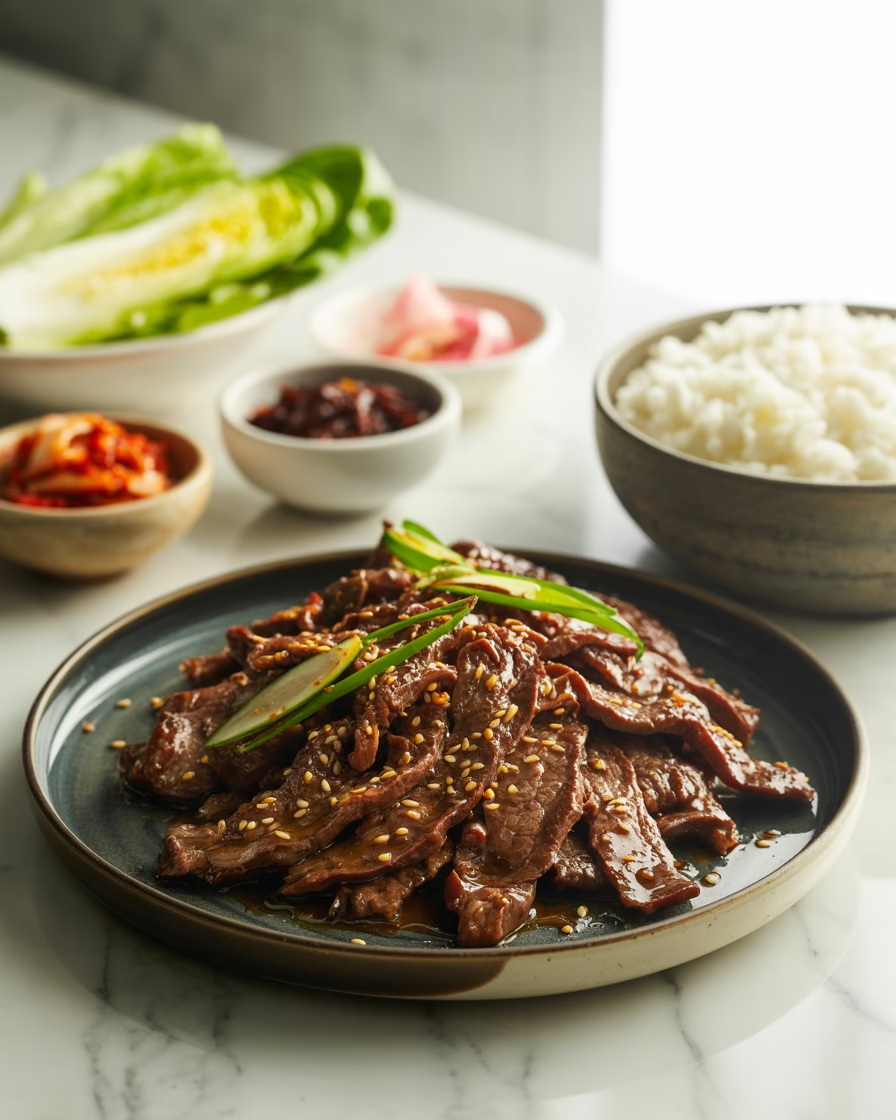
Alright, let’s talk about the holy grail of Korean grilled beef: Korean Beef Bulgogi. Seriously, if you haven’t had this dish, you’re missing out on a flavor explosion that’s both sweet, savory, and a little smoky. I’ve been making bulgogi ever since my college days, and trust me, it’s the kind of recipe that turns your kitchen into a little party. FYI, this is the ultimate comfort meal for me—even on a lazy Sunday night, whipping up a quick batch of bulgogi just hits different. So, are you ready for a culinary adventure that’s as fun as it is delicious? Let’s get into it!
What’s the Big Deal with Bulgogi?
Bulgogi literally means “fire meat,” and it’s all about marinating thin slices of beef in a killer sauce, then grilling or pan-frying until it’s juicy and caramelized. The beauty of bulgogi is it’s not just about eating beef—it’s about the whole experience. The way the marinade penetrates the meat, the way it sizzles in the pan, and then the way it melts in your mouth… it’s a little bit of heaven.
Ever wondered why this works so well? It’s the combo of soy sauce, sweetness from sugar (or pear), and that perfect whiff of garlic. And honestly, it’s hard to mess up as long as you use the right cuts and don’t overcook it.
The Star Ingredients: What You’ll Need
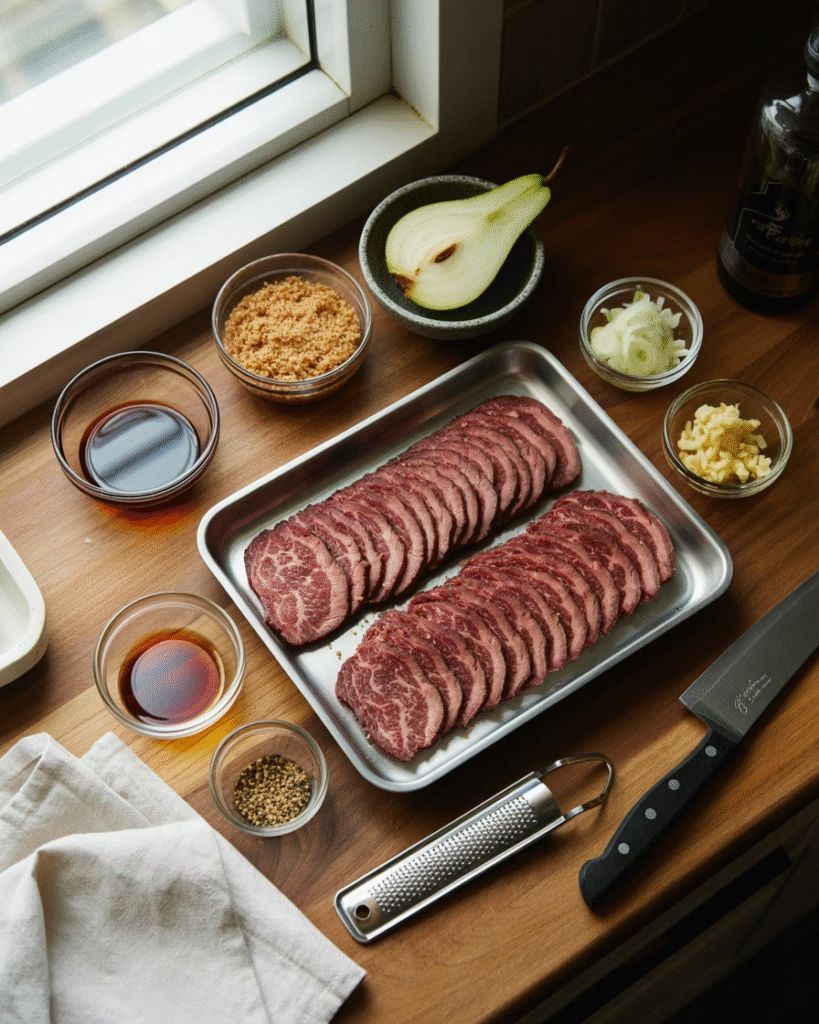
Here’s my go-to list for authentic Korean beef bulgogi. I’ve tweaked it over the years, but these are the essentials:
- Beef (rib eye or top sirloin): 1 to 1.5 lbs, thinly sliced
- Soy sauce: 6 Tbsp
- Brown sugar: 3 Tbsp
- Rice wine or mirin: 2 Tbsp
- Asian pear or red apple: 1/2 cup, grated or pureed
- Onion: 1/2 cup, grated or pureed
- Garlic: 1 Tbsp, minced
- Ginger: 1 tsp, minced
- Sesame oil: 1 Tbsp
- Sesame seeds: 1 Tbsp
- Black pepper: 1/8 tsp
- Optional vegetables: sliced onions, green onions, mushrooms, bell peppers
Pro tip: If you can’t find an Asian pear, use a red apple or a kiwi for tenderness. The enzymes in the fruit help break down the meat, making it super tender.
Why Bulgogi Is a Must-Try
So, what makes bulgogi so special compared to regular grilled beef?
- The marinade: The balance of sweet and savory is spot-on. Sugar and fruit add a little caramelized crisp to the beef, while the soy sauce gives it depth.
- Thinness matters: Bulgogi is always made with thin slices so it cooks quickly and absorbs the flavors fully.
- The aroma: Ever walk into a Korean BBQ place and get that sweet, garlicky scent? That’s bulgogi calling your name.
How to Pick the Right Cut
rib eye or top sirloin are the best for bulgogi. They’re tender, have good marbling, and cook beautifully. If you can’t find pre-sliced bulgogi, freeze your beef for about 2 hours before slicing it. This makes it way easier to cut thin slices. FYI, I always use a well-sharpened knife for this step—don’t skip it or you’ll struggle like I did the first time.
Making the Bulgogi Marinade
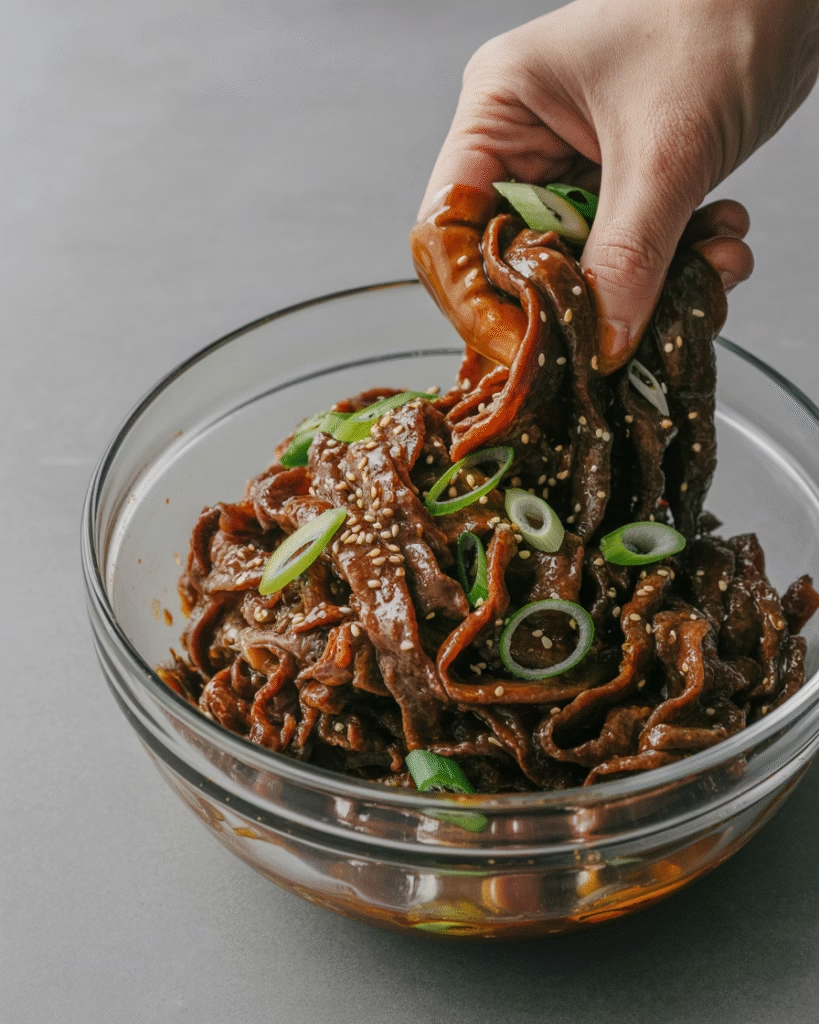
This is where the magic happens. Here’s how I make it:
- Puree the fruit and onion: Blend or grate the Asian pear (or apple) and onion. This goes into the marinade for both sweetness and tenderness.
- Mix the marinade: In a bowl, combine soy sauce, brown sugar, rice wine or mirin, garlic, ginger, sesame oil, sesame seeds, and black pepper.
- Add the beef: Toss the sliced beef in the marinade, massaging it gently so every piece is coated.
- Marinate: Let it sit in the fridge for at least 4 hours, but overnight is even better.
Fun fact: I used to marinate the beef for 30 minutes, but honestly, giving it time makes a huge difference. The longer the beef sits, the juicier and more flavorful it gets.
Cooking Bulgogi: Pan-Fry vs. Grill
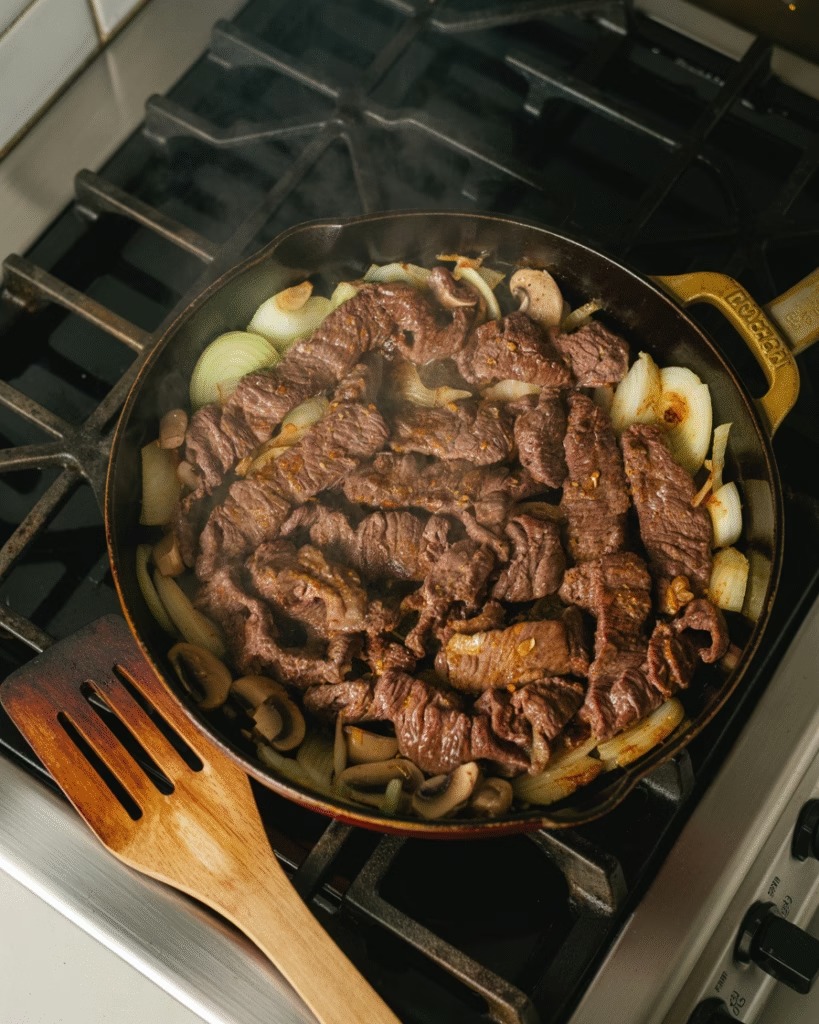
You can cook bulgogi in a pan or on a grill. Both are great, but I love using a cast iron skillet for that smoky flavor.
- Pan-fry: Heat the pan on high, add a little oil, and cook the beef in small batches. Don’t overcrowd the pan—this keeps the meat from steaming and lets it caramelize.
- Grill: If you have a charcoal grill, bulgogi is even better. The open flame gives it a little char, and the meat juices drip down, making it super flavorful.
Rhetorical question: Have you ever tasted the difference between pan-fried and grilled bulgogi? It’s like night and day.
Avoiding Common Mistakes
- Don’t slice the beef too thick. The key is thin, even slices.
- Don’t overcook the beef. It should be juicy, not tough.
- Don’t skip marinating. At least 4 hours is a must.
- Don’t overcrowd the pan. This steams the meat and dilutes the flavor.
Serving Bulgogi: The Korean Way
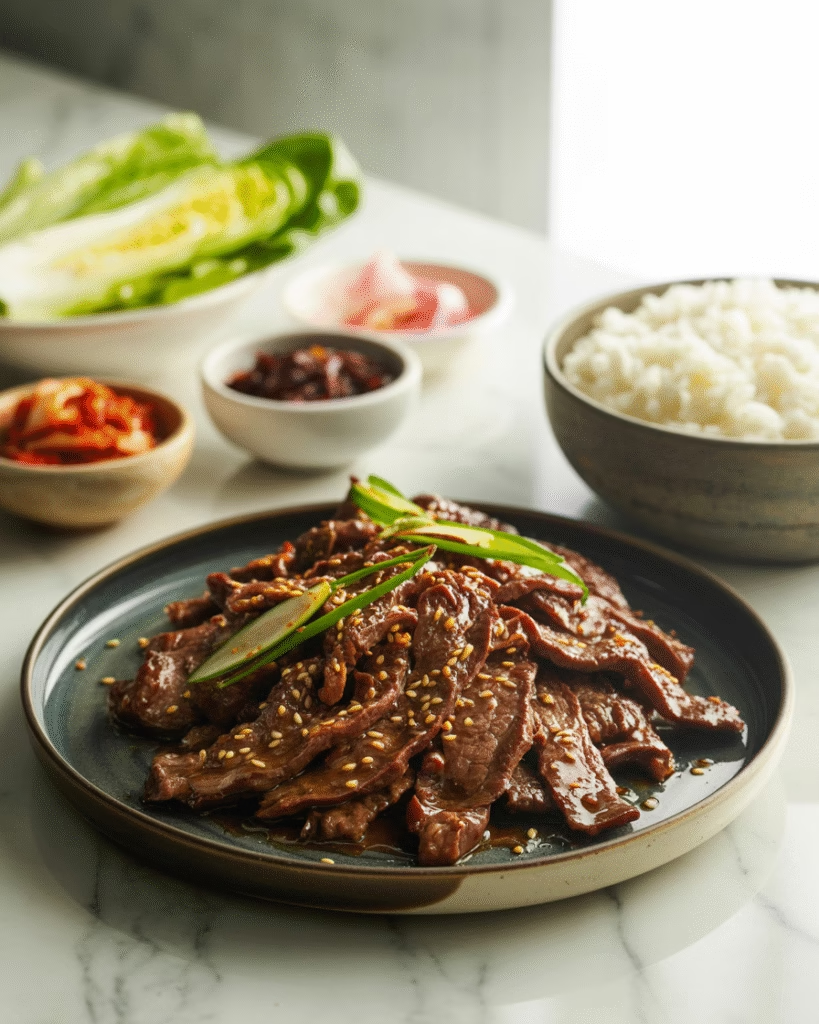
Bulgogi is usually served with:
- Steamed rice
- Lettuce leaves for wrapping
- Ssamjang (a spicy Korean BBQ sauce)
- Kimchi
- Fresh vegetables like cucumbers and radishes
You can also get creative and make bulgogi wraps, use it as a rice bowl topping, or even mix it into a stir-fry.
Personal Touch: Why Bulgogi Is My Favorite
For me, bulgogi is more than just a recipe. It’s a memory of family dinners, late-night cravings, and the feeling of home. I still remember the first time I saw my friend’s mom make it in a cast iron pan—she cracked an egg into the juice at the end and stirred it into the rice. That’s a game-changer, IMO.
The Final Word
Bulgogi isn’t just a meal—it’s a flavor experience. With the right ingredients, a little patience, and a hot pan, you can make something that’s fast, easy, and absolutely delicious. Whether you’re a grilling pro or a newbie, this recipe is a must-try. Now, go grab that beef and get cooking!
Oh, and don’t forget to save some for leftovers—cold bulgogi in a rice bowl the next day is a close second to fresh, hot bulgogi. Trust me, you’ll be thanking me later. 🙂
Hope this brings a little joy to your kitchen and makes your next meal extra special!
Korean Beef Bulgogi Recipe (Authentic, Juicy, Weeknight-Easy)
Course: MainCuisine: KoreanDifficulty: Easy4
servings30
minutes10
minutes380
kcal4
hours30
minutesMarinating Time: 4–12 hours
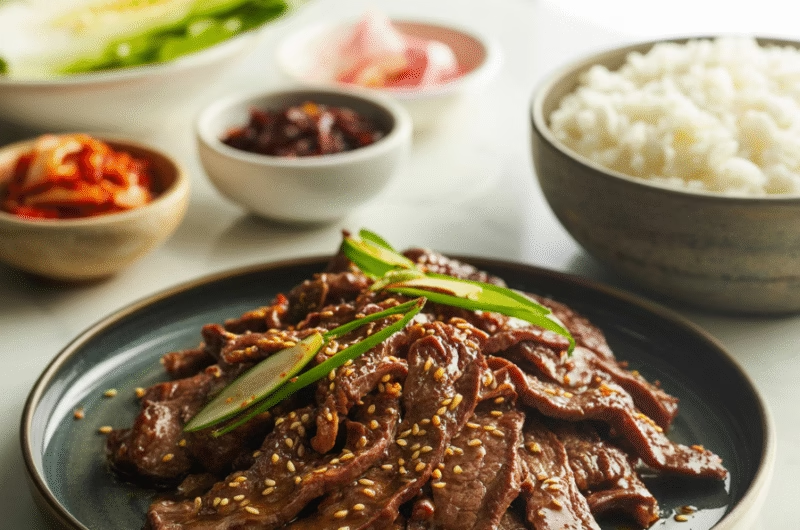
Thinly sliced ribeye or top sirloin soaks in a sweet-savory marinade with soy sauce, brown sugar, grated Asian pear, garlic, and sesame oil, then cooks hot and fast until caramelized and juicy. Serve with steamed rice, lettuce wraps, kimchi, and ssamjang for the full Korean BBQ vibe.
Ingredients
Beef
1 to 1.5 lb ribeye or top sirloin, very thinly sliced (shaved-style for best results)
1 small yellow onion, thinly sliced (optional, for cooking)
1 cup mixed veg, optional (sliced mushrooms, extra onion, or bell peppers)
- Marinade
6 Tbsp soy sauce (regular or light)
3 Tbsp brown sugar (or 2 Tbsp brown sugar + 1 Tbsp honey)
2 Tbsp rice wine or mirin
1/2 cup grated Asian pear (sub: red apple; kiwi works but tenderizes fast)
1/2 cup grated onion
1 Tbsp minced garlic
1 tsp minced ginger
1 Tbsp sesame oil
1 Tbsp sesame seeds
1/8 tsp ground black pepper
- For Serving
Steamed white rice
Lettuce leaves (romaine, green leaf, or butter lettuce)
Ssamjang, kimchi, sliced cucumbers, and pickled radish
Directions
- Slice the beef (make it thin)
Freeze the steak for 60–90 minutes until firm but not solid. Slice against the grain into very thin sheets (1–2 mm). Keep cold.
Tip: If your butcher sells “bulgogi cut,” grab that. - Make the marinade
In a bowl, combine soy sauce, brown sugar, rice wine/mirin, grated Asian pear, grated onion, minced garlic, minced ginger, sesame oil, sesame seeds, and black pepper.
Whisk until the sugar dissolves and everything looks glossy. - Marinate the beef
Add the sliced beef to the marinade and massage gently to coat every piece.
Cover and refrigerate 4–12 hours. Overnight gives the deepest flavor. If using kiwi in place of pear, marinate for no longer than 2–3 hours to avoid mushy texture. - Prep to cook hot and fast
Drain off excess marinade just before cooking (no need to rinse).
Pat the beef lightly if it’s dripping; you want sizzle, not steam.
Optional: Toss in thin slices of onion or mushrooms for texture. - Pan-fry (or grill) in batches
Heat a cast iron skillet over high heat until very hot. Add a thin film of neutral oil.
Cook a small batch of beef at a time in a single layer, 45–90 seconds per side, until caramelized at the edges. Avoid crowding. Stir occasionally to char edges.
Transfer cooked beef to a platter and repeat with remaining beef. Add optional onions/mushrooms to the pan between batches as desired. - Grill Option: Preheat to high. Use a mesh grill tray or skewers for thin slices. Grill 1–2 minutes per side until lightly charred and glossy.
- Garnish and serve
Sprinkle toasted sesame seeds and sliced green onions over the bulgogi.
Serve immediately with steamed rice, lettuce leaves, ssamjang, and kimchi. Wrap rice and beef in lettuce with a dab of sauce for the classic experience.
Notes
- Tips
Thin is king: Thin slices absorb more flavor and cook faster with better caramelization.
Fruit tenderizer: Asian pear is classic; red apple works well too. Kiwi tenderizes aggressively—shorten marinade time if you use it.
Don’t overcrowd: Overcrowded pans steam the beef and mute the sear.
Batch cooking: High heat, small batches, and quick turns deliver that glossy, charred edge.
Rest a minute: Let the cooked beef sit 1–2 minutes before serving to reabsorb juices.
Optional “restaurant shine”: Stir in a teaspoon of honey during the last 30 seconds of a batch for extra lacquer. - Make-Ahead, Storage, and Reheating
Make-ahead: Marinate the beef up to 24 hours in advance (pear/apple). If using kiwi, marinate only 2–3 hours max.
Fridge: Store cooked bulgogi in an airtight container for up to 3–4 days.
Freezer (uncooked): Freeze pre-sliced beef in marinade up to 2 months; thaw overnight in the fridge before cooking.
Reheat: Re-warm quickly in a hot skillet to keep the edges caramelized. Avoid microwaving too long to prevent dryness. - Substitutions and Variations
Protein: Chicken thighs or pork shoulder work with the same marinade.
Sweeter: Add 1 more Tbsp brown sugar or 1 tsp honey per pound.
Spicy: Add 1–2 tsp gochujang or a pinch of gochugaru to the marinade.
Gluten-free: Use tamari instead of regular soy sauce.
Low-carb: Serve with lettuce wraps or cauliflower rice.