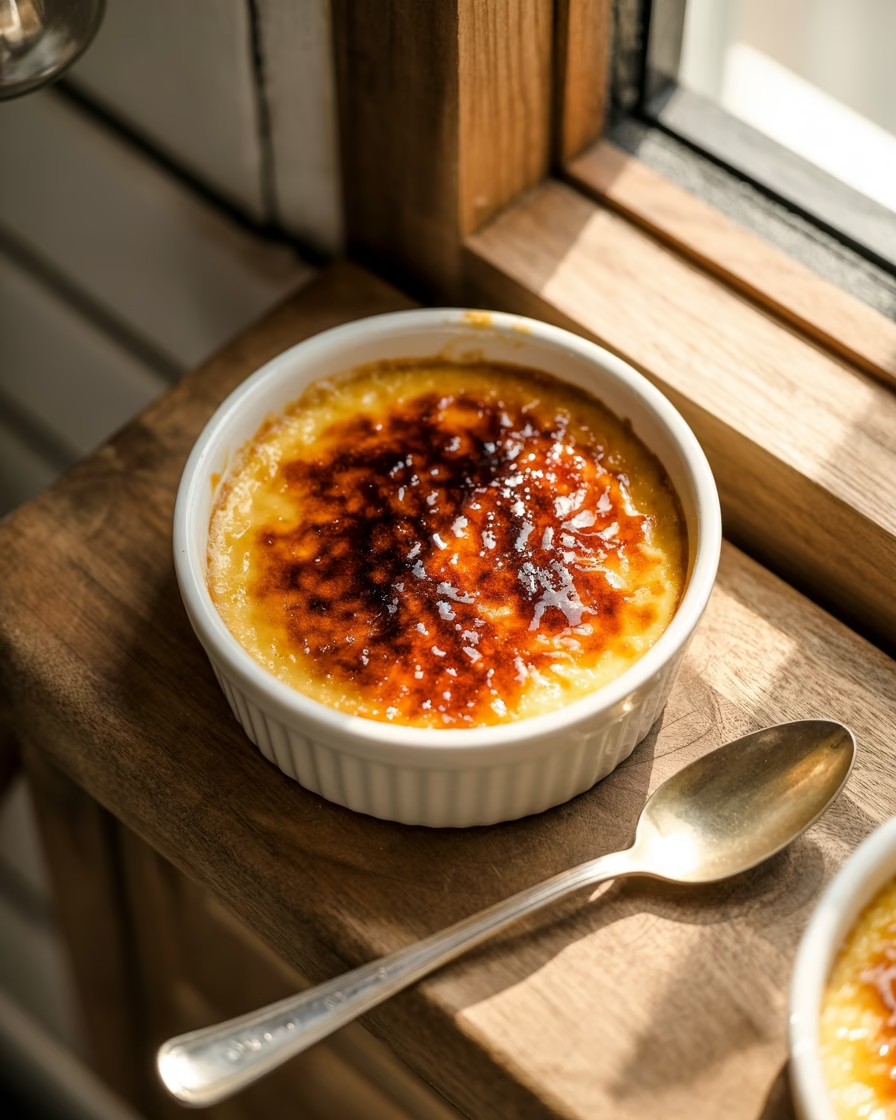
Okay, let’s be real crème brûlée sounds fancy, doesn’t it? Like something you’d only order at a French bistro while pretending you know how to pronounce “hors d’oeuvres.” But here’s the thing: this dessert is shockingly easy to make at home. I’m talking about five basic ingredients and a kitchen torch (yes, you finally have an excuse to buy one). Once you crack that caramelized sugar top and dive into the silky custard underneath, you’ll wonder why you ever paid $12 for this at a restaurant.
What Makes Crème Brûlée So Irresistible?
Let’s talk about why this dessert has been stealing hearts since forever. It’s all about that contrast—the crackling, brittle sugar crust giving way to the smoothest, creamiest vanilla custard you’ve ever tasted. The texture is basically heaven in a ramekin. And honestly? There’s something deeply satisfying about tapping your spoon through that caramelized top. It’s like bubble wrap for dessert lovers :).
The beauty of crème brûlée is its simplicity. You need heavy cream, egg yolks, sugar, vanilla, and a pinch of salt. That’s it. No complicated techniques, no fancy equipment (except that torch, which we’ll get to). It’s elegant without being stuffy, which is why it works for both fancy dinner parties and random Tuesday nights when you’re feeling extra.
Getting Your Ingredients Right
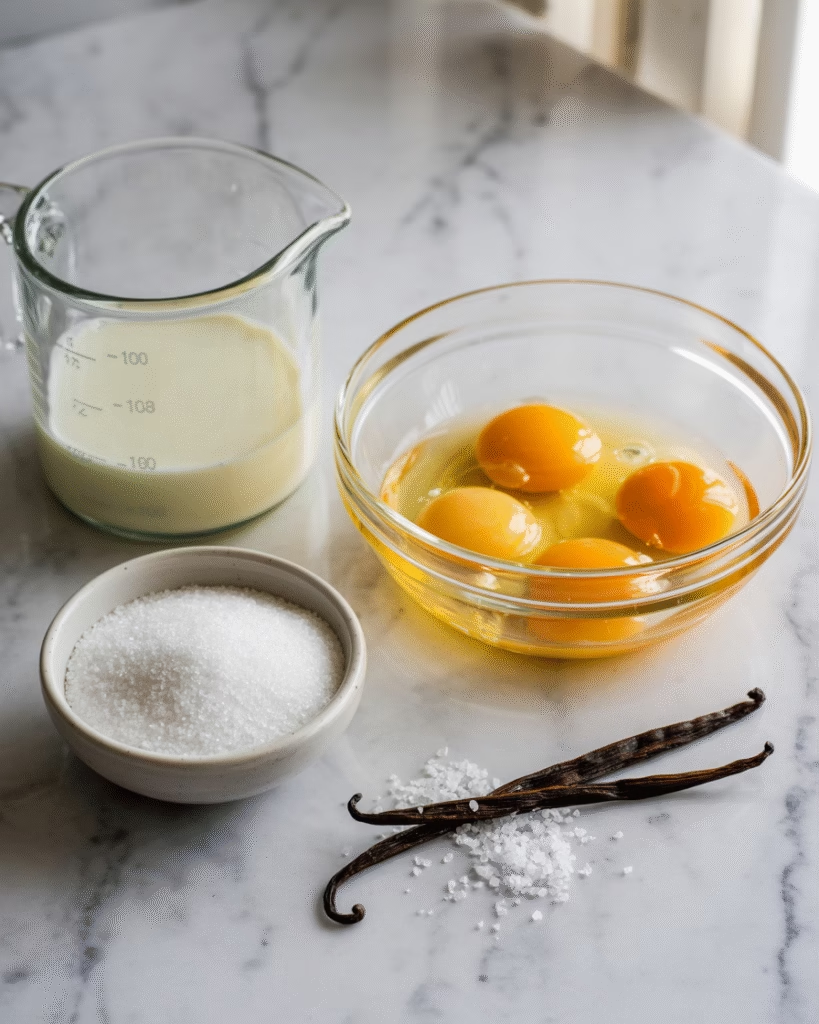
Here’s where most people mess up without even realizing it. You absolutely need heavy cream for this recipe—not half-and-half, not milk, not that “light” cream nonsense. Heavy cream has the fat content necessary to create that luxurious, velvety texture. Using anything less will give you a thin, watery custard that’s honestly just sad.
For the eggs, you only want the yolks—five of them, to be exact. The yolks are where all the richness lives, and they’re what helps the custard set properly. Whole eggs will give you a different texture entirely, so don’t even think about it. And hey, now you have five egg whites to make meringues or something. Problem solved.
Sugar plays a double role here. You’ll need about 3/4 cup divided—some goes into the custard itself, and some gets sprinkled on top for that iconic caramelized crust. FYI, superfine sugar works best for the topping because it melts more evenly. Regular granulated sugar is fine for the custard base though.
Don’t skip the vanilla. You can use vanilla extract (1.5 teaspoons), vanilla bean paste, or even a whole vanilla pod if you’re feeling fancy. The vanilla pod gives you those gorgeous little specks throughout the custard, but extract works perfectly fine too. And here’s a game-changer: add a pinch of espresso powder. It doesn’t make it taste like coffee—it just deepens the flavor and makes everything more complex. Trust me on this one.
Making the Custard Base
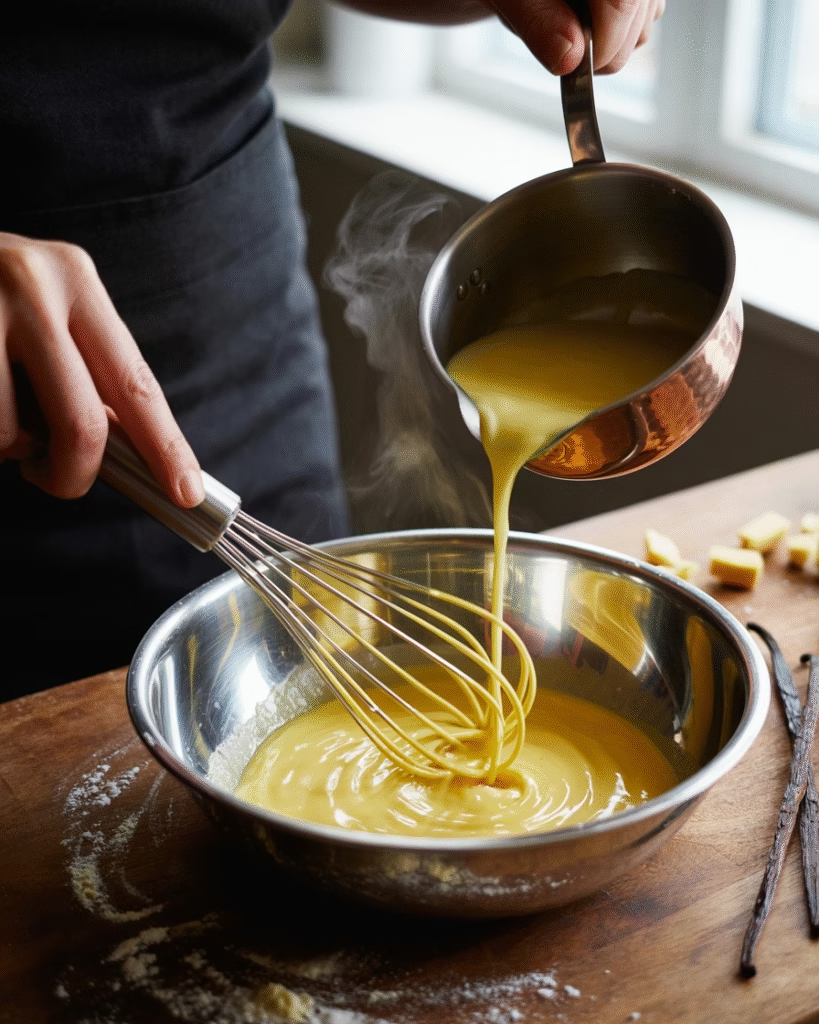
Alright, time to get cooking. First, heat your heavy cream, salt, and that optional espresso powder in a saucepan over medium heat. You want it to just barely start simmering—don’t let it boil. As soon as you see those little bubbles forming around the edges, pull it off the heat and stir in your vanilla extract.
Now comes the tricky part: tempering the eggs. This basically means you’re slowly introducing the hot cream to the egg yolks without turning them into scrambled eggs. Whisk your egg yolks with sugar in a heatproof bowl until they’re smooth and pale. Then, take about half a cup of that warm cream and pour it into the yolks in a slow, steady stream while whisking constantly. Keep those yolks moving!
Once you’ve tempered the yolks, pour that mixture back into the rest of the warm cream, again in a slow stream while whisking. You should now have a smooth, golden custard base. Some recipes call for cooking this mixture over a double boiler until it thickens enough to coat the back of a spoon. Either way works, IMO.
The Water Bath Situation
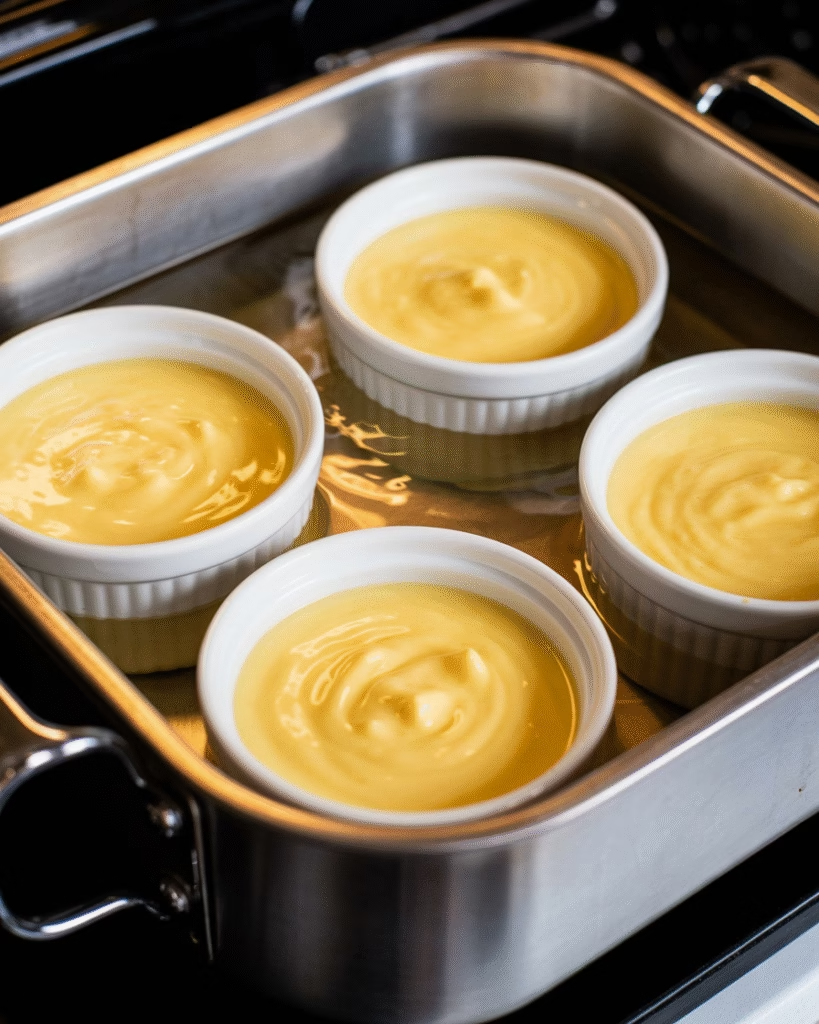
Here’s where people either get it right or completely butcher their crème brûlée. You cannot skip the water bath. I know it seems like extra work, but this is what prevents your custard from curdling or developing that weird, scrambled egg texture nobody wants.
Pour your custard into shallow ramekins—and yes, shallow matters here. Deep ramekins mess with the cooking time and the ratio of custard to caramelized topping. Place your filled ramekins in a large baking dish or roasting pan, then carefully pour hot water into the pan until it comes about halfway up the sides of the ramekins.
Bake at 300°F until the custards are set around the edges but still have a slight jiggle in the center. This usually takes 20-30 minutes, but check them around the 20-minute mark. Overcooked crème brûlée gets rubbery and may even crack on the surface. You want that gentle wobble—it means perfection.
Chilling: The Patience Game
Once your custards are baked, let them cool to room temperature, then stick them in the fridge for at least two hours. Honestly, overnight is even better. The custard needs time to fully set and develop those flavors. I know waiting sucks, but this is one of those times when patience actually pays off. Think of it as delayed gratification at its finest.
The Torch Technique
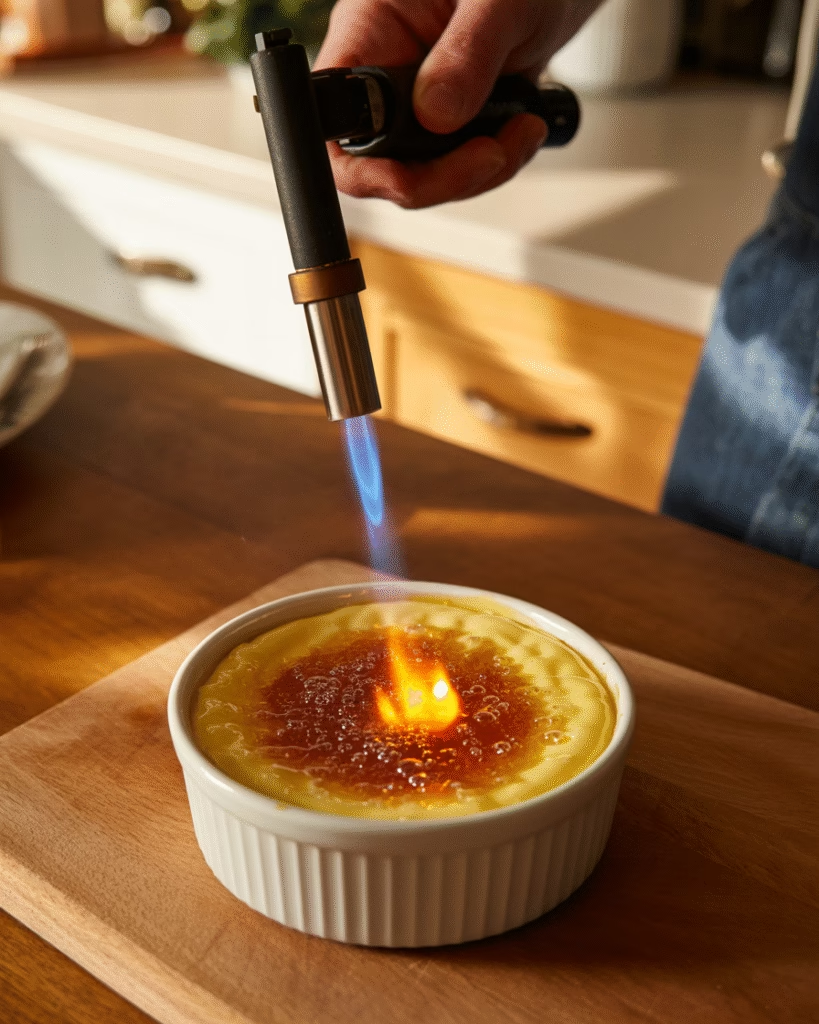
Okay, this is the moment you’ve been waiting for—the caramelization. Right before serving (and I mean right before, not two hours before), sprinkle an even layer of superfine sugar over each custard. You want about two teaspoons per ramekin.
Now grab your kitchen torch. Hold it about 4-5 inches away from the sugar surface and use a medium flame. Here’s the key: keep moving in small, circular motions. Don’t just blast one spot, or you’ll end up with burnt patches and raw sugar at the edges. Not cute.
First, the sugar will melt. Keep going until it starts to turn golden and caramelize. This should be a gradual process—patience with a medium flame beats rushing with a high flame every single time. Some chefs even hold the ramekin at a slight angle and rotate it so the caramelizing sugar rolls around, coating edge to edge. Pro move right there.
If you caramelize too early, the gorgeous hardened top will deteriorate and get soft. Don’t refrigerate for more than 30 minutes after torching, or you’ll lose that satisfying crack. Serve immediately for maximum crunch factor.
Common Mistakes (And How to Avoid Them)
Let me save you some headaches by covering what usually goes wrong. Overmixing the custard is a big one—you don’t want to incorporate tons of air bubbles. Just whisk until everything’s combined, then stop. Those bubbles will mess with the smooth texture you’re going for.
Using the wrong cream will absolutely wreck your dessert. Stick with heavy cream, no substitutions. And please, for the love of all things dessert, don’t skip the water bath. I can’t stress this enough. It’s the difference between silky custard and eggy disaster.
Burning the sugar is probably the most common mistake during the caramelization phase. Hold the torch too close or stay in one spot too long, and you’ll get bitter, burnt patches. Keep that torch moving and maintain distance. If you do burn it, just scrape it off, add fresh sugar, and try again.
Not chilling the custard long enough is another rookie error. If it’s not properly set, you won’t get the right texture, and the whole thing becomes a mess. Give it time to chill completely—this isn’t a recipe you can rush.
Why This Recipe Works Every Time
The magic of crème brûlée is in the technique, not complicated ingredients. You’re basically making a fancy vanilla custard and sticking caramelized sugar on top. The water bath ensures even, gentle cooking. The shallow ramekins give you the perfect custard-to-caramelized-topping ratio. The tempering prevents scrambled eggs. See? It all makes sense when you break it down.
Plus, this is a make-ahead dessert, which is clutch for dinner parties. Make the custards the day before, chill them overnight, then torch them right before serving. You look like a culinary genius without actually stressing in the kitchen while your guests arrive. That’s what I call a win-win.
Final Thoughts
Look, crème brûlée might seem intimidating at first, but it’s honestly one of the easiest impressive desserts you can make. Five ingredients, a little patience, and a kitchen torch—that’s your ticket to restaurant-quality dessert at home. The custard is forgiving as long as you don’t overcook it or skip the water bath. The caramelization gets easier with practice. And the result? Pure, elegant deliciousness that’ll have everyone asking for the recipe.
So grab those ramekins, fire up that torch, and give it a shot. Worst case scenario, you end up with slightly imperfect but still delicious vanilla custard. Best case? You nail it on the first try and become the designated crème brûlée person in your friend group. Either way, you win.
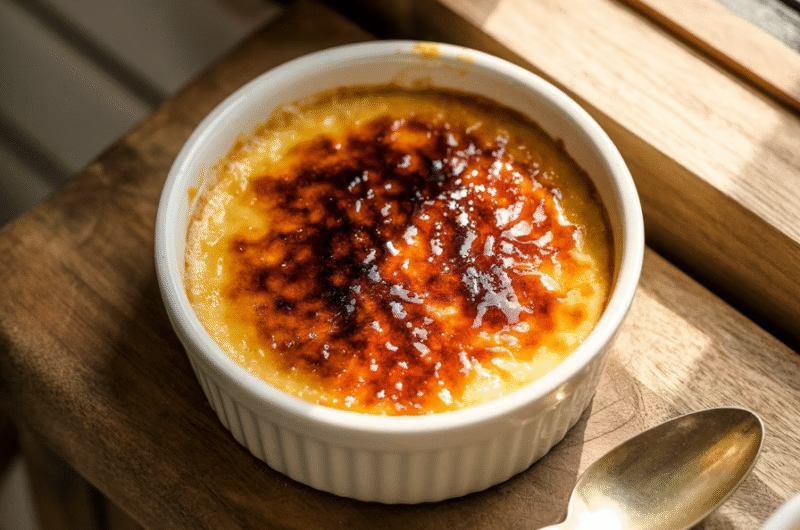
How to Make Restaurant-Quality Crème Brûlée at Home (It’s Easier Than You Think!)
Course: DessertCuisine: AmericanDifficulty: Easy6
servings15
minutes25
minutes320
kcal4
hours20
minutes (plus 4+ hours chilling)
This classic French dessert features a silky-smooth vanilla custard topped with a crackling caramelized sugar crust. Made with just five simple ingredients, restaurant-quality crème brûlée is surprisingly easy to make at home. The contrast between the brittle caramelized top and the velvety custard beneath makes every spoonful absolutely irresistible.
Ingredients
For the Custard:
5 large egg yolks
3/4 cup (150g) granulated sugar, divided
3 cups (720ml) heavy cream or heavy whipping cream
1 and 1/2 teaspoons pure vanilla extract (or 1 vanilla bean pod, split and scraped)
1/4 teaspoon salt
1/2 teaspoon espresso powder (optional but recommended)
- For the Caramelized Top:
2-3 tablespoons superfine sugar (for topping)
Directions
- Step 1: Heat the Cream
In a medium saucepan, combine the heavy cream, salt, and optional espresso powder. Heat over medium heat until small bubbles form around the edges—don’t let it boil. Remove from heat and stir in the vanilla extract. Set aside to cool for about 5 minutes. - Step 2: Temper the Eggs
In a heatproof bowl, whisk together the egg yolks and 1/2 cup of the sugar until smooth and pale, about 2 minutes. Slowly pour about 1/2 cup of the warm cream into the egg mixture while whisking constantly. This prevents the eggs from scrambling. - Step 3: Combine the Mixture
Slowly pour the tempered egg mixture back into the remaining warm cream while whisking continuously. Whisk until the custard is smooth and fully combined. Strain through a fine-mesh sieve if desired to remove any cooked egg bits. - Step 4: Prepare for Baking
Transfer the custard to a liquid measuring cup for easy pouring. Place your ramekins in a large baking pan. Carefully pour the custard into each ramekin, filling to near the top. - Step 5: Create the Water Bath
Preheat your oven to 300°F (150°C). Carefully place the baking pan with ramekins into the oven. Pour hot water into the pan around the ramekins until it reaches about halfway up their sides. Use caution—the water and pan will be hot. - Step 6: Bake the Custards
Bake for 20-30 minutes, checking around the 20-minute mark. The custards are done when they’re set around the edges but still have a slight jiggle in the very center when you gently shake the ramekin. Don’t overbake—this is the key to creamy custard. - Step 7: Cool
Remove the baking pan from the oven carefully using oven mitts. Let the ramekins cool in the water bath for about 15-20 minutes, then transfer them to a wire rack. Once cooled to room temperature, cover loosely and refrigerate for at least 4 hours, but overnight is best. - Step 8: Caramelize the Sugar
Right before serving, remove the ramekins from the refrigerator. Sprinkle a thin, even layer of superfine sugar over each custard—about 1-2 teaspoons per ramekin. Hold your kitchen torch about 4-5 inches above the sugar and use a medium flame in small, circular motions until the sugar melts and turns golden brown. - Step 9: Serve Immediately
Once caramelized, serve the crème brûlée right away while the sugar topping is still crispy. The crackling texture is best enjoyed within 30 minutes of torching.
Notes
- Tips for Success
Don’t skip the water bath – This gentle cooking method prevents curdling and ensures a creamy texture
Use heavy cream only – Lighter cream substitutes will result in a thinner custard
Keep torch moving – Staying in one spot burns the sugar and creates bitter patches
Chill thoroughly – Cold custards hold the caramelized topping better and taste richer
Make ahead – Prepare the custards up to 2 days in advance and torch right before serving - Storage & Make-Ahead Instructions
Refrigerator: Store covered custards for up to 2 days. Caramelize the topping only right before serving.
Freezing: You can freeze unbaked custard for up to 1 month. Thaw in the refrigerator before baking.
Best Served: Fresh, within 30 minutes of caramelizing the sugar topping. - Variations to Try
Coffee Crème Brûlée: Add 1-2 teaspoons of instant coffee to the cream mixture
Chocolate Crème Brûlée: Stir 2 tablespoons of cocoa powder into the custard base
Lavender Crème Brûlée: Infuse the cream with dried lavender buds before heating
Citrus Crème Brûlée: Add lemon or orange zest to the egg yolk mixture