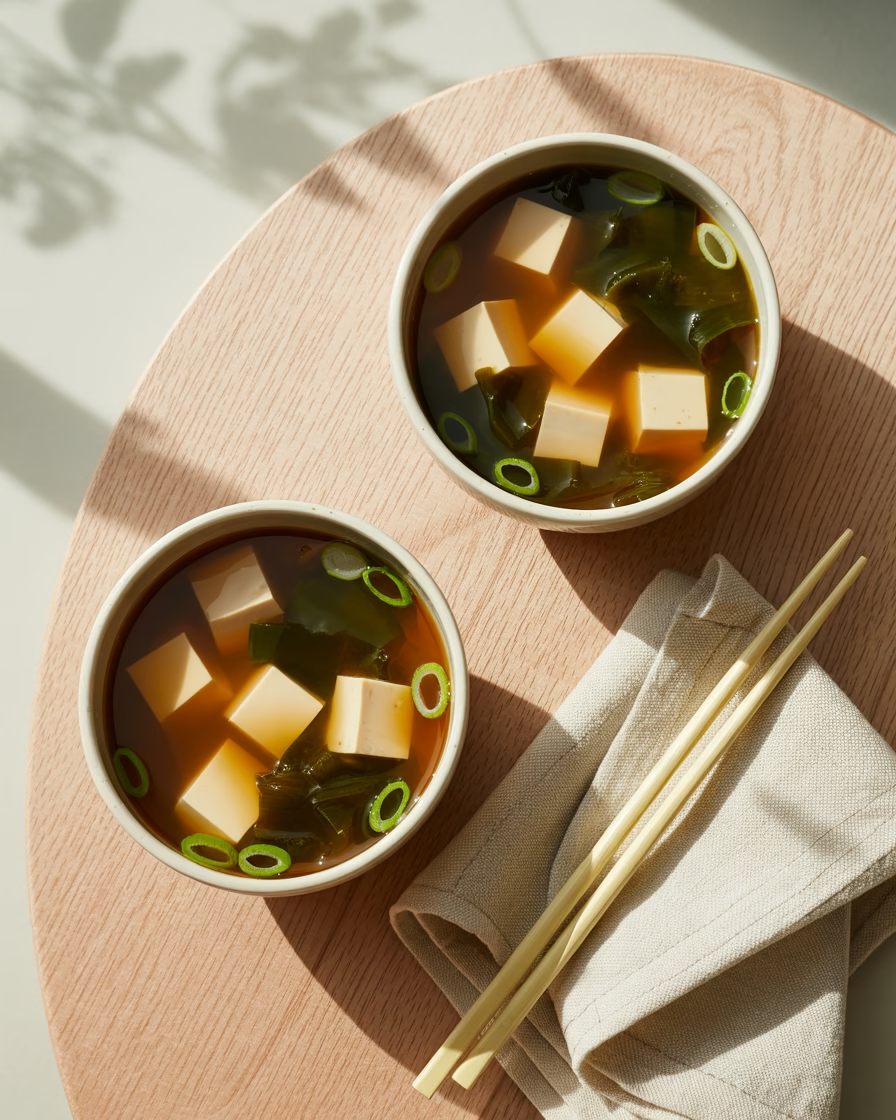
If you’ve ever tasted a warm, soul-soothing bowl of miso soup, you know there’s something magical about it. It’s not just comfort food—it’s practically a hug in a bowl. I’ve been making miso soup at home for years, tweaking recipes, burning a few batches (oops!), and finally nailing down the perfect balance of flavors. If you’re looking for a delicious miso soup recipe that’s easy to follow, flexible, and bursting with umami, you’re in the right place. Let’s dive in (but, hey, no “dive into” clichés here, promise!)—I’ll share my best tips, personal favorites, and even a few sneaky tricks that make your soup taste like it came straight from a Tokyo kitchen.
Why Miso Soup Is a Kitchen MVP
Ever wondered why miso soup is a staple in Japanese homes? Well, for starters, it’s super quick, endlessly customizable, and packs a big flavor punch for minimal effort. Plus, it’s loaded with probiotics, thanks to the fermented miso paste. I don’t know about you, but after a long day, I need something that makes me feel good inside and out. That’s where miso soup comes in, always ready to rescue my mood (and my gut).
Pro tip: The secret to awesome miso soup? It all starts with the broth—specifically, the dashi stock. Don’t skip it, even if you’re tempted to grab a bouillon cube. Trust me, a proper dashi makes all the difference. Want to keep it vegetarian? No problem—just swap in some mushroom-based dashi or veggie stock.
Miso Soup Recipe: Step-by-Step
Alright, let’s get down to business. Here’s how to make the best miso soup at home, with just a few key ingredients and minimal fuss. If you’re new to miso, don’t worry—it’s way easier than it sounds.
What You’ll Need
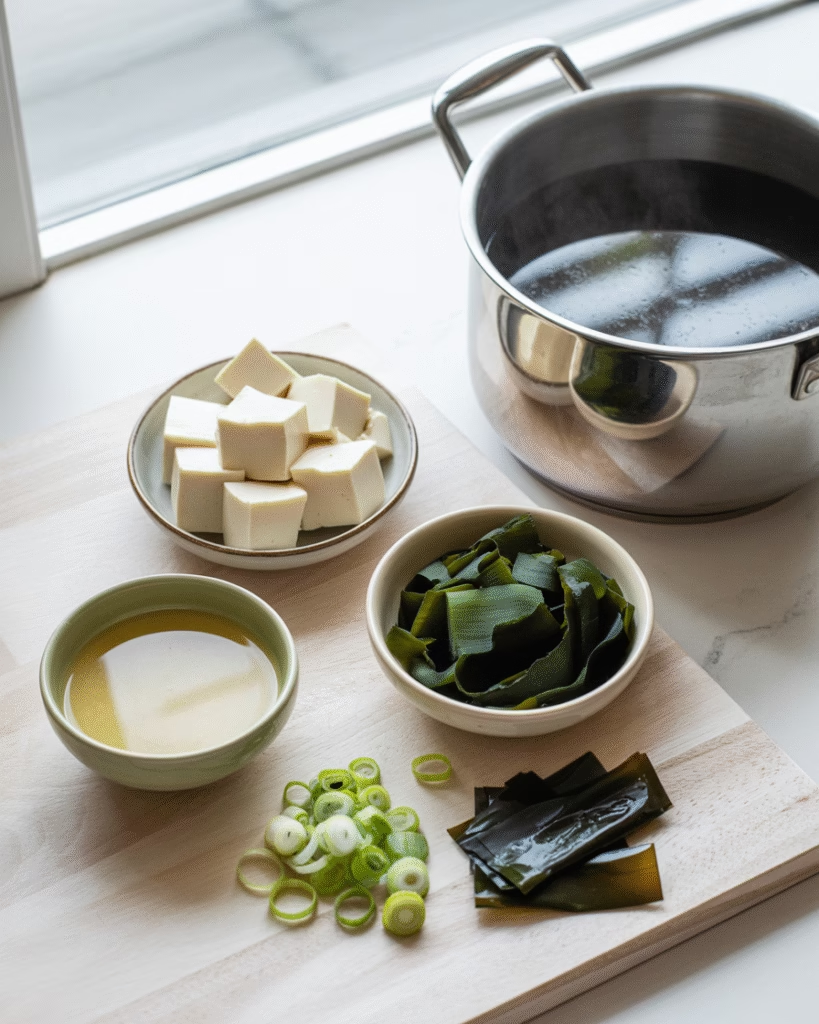
- 4 cups water (or dashi stock for extra umami)
- 2-3 Tbsp miso paste (white miso is milder; red is stronger)
- ½ cup tofu, cubed (firm or silken, your call)
- ¼ cup wakame seaweed (dried, soaked)
- 2-3 green onions, chopped
- Optional: mushrooms, spinach, daikon, or whatever veg you’ve got lying around
Let’s Make It
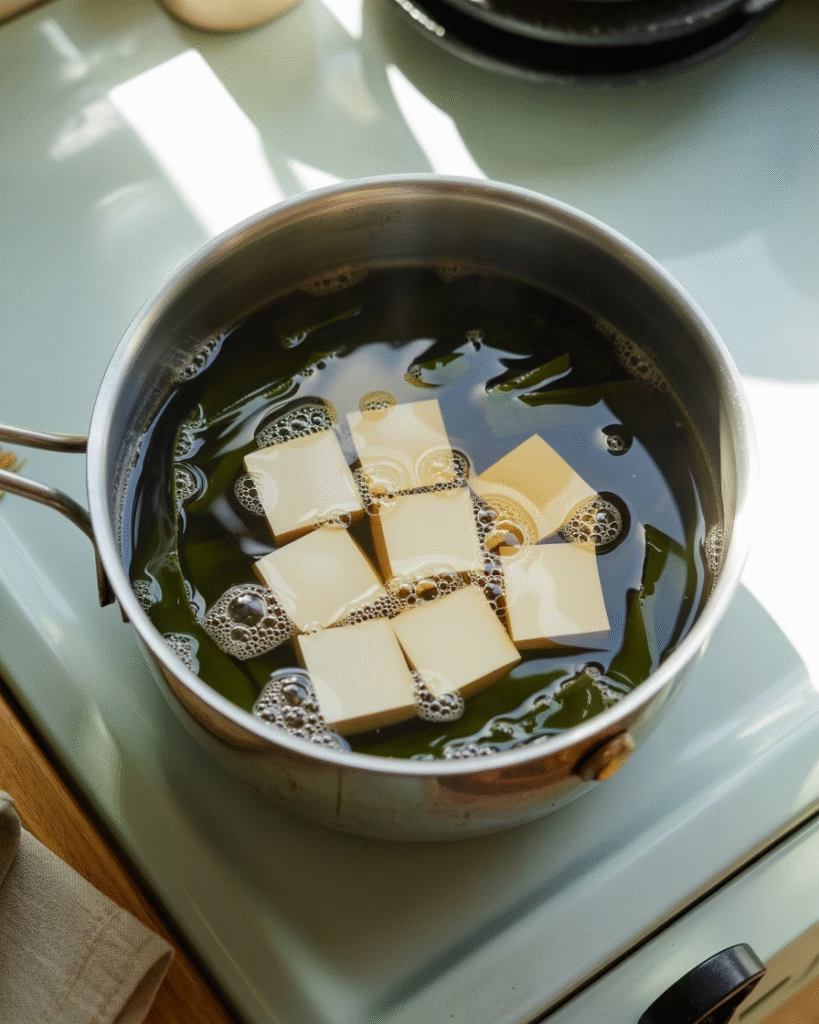
- Bring your water or dashi to a gentle simmer (no boiling—this can ruin the kombu’s flavor).
- Add tofu and any veggies you like (mushrooms, spinach, etc.) and let them warm through for a few minutes.
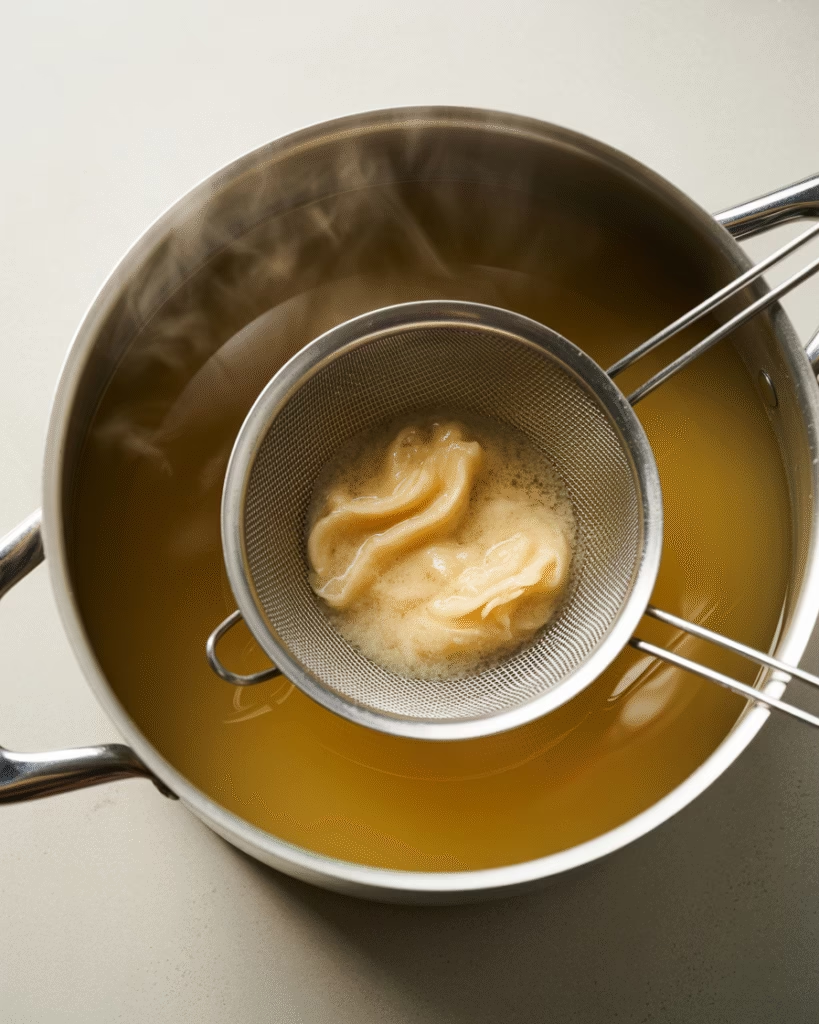
- Here’s my pro move: never dump miso paste straight into the pot. Instead, place the miso in a small strainer and lower it into the hot broth. Use chopsticks to swirl the paste until it dissolves completely. This keeps your soup smooth and lump-free.
- Turn off the heat, add your wakame and green onions, and serve immediately.
Key tip: Never boil the soup after adding miso. That kills the probiotics and dulls the flavor. You want your miso soup warm, not scalding hot.
Picking the Right Miso Paste
Choosing the right miso paste can feel overwhelming, but it doesn’t have to be. Here’s the lowdown:
- White miso (shiro miso): Mild, sweet, and super approachable. Perfect for beginners.
- Red miso (aka miso): Stronger, saltier, more intense. Great if you like bold flavors.
- Yellow miso (shinshu miso): Somewhere in between. Balanced and versatile.
IMO, white miso is your best friend if you’re new to miso soup. It’s forgiving and blends well with most ingredients. FYI, a little goes a long way—start with 2 Tbsp and add more to taste. It’s easier to add than to fix an overly salty batch!
Customize Your Bowl
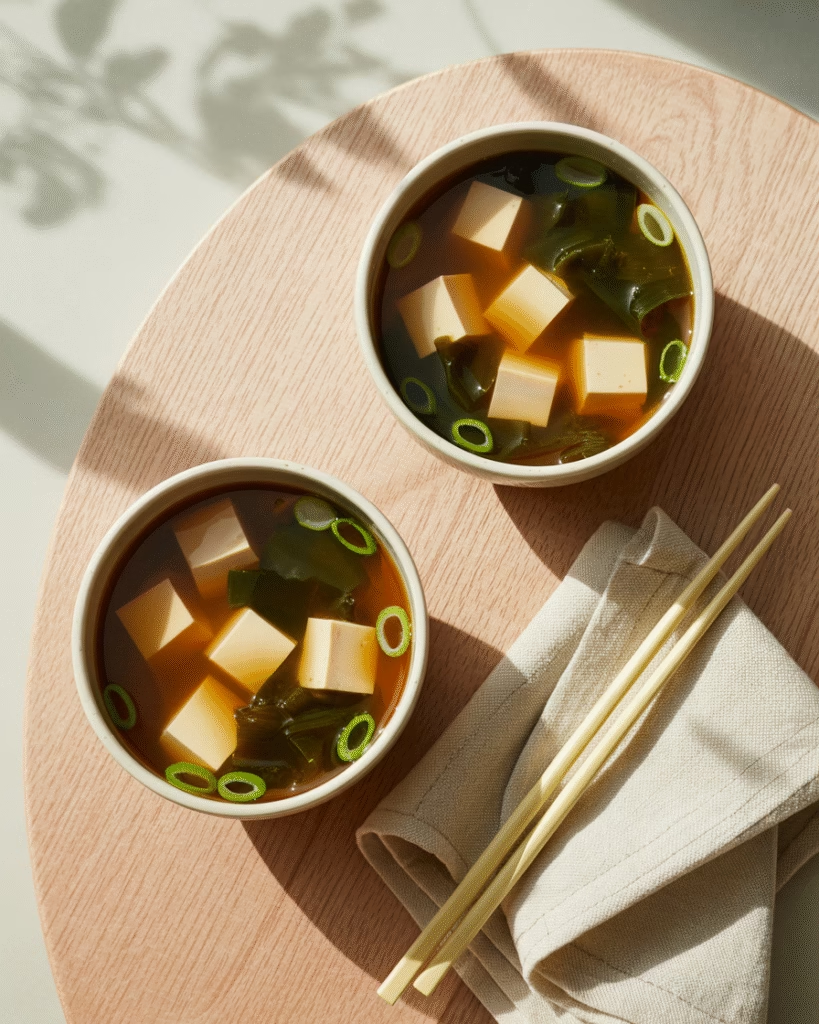
The beauty of miso soup is that it’s endlessly adaptable. Once you’ve mastered the basics, feel free to experiment with your own mix-ins. Here are some of my go-to additions:
- Mushrooms: Shiitake or enoki add earthiness and depth.
- Spinach or chard: For extra greens and color.
- Daikon radish or carrots: A nice, hearty crunch.
- Egg: Whisk it in for a silky, custardy texture (my secret for rainy days).
- Ginger or garlic: For a spicy kick.
- Noodles: Ramen or soba noodles turn it into a meal.
And here’s a fun twist: Want to make it creamy? Add a spoonful of tahini at the end. Trust me, it’s game-changing for veggie lovers.
Common Mistakes (And How to Avoid Them)
Making miso soup isn’t rocket science, but a few missteps can ruin your broth. Here are the big ones to watch for:
- Boiling the miso: This kills the good bacteria and dulls the flavor. Always add miso at the end and serve immediately.
- Using too much miso: Start small and taste as you go. You can always add more, but you can’t take it out!
- Ignoring the dashi: Skip the instant stock if you want the real deal. Homemade or good-quality dashi is worth the extra effort.
- Skipping the wakame: Wakame gives your soup that classic texture and flavor. If you don’t like seaweed, try spinach or another green.
My Favorite Variations
Once you’ve got the basic recipe down, try out these fun twists:
- Pork Miso Soup: Add tender pork slices and a bit of ginger for a hearty version.
- Chicken Miso Soup: Swap in shredded chicken and some crispy skin for extra flavor.
- Salmon Miso Soup: A pescatarian dream with salmon, mushrooms, and potatoes.
- Vegan Miso Soup: Skip the fish-based dashi and use mushrooms or veggie broth. Add lots of greens for a nutrient boost.
- Spicy Miso Soup: Toss in garlic, ginger, and a pinch of chili paste for a kick.
And don’t be afraid to use what you have on hand. Leftover veggies, tofu, or even noodles can turn a simple soup into a satisfying meal.
Serving and Enjoying
Miso soup is best enjoyed hot but not boiling. Let it cool for a minute before digging in—this lets the flavors shine. Serve it as a starter, a side, or even as a main with a bowl of rice. It’s the ultimate comfort food, whether you’re feeling under the weather or just need a cozy night in.
Pro move: Top with a sprinkle of ichimi togarashi (Japanese chili powder) if you like things spicy. Or keep it classic with just green onions and a dash of sesame oil.
FAQs: All Your Miso Questions Answered
- Can I make miso soup in advance? Technically yes, but I don’t recommend it. The flavors fade if reheated, and the probiotics are best when fresh.
- Is miso soup vegetarian? Not always—check your dashi and miso paste. Many miso pastes contain bonito (fish flakes), but there are plenty of vegan options.
- How long does miso soup last? Eat it within a day or two for the best flavor and probiotic benefits.
- Can I freeze miso soup? I wouldn’t. Freezing changes the texture and dulls the flavor.
Final Thoughts
Miso soup is one of those dishes that feels both simple and special. Whether you’re cooking for one or feeding a crowd, it’s quick, healthy, and endlessly customizable. I’ve lost count of how many times I’ve reached for a bowl when I needed comfort, warmth, or just a reminder that good food doesn’t have to be complicated.
So next time you’re craving something delicious and wholesome, give miso soup a try. Whip up a batch, tweak it to your taste, and enjoy every spoonful. And hey, if you burn the kombu once or twice (no judgment here!), just laugh it off and try again. After all, that’s what cooking’s all about—messing up, learning, and savoring the results. Happy cooking! 🙂
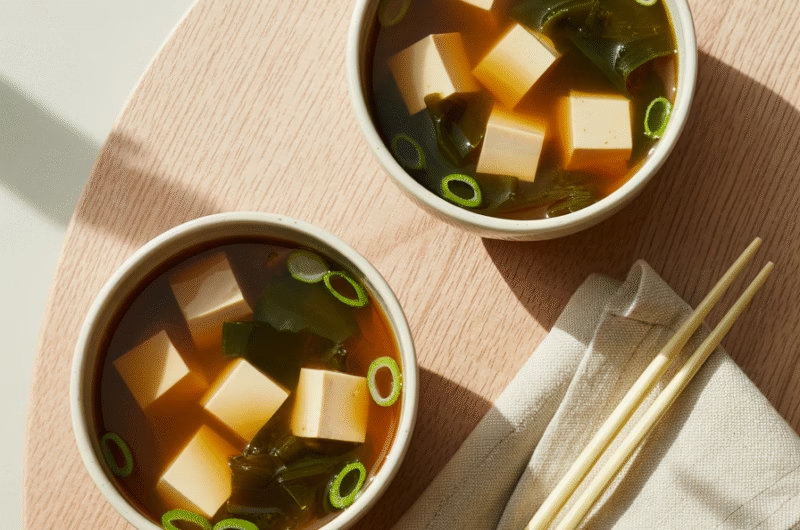
Warm & Easy Miso Soup Recipe (Ready in 10 Minutes!)
Course: SoupsCuisine: JapaneseDifficulty: Easy2
servings5
minutes5
minutes79
kcal10
minutesThis classic miso soup is a comforting, umami-rich bowl made with just a few simple ingredients. It’s quick, customizable, and perfect for any day when you need a warm, healthy boost. Whether you’re new to Japanese cooking or a seasoned pro, this recipe delivers big flavor with minimal fuss.
Ingredients
4 cups chicken stock or dashi
3 tablespoons white miso paste (shiro miso)
1 cup tofu, silken or medium firm, cubed
3 tablespoons green onions, finely chopped
Optional: wakame seaweed (soaked), mushrooms, spinach, or bok choy
Directions
- Pour the stock into a saucepan and bring it to a gentle simmer.
- Add the tofu cubes and let them warm through for 2–3 minutes.
- Place the miso paste in a small strainer and immerse it into the hot broth. Use chopsticks or a spoon to stir the paste until it dissolves completely.
- Never boil the soup after adding miso—this kills the probiotics and dulls the flavor.
- Turn off the heat, add the green onions (and any optional ingredients), and stir gently.
- Serve immediately for the best flavor and texture.
Notes
- Notes
Use white miso for a mild, sweet flavor. Red miso is stronger and saltier.
Feel free to add spinach, mushrooms, or bok choy for extra veggies.
Start with less miso and add more to taste—miso can be strong!
For a vegetarian version, use mushroom or vegetable broth instead of chicken stock. - Nutrition (per serving)
Calories: 79 kcal
Carbohydrates: 4g
Protein: 8g
Fat: 3g
Sodium: 836mg
Fiber: 1g
Sugar: 1g