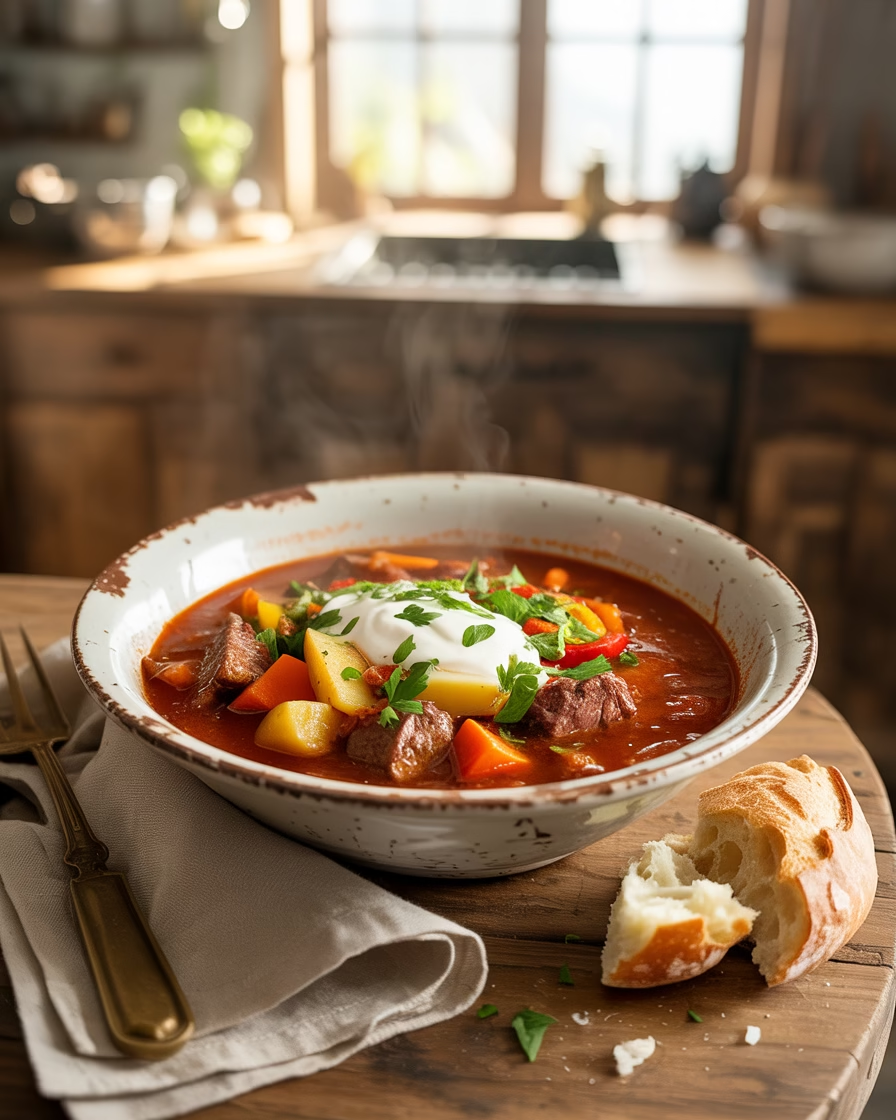
Hungarian goulash has earned a permanent spot in my winter rotation. If you haven’t tried it yet, trust me, it’s a hug in a bowl—especially when it’s made right. And let’s be honest, who doesn’t want a dish that’s hearty, simple, and bursting with the soul of Hungary? I’ve made this a bunch of times, tweaking here and there, and I’ll walk you through my favorite version so you can nail it every single time. Let’s jump right in, shall we?
Why Hungarian Goulash Is Worth Your Time
Hungarian goulash is more than just a stew. It’s the national dish of Hungary, a culinary icon that’s been warming people’s bellies since the 9th century. Back in the day, herdsmen in the Hungarian plains would throw whatever they had into a big pot over an open fire—beef, onions, peppers, and, eventually, paprika. The dish evolved, and now, thanks to paprika, it’s got that gorgeous red color and smoky, earthy flavor we all know and love.
IMO, what makes goulash so special is how comforting it is. It’s not fancy, it’s not complicated, and yet it feels like a celebration of simple ingredients. You could be feeling under the weather, hosting a casual dinner, or just in need of some serious comfort food—goulash covers all bases. Ever wondered why this dish became so iconic? Well, the answer’s in the paprika. Once it was introduced by the Turks in the 16th century, Hungarian cuisine was never the same.
What Makes an Authentic Hungarian Goulash
Okay, so here’s the deal: if you want an authentic Hungarian goulash, you need to stick to the basics. No shortcuts. That means real Hungarian paprika, plenty of onions, good beef, and those slow-cooked flavors. And FYI, if you skip the paprika or use the cheap stuff, you’re not getting the real deal. It’s just not the same.
The Holy Grail Ingredients
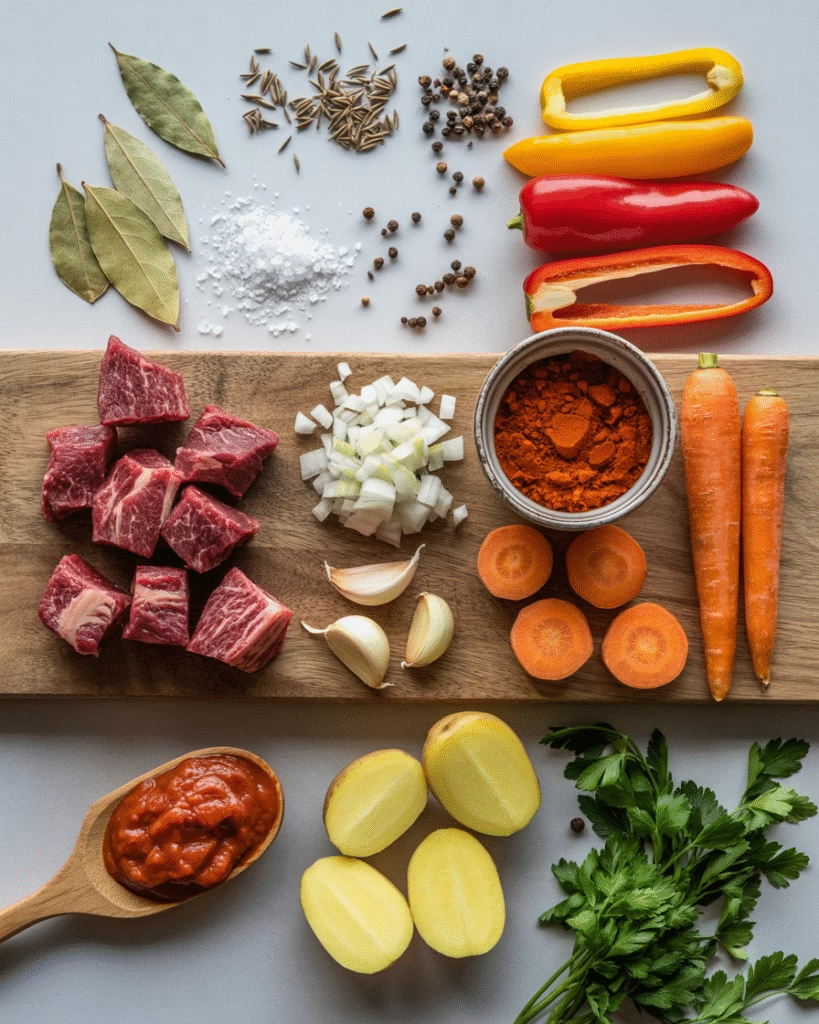
- Pork lard or bacon fat: Traditionally, this is used to sauté the onions and beef. It gives a rich, almost smoky flavor that’s hard to beat. Butter or oil works, but lard is the classic choice.
- Hungarian sweet paprika: This is the star. Don’t go for any old paprika—get genuine Hungarian sweet paprika. It makes all the difference.
- Beef: Go for stewing beef, like chuck roast. The cut should be marbled and a bit tough so it breaks down nicely during slow cooking.
- Onions: They get caramelized, so use a lot. Seriously, pile them high.
- Vegetables: Red and yellow bell peppers, tomatoes, carrots, and potatoes. These add color, texture, and sweetness.
- Garlic and caraway seeds: These are flavor boosters, but not essential everywhere. Caraway is more traditional in certain regions.
My Favorite Recipe: Step-by-Step
Alright, enough chit-chat. Let’s get cooking. This is my go-to version, the one I come back to again and again.
Prep Time & Ingredients
- 3 tablespoons pork lard or butter
- 2 large yellow onions, chopped
- 2 pounds beef chuck, cut into 1-inch cubes
- 4 tablespoons Hungarian sweet paprika
- 1 tablespoon tomato paste (optional, for a richer flavor)
- 3 cloves garlic, minced
- 2 red bell peppers, diced
- 2 yellow bell peppers, diced
- 3 carrots, diced
- 2 medium potatoes, cut into chunks
- 4-5 cups beef broth (or water for a more traditional touch)
- 2 bay leaves
- Salt and pepper to taste
- 1 teaspoon ground caraway seeds (optional)
- Fresh parsley for garnish
The Cooking Process
Sautéing Onions and Beef
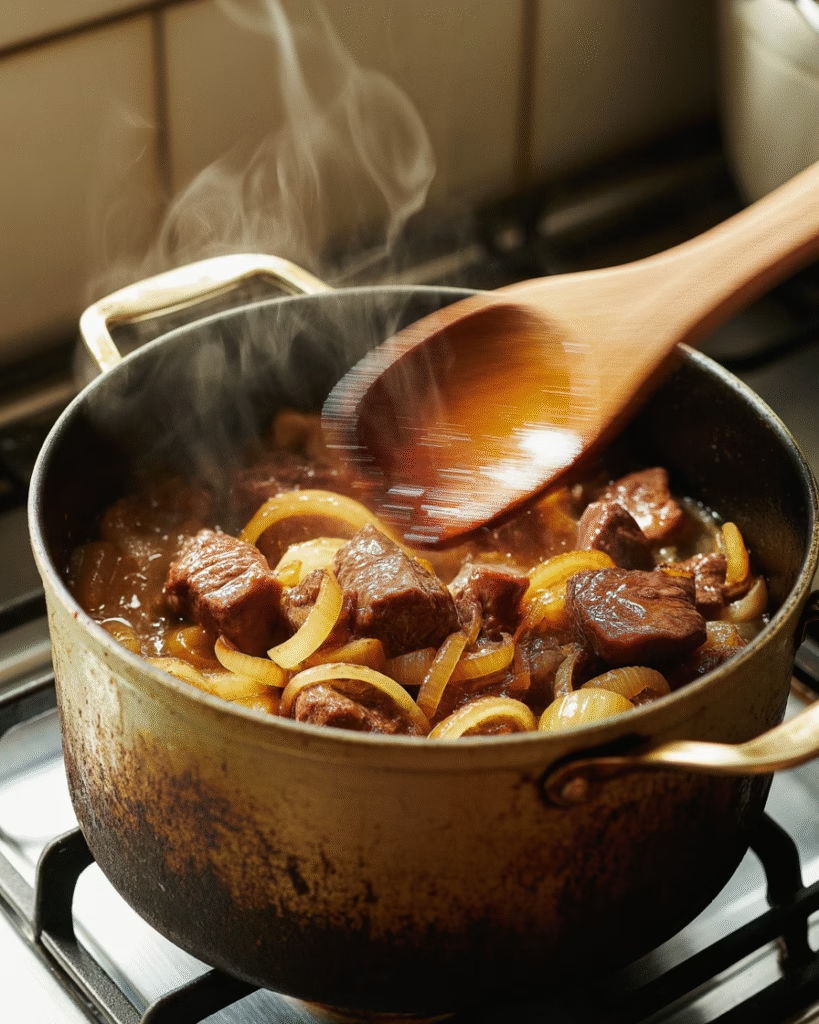
First, melt the pork lard in a big, heavy pot over medium heat. Add those onions and let them cook until they’re golden brown and sweet—this takes about 10-15 minutes. The key here is patience; don’t rush the onions. Once they’re caramelized, add the beef and cook until it’s browned on all sides. This builds up flavor in every bite.
Paprika & Seasonings
Once the beef is browned, stir in the paprika. Don’t let it burn! If you see it getting too dark, lower the heat. Add the tomato paste if you’re using it, and give it a good stir. This is where the magic starts—your kitchen will smell amazing.
Vegetables and Broth
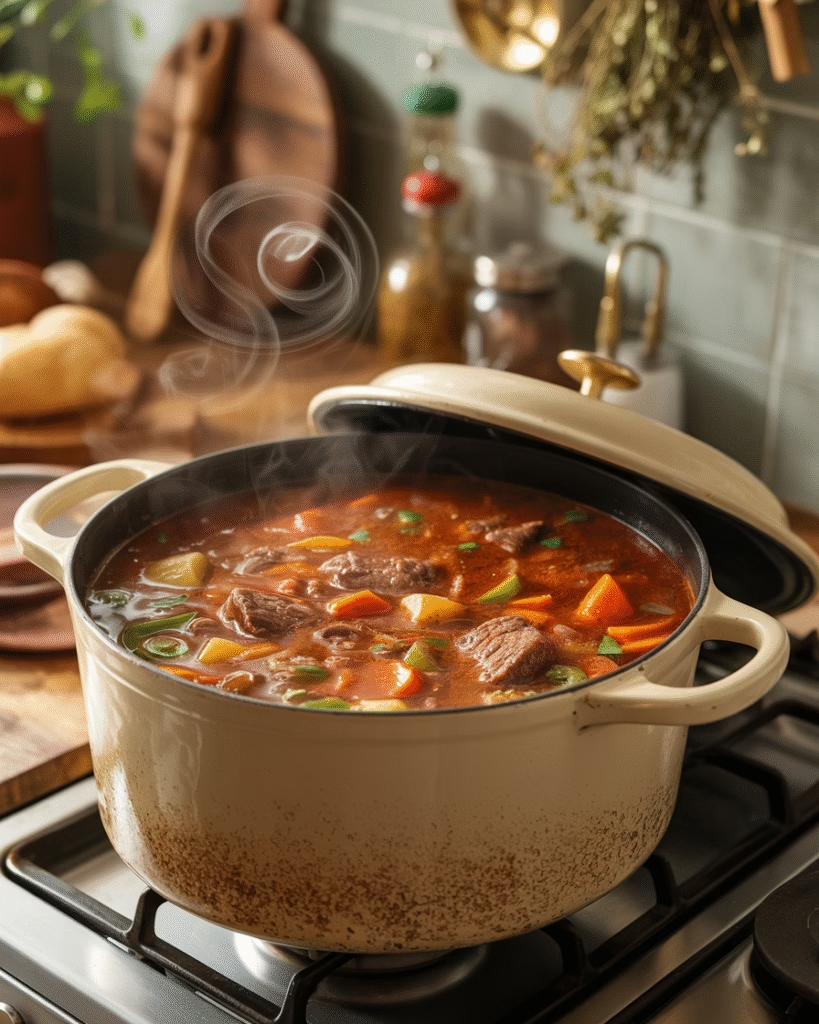
Toss in the garlic, peppers, carrots, and potatoes. Stir everything together, then pour in the beef broth (or water). Add the bay leaves, salt, pepper, and caraway seeds. Bring it to a boil, then lower the heat and let it simmer for about 1.5 to 2 hours. The longer you cook it, the more tender and flavorful it gets.
Finishing Touches
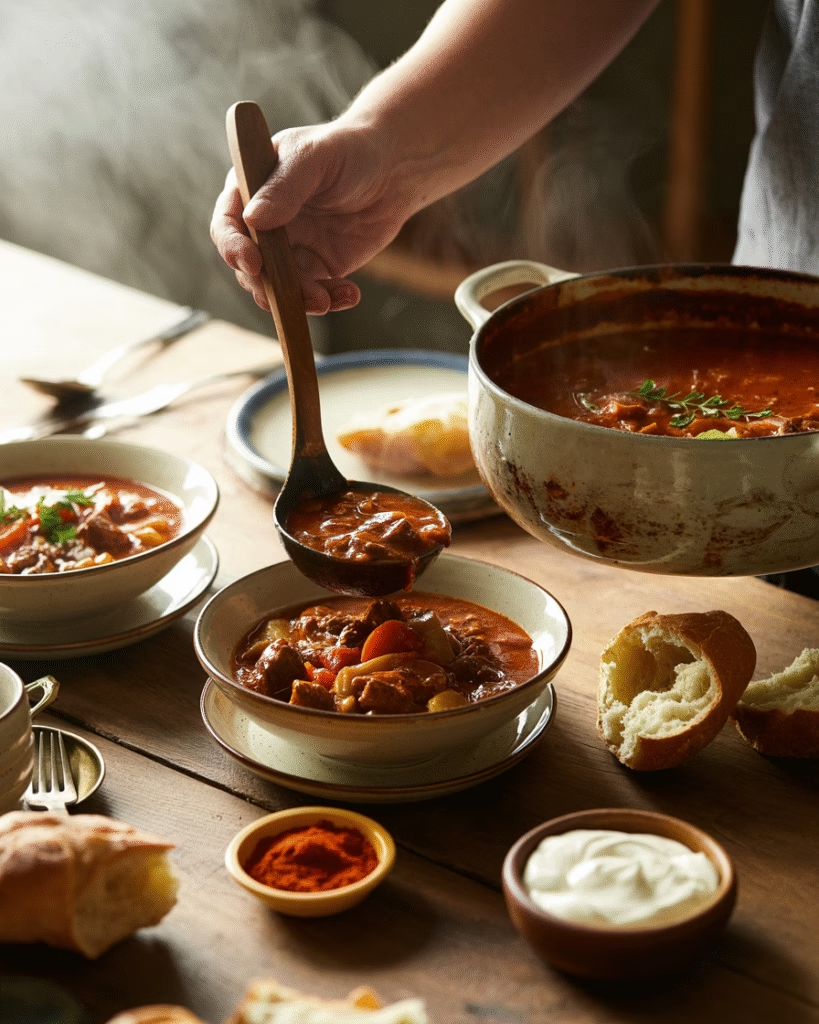
Once the beef is fork-tender and the vegetables are soft, taste and adjust the seasoning. If you like, stir in a little more paprika or a splash of broth to get the right consistency. Serve it in a big bowl, topped with fresh parsley. If you want to go full traditional, a dollop of sour cream on top is heavenly.
Tips, Tricks, and Little Secrets
Hungarian goulash is all about technique and attention to detail. Here are some insider tips to help you nail it:
- Don’t rush the onions. Caramelized onions are the backbone of the flavor. Let them take their time.
- Paprika burns easily. Keep the heat low when adding it, and stir constantly.
- Use good beef. The better the cut, the better the stew.
- Simmer low and slow. This is not a dish to rush. The flavors develop as it cooks.
- Season as you go. Taste and adjust throughout the cooking process.
- Serve with crusty bread. You’ll want something to mop up all that delicious broth.
Why You’ll Love This Dish
Let’s face it: sometimes cooking feels like a chore. But goulash is the exception. It’s forgiving, it’s hearty, and it rewards patience. I’ve made this for friends, family, and even myself on lazy Sundays, and it never fails to impress. It’s the kind of dish that makes you feel like a kitchen wizard, even if you’re just following a simple recipe.
Plus, think about how versatile it is. Serve it with noodles, mashed potatoes, or even over rice. Leftovers? Even better. Goulash tastes even more flavorful the next day, as the spices continue to meld and deepen.
The Cultural Backstory
Goulash isn’t just food; it’s history on a plate. Originally, it was a peasant dish made by herdsmen who had nothing but what was on hand—meat, onions, and a bit of paprika. Over time, it became a national treasure, a symbol of Hungarian identity and resilience. Nowadays, Hungary is so proud of goulash that they’re trying to get it recognized by UNESCO as an intangible cultural heritage.
So, when you make goulash, you’re not just making a stew. You’re connecting with centuries of tradition, of hardship, and of comfort. Pretty cool, right?
Final Thoughts & Encouragement
Hungarian goulash is one of those dishes that’s both simple and deeply satisfying. It’s easy enough for beginners, but rich enough to impress seasoned foodies. The best part? It’s almost impossible to mess up. So, if you’re feeling a bit chilly or just need a comforting meal, give this recipe a try.
Honestly, once you’ve tasted real Hungarian goulash, you’ll wonder why you didn’t try it sooner. It’s hearty, flavorful, and full of soul. Plus, it’s a dish that brings people together, whether you’re sharing it with friends or enjoying a quiet night in.
So, what are you waiting for? Grab your pot, fire up the stove, and let’s make some goulash. You’ll thank me later. And hey, if you nail it, drop me a note or tag me on social media—I’d love to see your creations! Let’s keep the spirit of Hungarian goulash alive, one delicious bowl at a time. 🙂
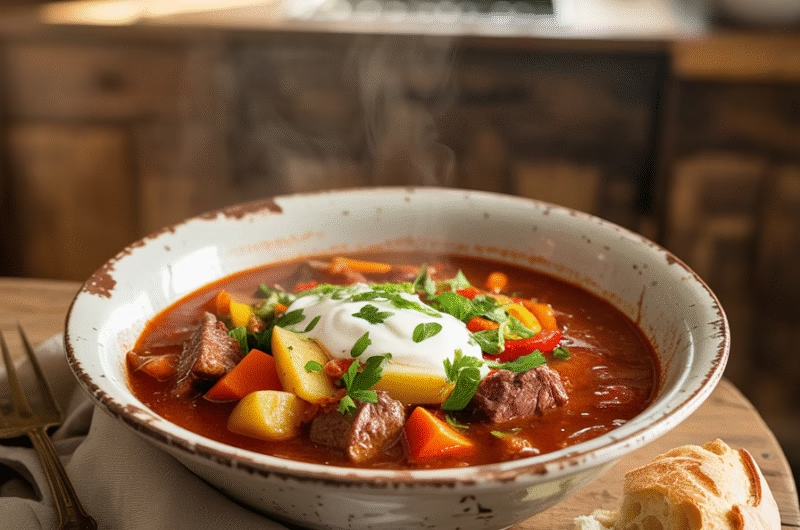
Hungarian Goulash: The Ultimate Comfort Stew You’ll Crave All Winter
Course: MainCuisine: HungarianDifficulty: Easy6
servings15
minutes2
hours320
kcal2
hours15
minutesA classic, hearty Hungarian goulash made with tender beef, caramelized onions, sweet paprika, and chunky vegetables. Slow-cooked to perfection, this comforting stew is the ultimate cold-weather meal.
Ingredients
3 tablespoons pork lard or butter
2 large yellow onions, chopped
2 pounds beef chuck, cut into 1-inch cubes
4 tablespoons Hungarian sweet paprika
1 tablespoon tomato paste (optional)
3 cloves garlic, minced
2 red bell peppers, diced
2 yellow bell peppers, diced
3 carrots, diced
2 medium potatoes, cut into chunks
4–5 cups beef broth (or water)
2 bay leaves
Salt and pepper to taste
1 teaspoon ground caraway seeds (optional)
Fresh parsley, chopped (for garnish)
Sour cream (for serving, optional)
Directions
- Melt the pork lard or butter in a large, heavy pot over medium heat. Add the onions and cook until golden brown and caramelized (about 10–15 minutes).
- Add the beef cubes and brown on all sides.
- Stir in the paprika (and tomato paste, if using). Cook for 1 minute, stirring constantly to avoid burning.
- Add the garlic, bell peppers, carrots, and potatoes. Stir to combine.
- Pour in the beef broth (or water) until the ingredients are just covered. Add bay leaves, salt, pepper, and caraway seeds.
- Bring to a boil, then reduce heat and simmer for 1.5–2 hours, or until the beef is fork-tender and the vegetables are soft.
- Taste and adjust seasoning. If desired, stir in a little more paprika or broth for consistency.
- Serve hot, garnished with fresh parsley and a dollop of sour cream.
Notes
- Notes
For best results, use genuine Hungarian sweet paprika.
Leftovers taste even better the next day as flavors meld.
Serve with crusty bread or over noodles for a heartier meal.
I’ve enjoyed the dish , perfect for a hearty meal on a cold day