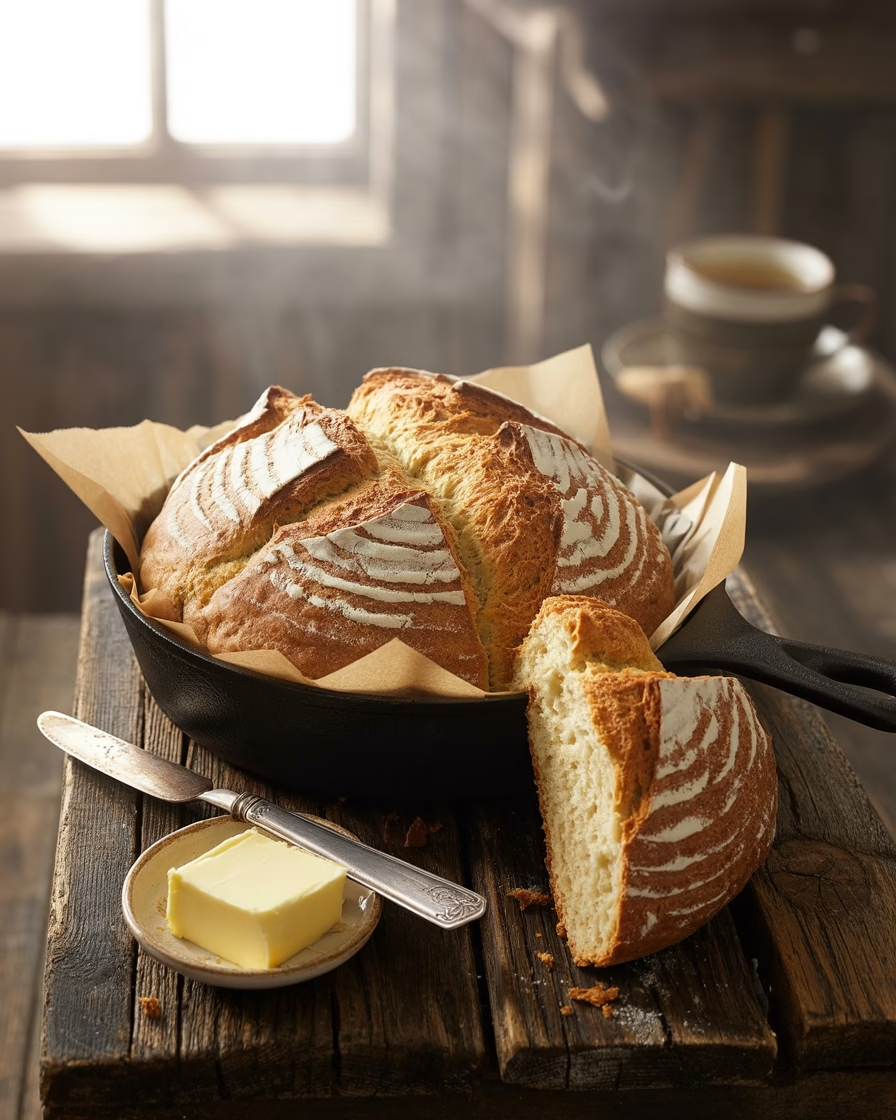
You want an irish soda bread recipe that actually works, doesn’t demand a sourdough starter named “Gerald,” and won’t keep you trapped in your kitchen all day—right? Same. I started making soda bread on weeks when I wanted fresh bread fast, and I refused to babysit yeast like it’s a needy houseplant.
This loaf feels like a magic trick: flour + buttermilk + baking soda = bread, somehow. Ever wondered why it comes together so ridiculously fast? Let’s make a warm, crusty loaf you can brag about like you churned butter at sunrise (you didn’t, and that’s fine).
What Irish Soda Bread Is
Irish soda bread skips yeast and uses baking soda for lift instead. That means no proofing, no waiting, and no “why didn’t my dough rise?” existential crisis. You mix, shape, bake, and suddenly your kitchen smells like you know what you’re doing.
Traditional Irish soda bread keeps things simple—flour, salt, baking soda, and buttermilk. People often add raisins or caraway seeds, especially outside Ireland, and I won’t call the bread police on you. Do you want a rustic loaf that tastes amazing with butter and jam? Then you’re in the right place.
Soda bread also nails that “cozy” vibe with very little effort. Who doesn’t want low-effort comfort carbs on demand?
Ingredients You Need
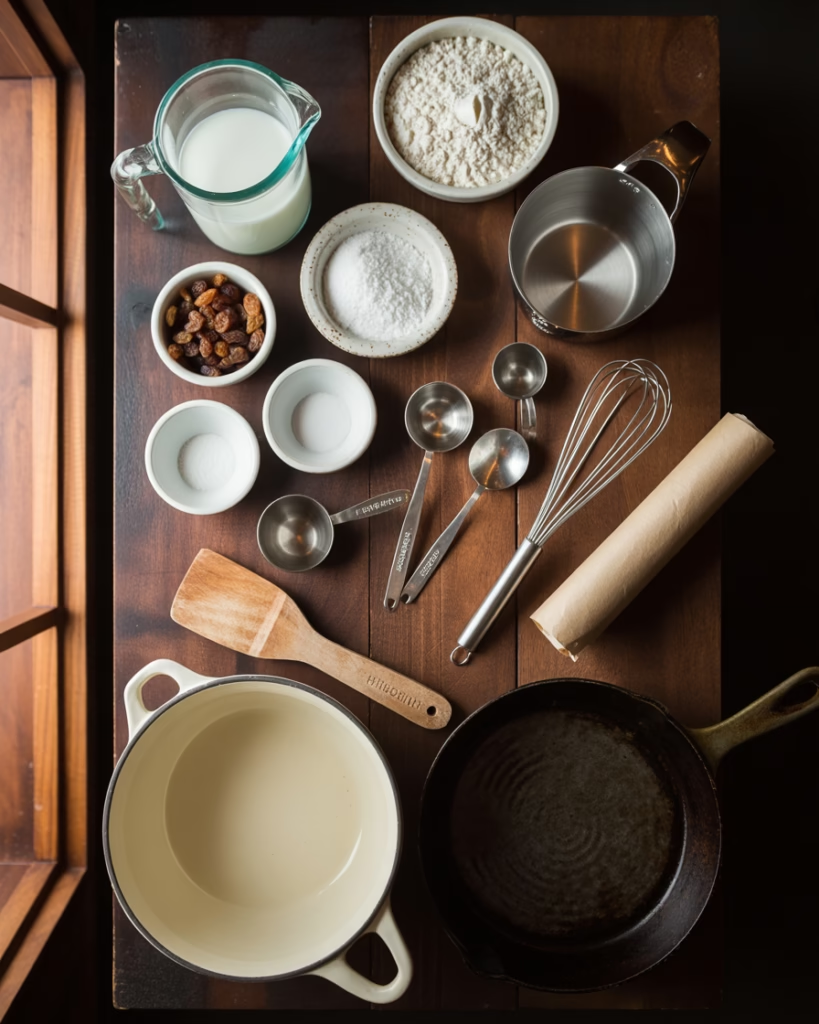
This irish soda bread recipe uses pantry basics, and the ingredient list stays short on purpose. You don’t need bread flour, specialty equipment, or a dramatic backstory.
Here’s what you’ll use:
- All-purpose flour: 4 cups, plus extra for dusting
- Baking soda: 1 teaspoon
- Salt: 1 teaspoon
- Buttermilk: 143 cups, cold
Optional add-ins (choose your adventure):
- Unsalted butter: 2 tablespoons, cold and cubed (slightly richer crumb)
- Sugar: 1–2 tablespoons (helps browning, subtle sweetness)
- Raisins/currants: 3/4 cup (for “spotted dog” style)
- Caraway seeds: 1–2 teaspoons (earthy, classic)
If you ask me, the basic version tastes the most “honestly Irish,” but the raisin version slaps with tea. IMO, you should make whichever one you’ll actually eat. 🙂
The Key Technique: Don’t Overwork the Dough
Soda bread rewards a light touch and punishes overmixing. When you knead it like pizza dough, you turn it tough and chewy, and nobody wants that. Ever bitten into “bread” that fights back? Yeah, let’s not.
You want the dough to look shaggy and slightly sticky. You also want to handle it like it feels fragile—because it kind of does. The less you mess with it, the more tender your crumb stays.
A quick rule I follow: I stop mixing the second the flour disappears. I don’t chase perfection here, because soda bread loves “good enough.”
Step-by-Step Irish Soda Bread Recipe
You can bake this in about 35–45 minutes, start to finish. That includes mixing. Yeast bread could never.
Prep Your Oven and Pan
- Heat your oven to 425∘F (220∘C).
- Line a baking sheet with parchment, or lightly flour a cast-iron skillet.
I like cast iron because it gives a bold crust and makes me feel rustic and capable. Do I sometimes use a baking tray anyway? Absolutely.
Mix the Dry Ingredients
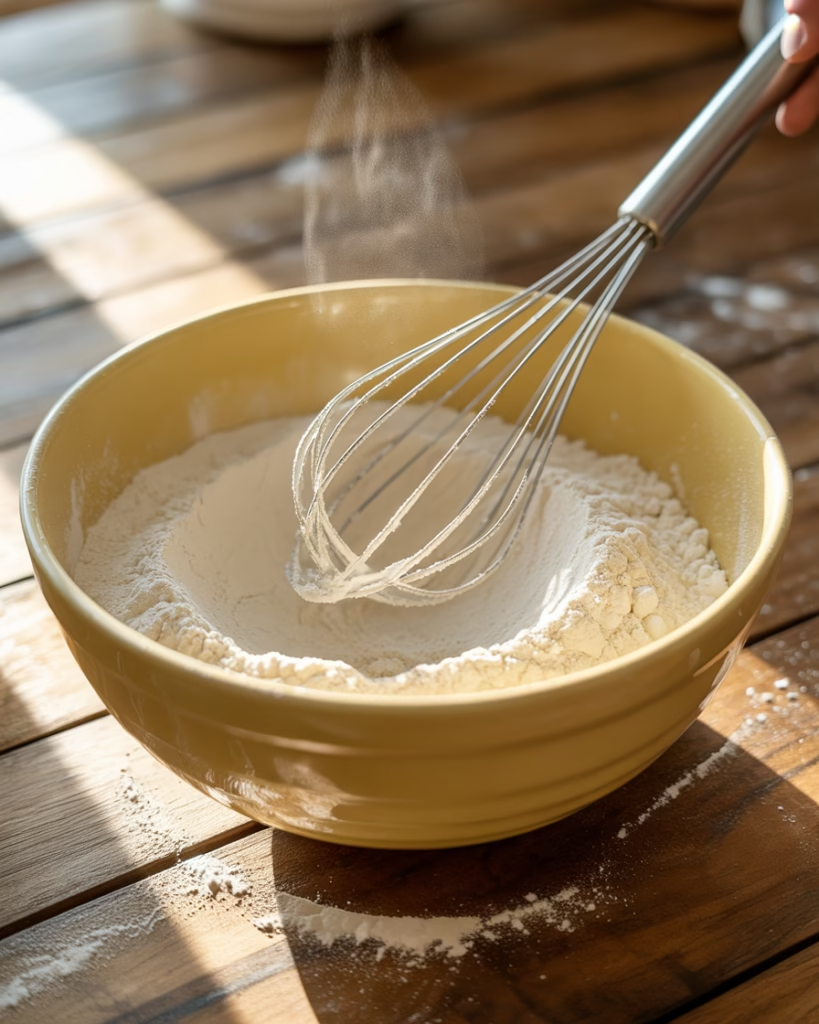
- Add flour, baking soda, and salt to a large bowl.
- Whisk well so the baking soda spreads evenly.
You want even distribution because random soda pockets taste… not great. Ever tasted a bite that screams “metallic disappointment”? Exactly.
Add Buttermilk and Form the Dough
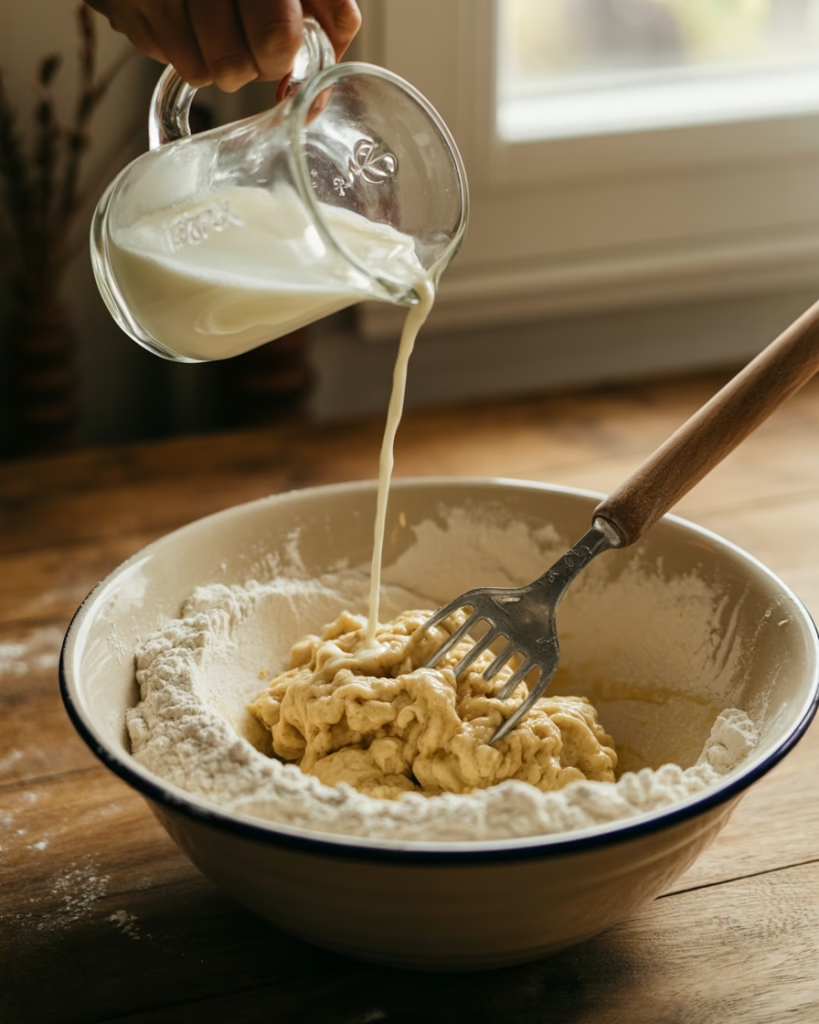
- Pour in the buttermilk.
- Stir with a fork or your hand until the dough clumps.
- Add optional raisins or caraway now, if you use them.
If the dough looks too dry, add buttermilk 1 tablespoon at a time. If it looks too wet, sprinkle a little flour on top and keep moving.
FYI, you don’t need a mixer. Your hand works perfectly, and cleanup stays easier.
Shape the Loaf (Gently)
- Dust a counter with flour.
- Turn out the dough and bring it together with a few quick folds—about 6–8 turns max.
- Shape into a round about 6–7 inches wide.
You don’t need a perfect sphere. Rustic looks intentional, and nobody questions it.
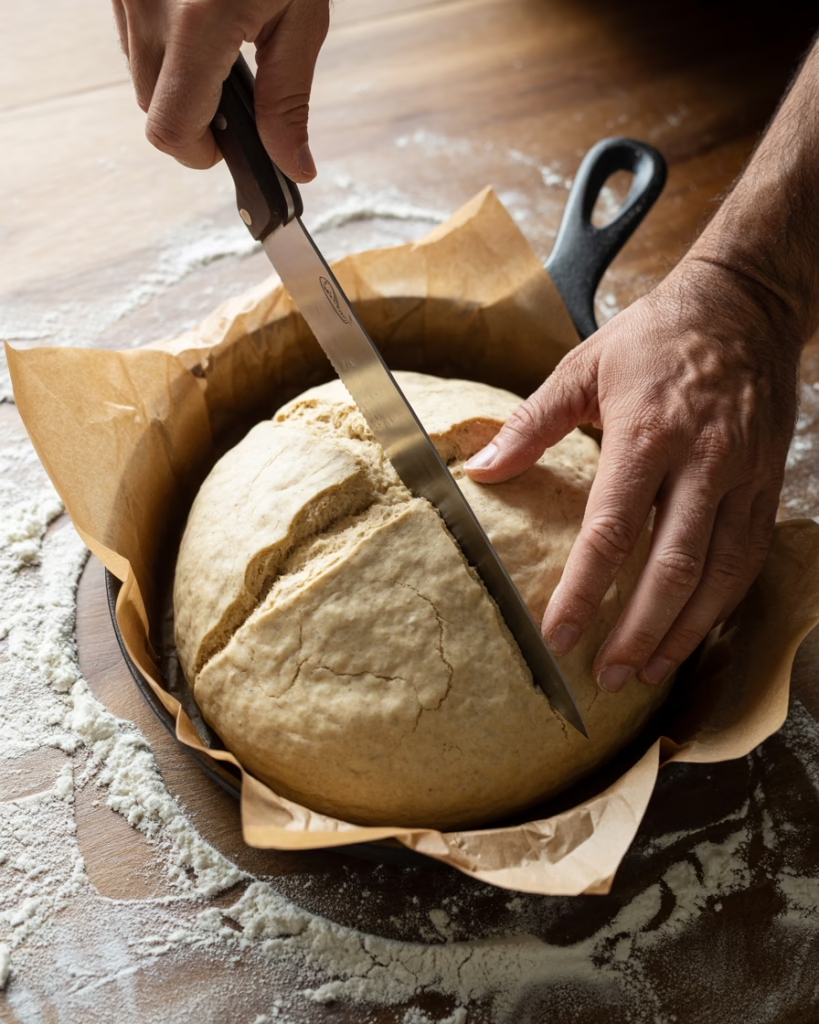
Score the Top (Don’t Skip This)
- Place the loaf on your pan or skillet.
- Cut a deep cross on top, about 1/2 to 3/4 inch deep.
The cross helps the loaf expand and bake evenly. People also say it “lets the fairies out,” and honestly, I support any baking step that involves folklore and vibes.
Bake Until Deep Golden
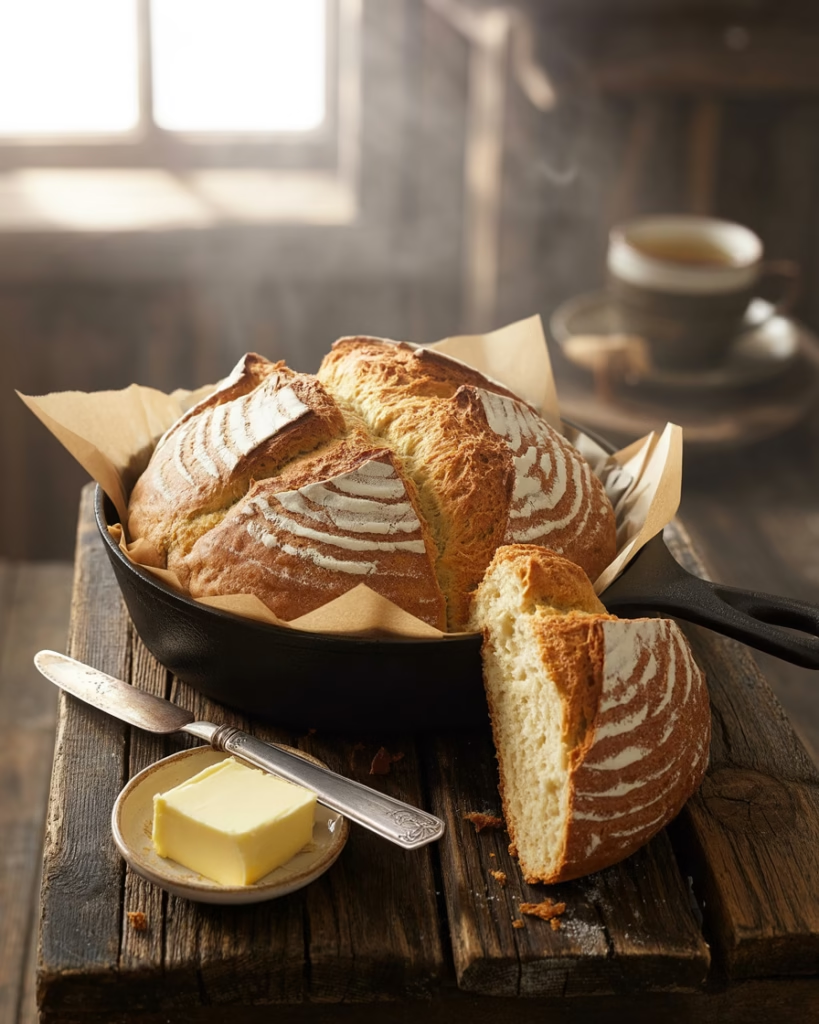
- Bake at 425∘F (220∘C) for 30–40 minutes.
- Check doneness by tapping the bottom—if it sounds hollow, you nailed it.
If the top browns too fast, tent it loosely with foil for the last 10 minutes. I’ve watched many loaves go from “golden” to “why does it smell like regret?” in record time, so keep an eye on it.
What to Expect: Texture, Taste, and Crust
This irish soda bread recipe gives you a bold crust and a tender, slightly dense crumb. You won’t get the stretchy, airy interior of yeast bread, and that’s the point. Soda bread tastes hearty, clean, and satisfying—especially warm.
The flavor leans mildly tangy from buttermilk. If you add sugar and butter, you get a richer, more “scone-like” vibe. If you keep it plain, you get the rustic loaf that pairs with literally everything.
And yes, you should eat the first slice with butter. That isn’t a suggestion; that’s tradition (made up by me, but still correct).
Buttermilk Substitutes (Because Life Happens)
Sometimes you want soda bread and you don’t want a grocery run. I respect that. You can fake buttermilk in a pinch.
Quick substitutes:
- Milk + lemon juice: Add 1 tablespoon lemon juice to 1 cup milk, rest 5–10 minutes
- Milk + vinegar: Same ratio as above
- Plain yogurt + water: Thin yogurt with a little water until it pours like buttermilk
Will it taste identical? No. Will you still get a solid loaf? Yes.
Common Mistakes (And How to Avoid Them)
Even simple bread has a few traps. Luckily, you can dodge them easily.
- Overmixing the dough: Mix just until combined for a tender crumb
- Using warm buttermilk: Keep it cold for better structure and less stickiness
- Skipping the score: The loaf can crack randomly and bake unevenly
- Underbaking: Bake until you get a deep golden crust and a hollow sound
- Storing it wrong: Wrap well once cool so it doesn’t turn into a brick
Ever had soda bread the next day that felt like a self-defense tool? Proper storage fixes that.
How to Serve Irish Soda Bread (Best Pairings)
I eat this bread in ways that feel slightly excessive, and I stand by all of them. The loaf shines when you keep it simple and let the crust do its thing.
My favorite serving ideas:
- Warm slices with salted butter and jam
- With stew or soup (it basically begs for dunking)
- Toasted the next day with honey
- With sharp cheddar if you made it plain
- With tea if you added raisins (very cozy, very “main character”)
Do you want the best experience? Slice it once it cools for 10–15 minutes… or slice it immediately and accept a slightly crumbly interior like the rest of us. :/
How to Store It (So It Stays Good)
Soda bread tastes best the day you bake it. I won’t lie to you and claim it “improves overnight” like some mysterious stew. Still, you can keep it enjoyable for a couple days.
- Store at room temp in a bag or wrapped tightly for up to 2 days
- Toast slices on day 2 for the best texture
- Freeze slices for up to 2 months, then toast straight from frozen
If you plan ahead, slicing before freezing saves you from hacking at a frozen loaf later like you audition for an action movie.
Final Thoughts: Make It Once, Then Make It Yours
This irish soda bread recipe keeps bread baking fun, quick, and low-drama. You’ll mix simple ingredients, treat the dough gently, score a confident cross on top, and bake a loaf that looks rustic on purpose. You’ll also learn the best secret in baking: speed counts when cravings hit.