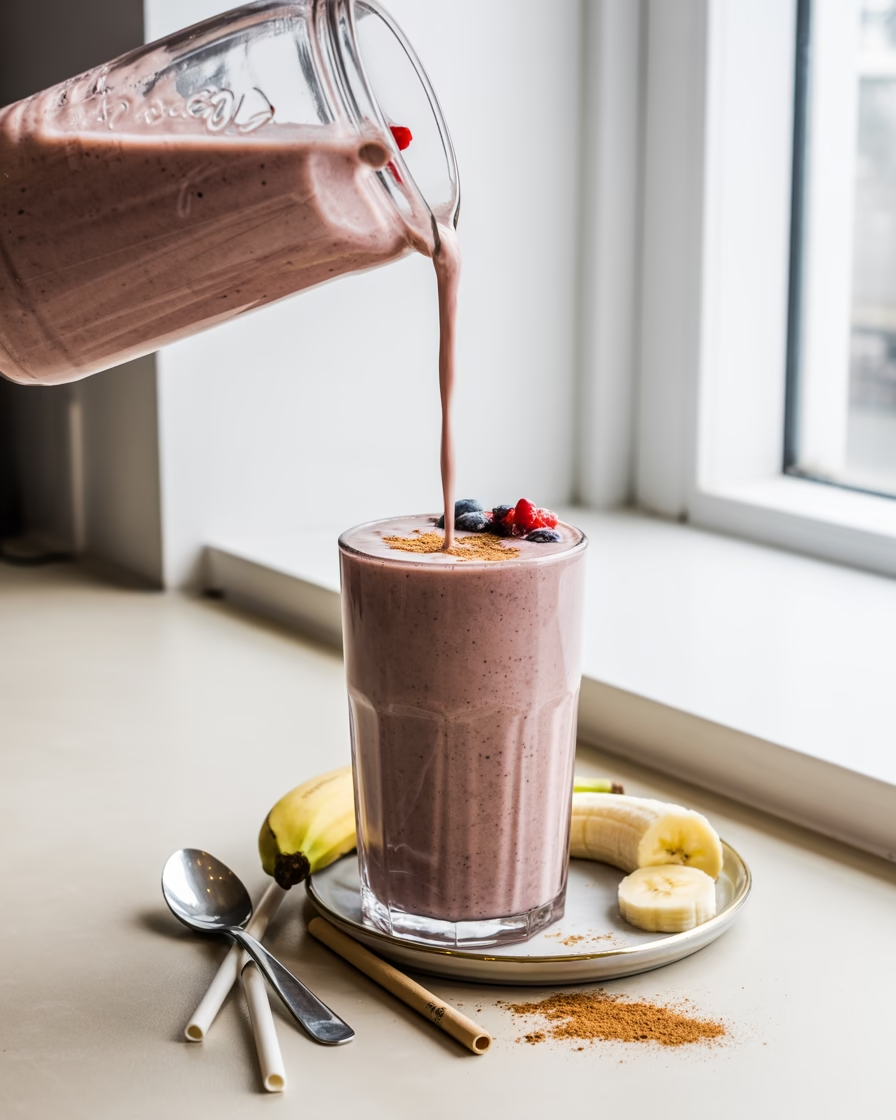
You know that mid‑morning slump where your brain feels like it’s running on a single AA battery? Or that post‑workout craving that makes you eye the snack cupboard like it owes you something? That’s where a protein smoothie with Greek yogurt swoops in like a hero in a slightly lumpy, delicious costume.
I’ve been making some version of this smoothie on repeat for years—breakfast, snack, post‑gym refuel—you name it. And honestly? It’s one of the easiest ways to cram real protein, good carbs, and a decent amount of fiber into a single glass without feeling like you’re “dieting.”
In this post, I’m sharing my go‑to protein smoothie with Greek yogurt recipe, plus why it works, how to tweak it for your taste, and what to avoid if you want to dodge the “thick chalky disaster” smoothie.
Why Greek Yogurt Works So Well in Protein Smoothies
Greek yogurt isn’t just a fancy, Instagram‑friendly dairy product. It actually does a lot of heavy lifting in a smoothie:
- Thick, creamy texture without needing tons of ice or frozen fruit.
- High in protein—you get roughly 15–20g of protein per cup depending on the brand.
- Contains beneficial probiotics that support gut health, FYI.
- Balances sweetness so the smoothie doesn’t taste like straight sugar.
If you’re aiming for a protein‑packed smoothie, Greek yogurt is your secret weapon. It’s also way easier to find than protein powders in some places, and it blends beautifully with almost any fruit.
My Go‑To Protein Smoothie with Greek Yogurt Recipe
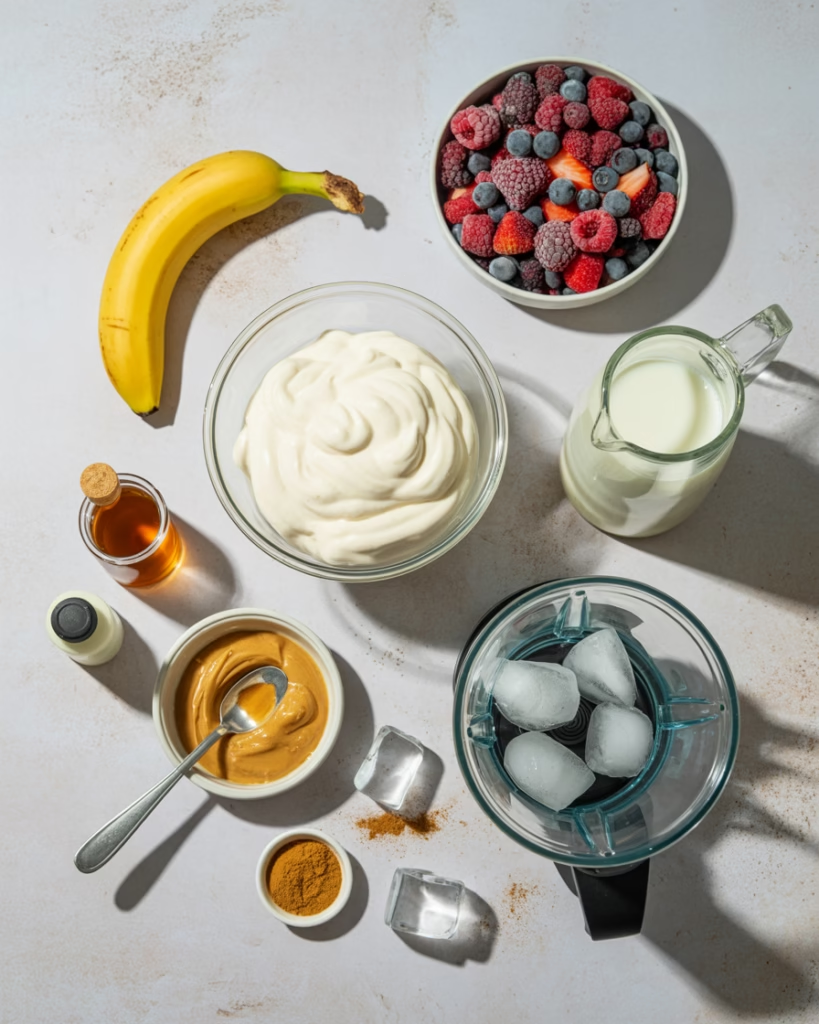
Here’s the version I make on rotation. It’s not fancy, but it is effective and actually delicious.
Ingredients (1 serving)
- 1 cup plain Greek yogurt (I prefer full‑fat, but low‑fat works too)
- 1 medium banana (fresh or frozen)
- 1/2 cup frozen mixed berries (strawberries, blueberries, raspberries)
- 1/2 cup unsweetened almond milk (or any milk you like)
- 1–2 tablespoons natural peanut butter or almond butter
- 1 scoop vanilla protein powder (optional, but great if you want extra protein)
- 1/2 teaspoon ground cinnamon
- A splash of vanilla extract (optional)
- A handful of ice cubes (if your fruit isn’t frozen)
Instructions
- Add the Greek yogurt and milk to your blender first.
- Toss in the banana, frozen berries, nut butter, and protein powder (if using).
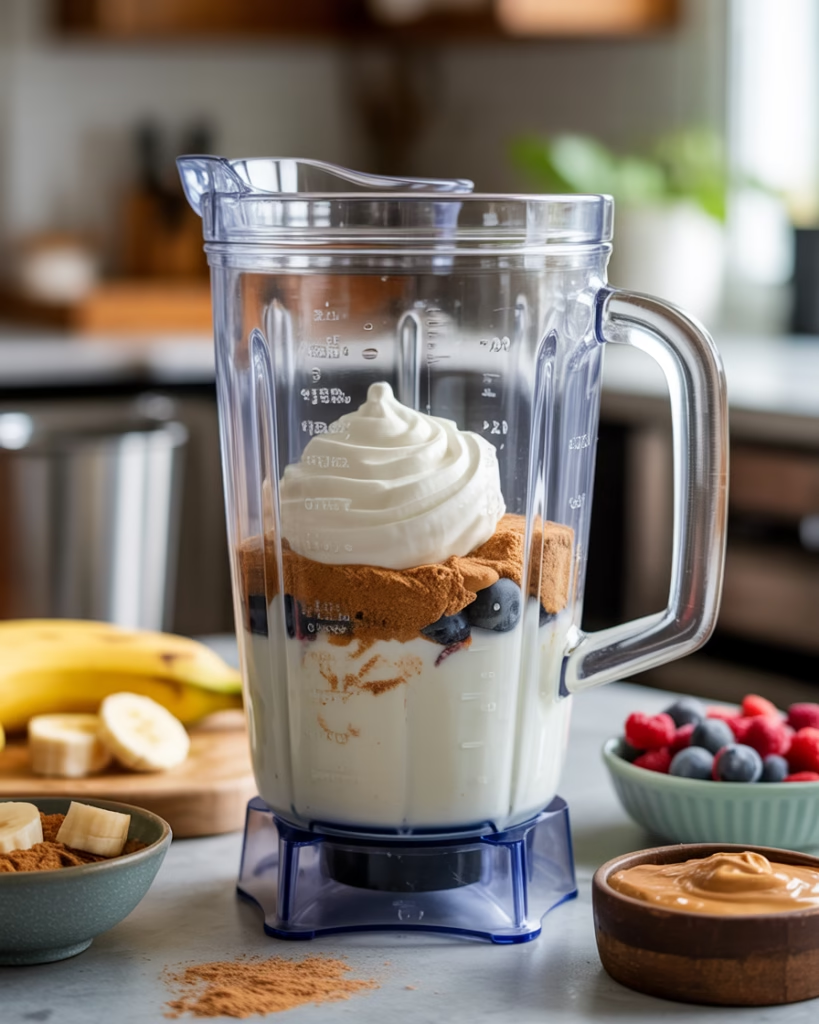
- Sprinkle in the cinnamon and add the vanilla extract if you’re feeling fancy.
- Top with ice cubes if needed, then blend until smooth.
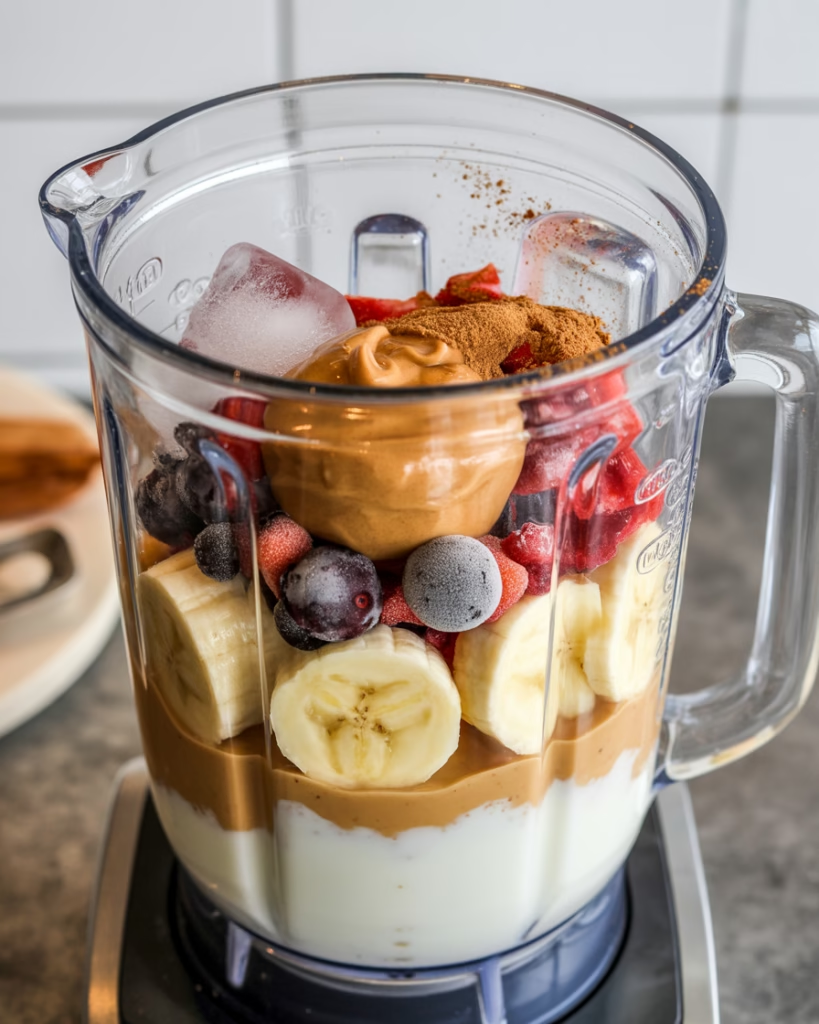
- Taste and adjust: add a touch more milk if it’s too thick, or a teaspoon of honey/maple syrup if you want it a bit sweeter.
There you go. Boom. Protein smoothie with Greek yogurt, done.
It’s thick enough to feel like a “treat,” but healthy enough that you won’t feel guilty about drinking it instead of grabbing a pastry.
Why This Combination Rocks
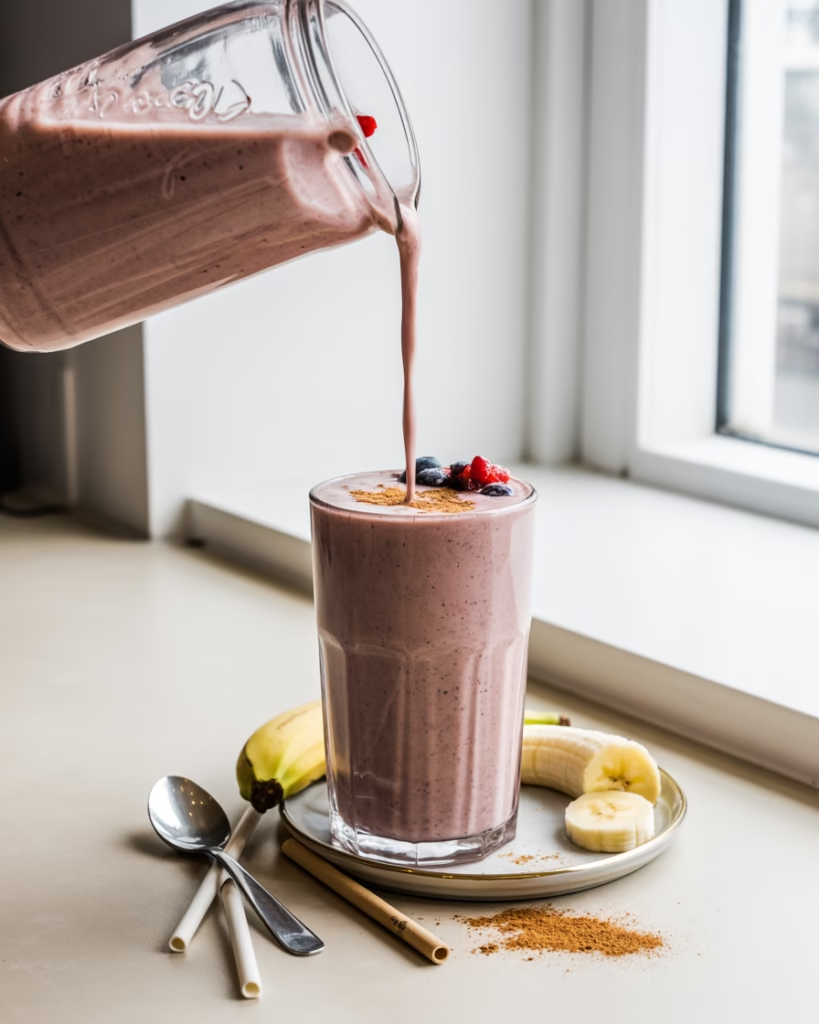
Let’s break down why this combo hits the sweet spot (pun intended) for taste, texture, and nutrition.
Smoothie Texture
Ever made a smoothie that tastes good but feels like it’s trying to escape the glass? With Greek yogurt and frozen banana, you get:
- A thick, almost milkshake‑like consistency
- No need for 10 extra ingredients just to make it creamy
- A satisfying mouthfeel that keeps you full longer
Basically, it feels like you’re drinking something indulgent, but you’re actually feeding yourself real nutrients.
Protein Power
Between the Greek yogurt and optional protein powder, you’re easily looking at:
- Around 20–25g of protein per serving
- Slow‑digesting protein that helps with muscle recovery and keeping you full
If you’re using the smoothie as a post‑workout drink, that much protein is a solid sweet spot for most people. It’s also great if you’re trying to manage your weight and need something that won’t spike your blood sugar.
How to Customize This Recipe to Your Taste
One of the best things about this protein smoothie with Greek yogurt is how flexible it is. You can tweak it endlessly without losing the protein punch.
Fruit Swaps
- Instead of banana, try mango or pineapple for a tropical twist.
- Swap berries for peaches, cherries, or even apple + spinach for a low‑sugar option.
- For a chocolate vibe, blend in unsweetened cocoa powder and use a chocolate protein powder.
Add‑Ins for Extra Nutrition
- Handful of spinach or kale – you won’t taste it, but you’ll feel like a superhero.
- Chia seeds or flaxseeds – add fiber and healthy fats.
- Handful of oats – makes the smoothie more filling and gives you sustained energy.
- Scoop of nut butter – adds flavor and healthy fats, plus a little extra protein.
Adjusting Thickness and Sweetness
- Too thick? Add more milk or water.
- Too thin? Add more frozen fruit or a few ice cubes.
- Not sweet enough? A drizzle of honey, maple syrup, or a couple of pitted dates will fix that.
There’s no “wrong” way to make this, as long as you’re not turning it into a sugar bomb. IMO the key is starting slightly less sweet and adjusting at the end.
Greek Yogurt vs. Regular Yogurt in Smoothies
You might wonder: can’t I just use regular yogurt? Technically, yes. But there are some real differences.
Key Differences
- Greek yogurt has more protein and less sugar than regular yogurt.
- Greek yogurt is thicker and creamier, which is great for smoothies.
- Regular yogurt can be thinner and more tart, which sometimes makes the smoothie feel watery unless you tweak the ratios.
If you only have regular yogurt on hand, you can still use it—but you might want to:
- Use a tighter lid on your blender
- Add a little extra frozen fruit or ice to thicken it
- Or blend in a small handful of oats or nut butter
Greek yogurt isn’t necessary, but it definitely makes the smoothie richer and more satisfying.
When to Drink This Protein Smoothie
Timing isn’t everything, but it does matter a bit when it comes to maximizing the benefits of a protein smoothie.
Best Times to Drink It
- Post‑workout – your muscles are primed to absorb protein and carbs, so this smoothie helps with recovery and energy replenishment.
- Breakfast – if you’re short on time, this is a quick, filling option that keeps you full until lunch.
- Mid‑day snack – perfect if you’re starving but don’t want to reach for chips or cookies.
If you’re drinking it for weight loss, I’d recommend pairing it with a slice of whole‑grain toast or a small handful of nuts to keep blood sugar steady.
If you’re bulking up or really active, adding that extra nut butter or a scoop of protein powder helps you hit higher protein and calorie goals.
Common Mistakes to Avoid
Even the simplest protein smoothie with Greek yogurt can go wrong if you’re not careful. Here are a few things to watch out for:
1. Overloading on Sweetness
Honey, maple syrup, dates, flavored yogurt, sweetened milk—layering all of these can turn your smoothie into sugar disguised as health food.
Stick to one main sweetener if you need it, and rely on naturally sweet fruit like banana or berries as your base.
2. Using Too Much Ice
A little ice is great, but too much ice can:
- Dilute the flavor
- Make the smoothie overly watery once it melts
- Make your blender work harder than it needs to
If you’re using a lot of frozen fruit, you often don’t need much ice at all.
3. Skipping Protein Sources
If you only use fruit and almond milk, your smoothie will be low in protein and probably won’t keep you full.
Keep at least Greek yogurt in there, or add a scoop of protein powder or nut butter to balance things out.
Making This Smoothie in Advance
If life is busy, you can absolutely prep this smoothie ahead of time.
Make‑Ahead Tips
- Pre‑portion smoothie packs – put bananas, berries, spinach, and chia in freezer‑safe bags, then just dump them into the blender with yogurt and milk.
- Blend and freeze – some people blend the smoothie and freeze it in jars or cups, then thaw/refreeze as needed.
- Keep extras in the fridge – leftover smoothies can hang out in the fridge for about 24 hours before they separate and get wonky.
If you’re meal‑prepping for the week, this is a fantastic “grab‑and‑go” option that beats buying expensive protein smoothies from the store.
Final Thoughts and a Quick Call to Action
At the end of the day, a protein smoothie with Greek yogurt is just food that works for you. It covers the basics: protein, carbs, healthy fats, and fiber, all in a form that’s quick, tasty, and satisfying.
If you’re not already using Greek yogurt in your smoothies, I’d say give it a try this week. Make the recipe as written once, then experiment with different fruits and add‑ins until you find your perfect combo.
Want to? Go ahead and blend up a glass right now—your future self will thank you for ditching the sugar crash and actually fueling your body.
And if you try this protein smoothie with Greek yogurt, I’d love to hear how it turned out. Did you tweak the recipe? Add spinach? Use chocolate protein powder? Let me know what you changed and what worked best for you. 🙂