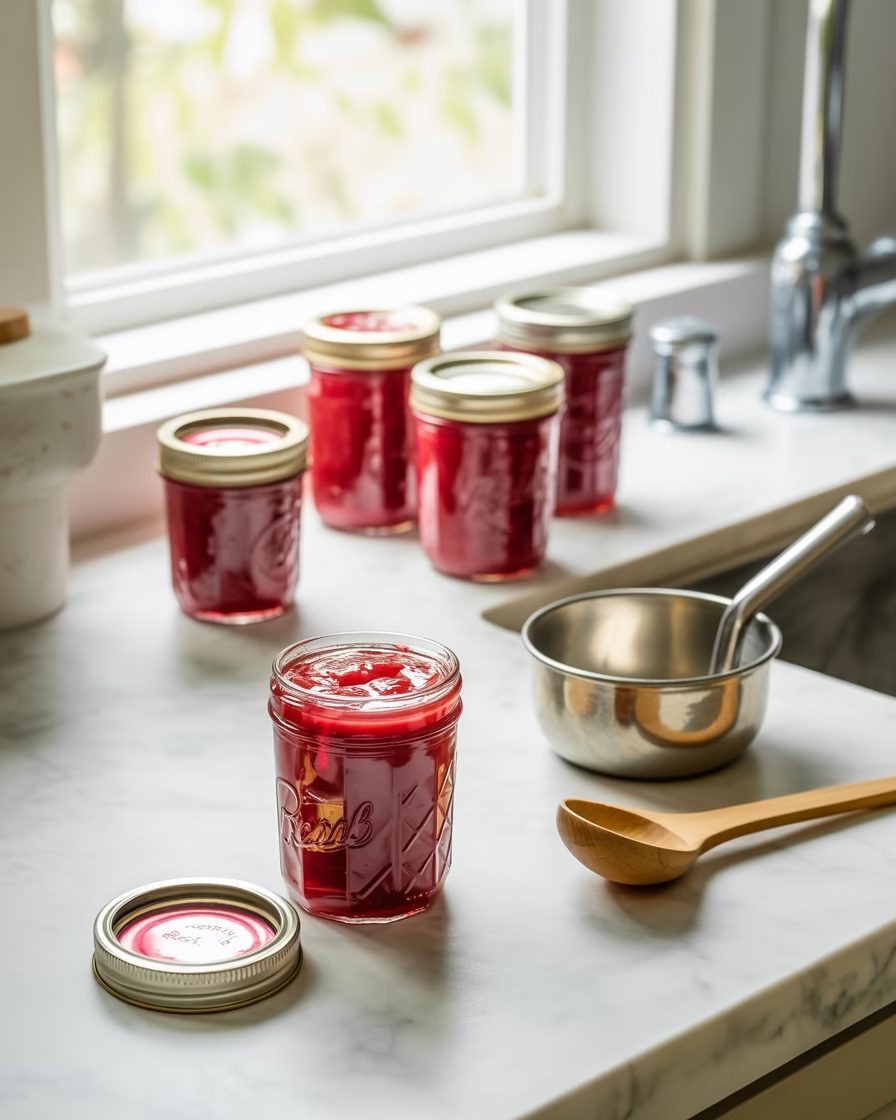
If you’re the kind of person who looks at a bunch of rhubarb like “What do I do with this sour stuff?”, let me tell you: homemade rhubarb jam is the answer. It’s tart, it’s sweet, it’s perfect on toast, in yogurt, or even dolloped on pancakes on a lazy Sunday.
I’ve made this jam more times than I can count—from my first slightly overcooked batch to my “keep‑this‑one‑in‑the‑pantry‑at‑all‑costs” version. Once you taste it, you’ll understand why I refuse to buy store‑bought jam ever again.
FYI: Rhubarb isn’t a fruit, it’s a veggie, but we treat it like a fruit because… hello, it’s delicious and we’re not arguing with nature. 🙂
Why Rhubarb Jam Is Worth the Effort
Let’s be honest:
You could buy a jar off the shelf, but can you trust what’s in it? Fillers, weird preservatives, and odd sugars we can’t even pronounce? Not my vibe.
Homemade rhubarb jam gives you:
- Total control over the sugar level—you decide how sweet you want it.
- No weird additives—just rhubarb, a little sugar, maybe citrus, and time.
- A strong “wow” factor when you hand it out as a gift.
Ever seen someone’s face when you say, “I made this”? Priceless.
And yes, it is a little work, but it’s the kind of work that fills your home with a species of delicious smell and occupies your hands so your brain can relax.
What You Need: Simple Ingredients, Big Flavor
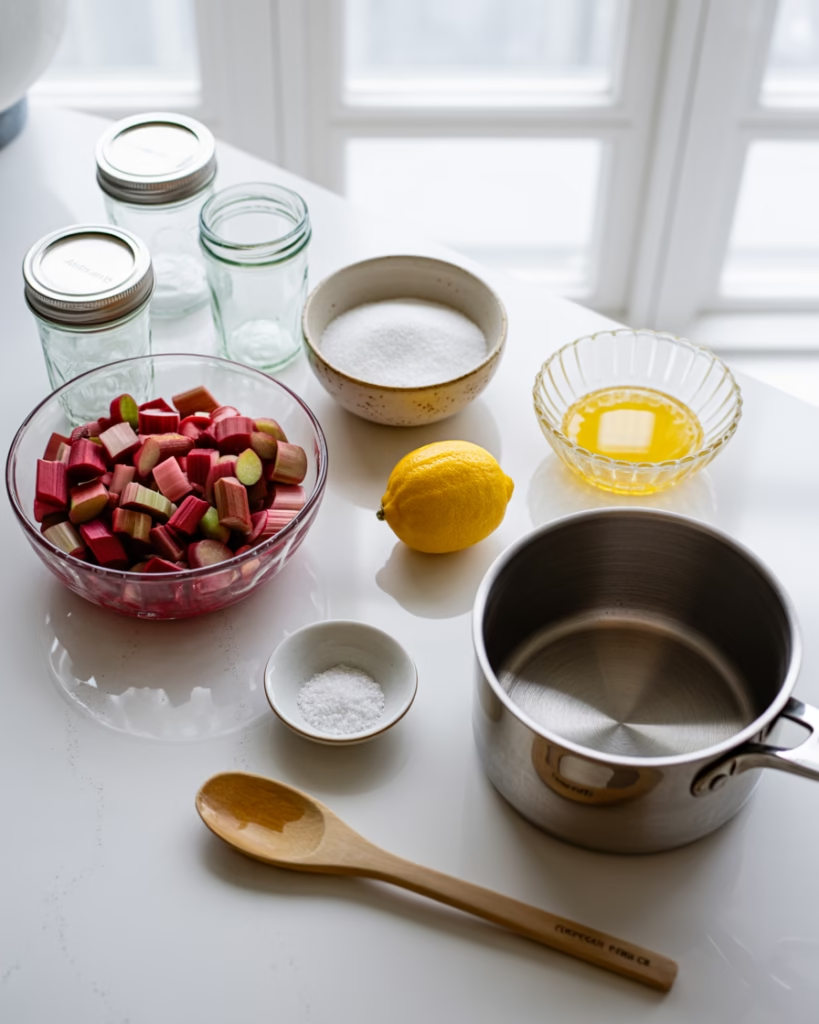
Here’s what you’ll need for a classic rhubarb jam recipe (about 3–4 jars, depending on size):
- Rhubarb stalks: About 1.5–2 pounds, trimmed and chopped.
- Granulated sugar: Around 1–1.5 cups, depending on how sweet you like your jam.
- Lemon juice: About 2 tablespoons—you can add more if you like it tangier.
- Optional extras:
- A pinch of salt (brings out the flavor).
- A splash of vanilla extract (not traditional, but nice).
- Cinnamon or a tiny bit of orange zest for a warmer flavor.
Equipment:
- A heavy‑bottomed pot (stainless steel or enameled cast iron works great).
- A wooden spoon or silicone spatula.
- A jar funnel and ladle (helps with clean filling).
- Sterilized jars with lids (Mason jars are perfect).
IMO, the best jars are ones you can see through—so you can admire the pretty pink color and feel superior to store‑bought jam.
Step‑By‑Step: Your Easy Rhubarb Jam Recipe
Let’s walk through this like we’re standing in your kitchen together.
1. Prep the Rhubarb
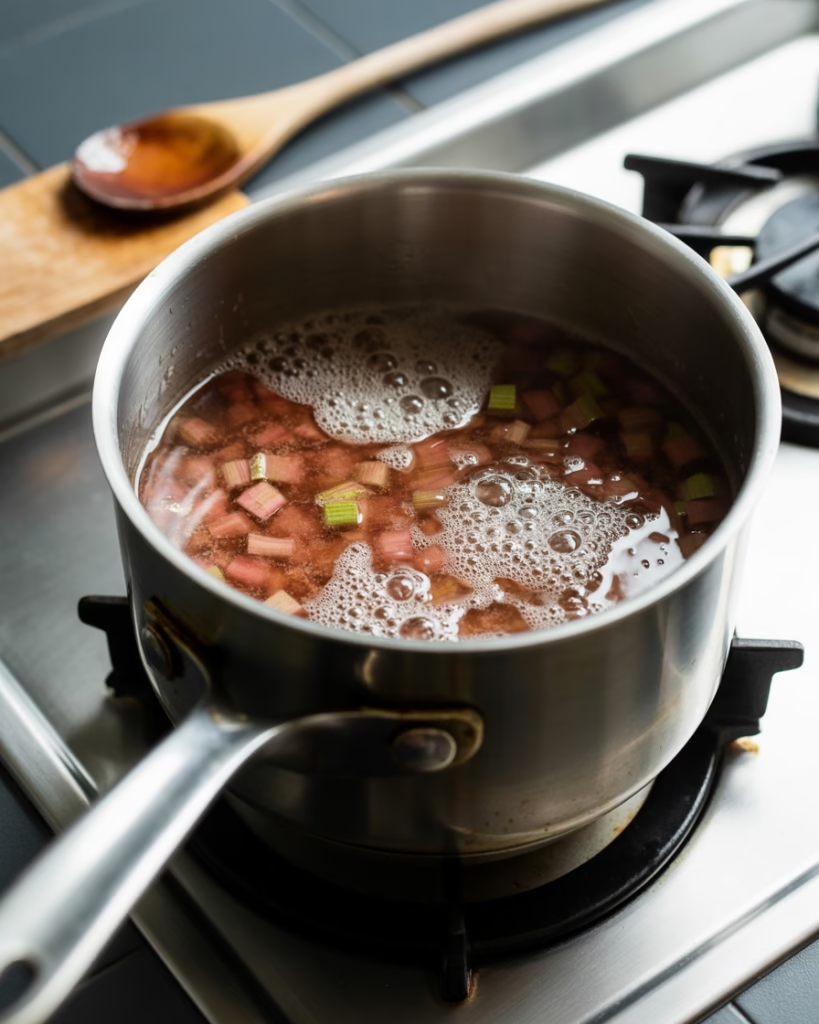
Trim the ends and leaves from the rhubarb (leaves are toxic, so toss them, not in the compost).
Chop it into small pieces—about 1–1.5 cm cubes. Why small? They cook down faster and give you a smoother jam.
If you like a bit of texture, leave a few slightly bigger chunks.
2. Combine Ingredients and Start Cooking
Add the chopped rhubarb, sugar, and lemon juice to your heavy pot. If you’re using any extras (salt, cinnamon, etc.), toss them in now.
Give it a stir, then let it sit for 10–15 minutes. This helps the rhubarb start to soften and release juice.
Turn the heat to medium and bring it to a gentle boil. Stir occasionally at first, then more often as it thickens.
Side note: Rhubarb jam is not a “set and forget” project. If you wander off and let it boil too hard without stirring, it can burn or overcook. Been there, almost ruined two jars. Lesson learned.
3. Watch for the Gel Stage
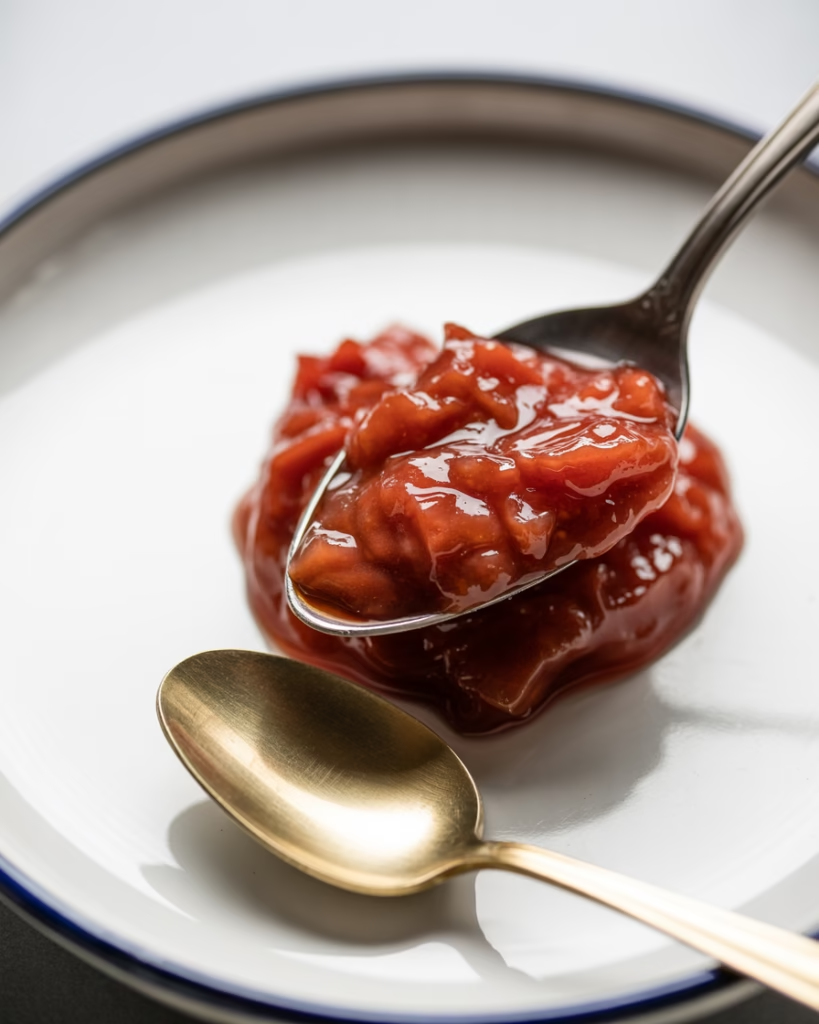
Jam is ready when it “gels.” Here’s how you can tell:
- Spoon test:
- Dip a cold spoon into the jam, then hold it up.
- If the jam drops off slowly in a sheet instead of a thin stream, it’s getting close.
- Plate test (the classic):
- Put a small plate in the freezer for a few minutes.
- Drop a teaspoon of hot jam on the cold plate.
- Let it sit for about 30 seconds, then nudge it with your finger.
- If it wrinkles a bit and isn’t runny, it’s done.
If it still looks too liquid, keep cooking a bit longer and test again.
Important:
Too long over high heat can make the jam too thick or even tough. Better to be a little under‑thick and let it firm up in the jars as it cools.
4. Jar It Up Properly
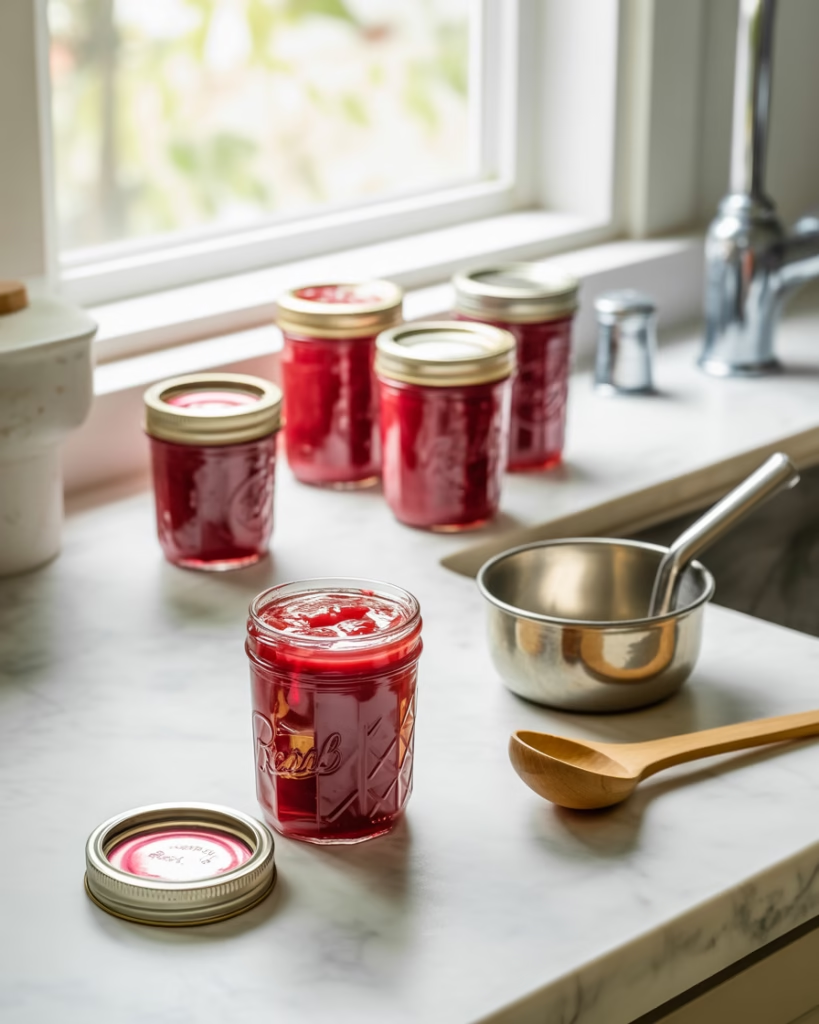
Once the jam reaches your preferred thickness, turn off the heat.
If you see a lot of foam on top, skim it off with a spoon. This keeps the jam looking clean and clear.
Sterilize your jars by running them through a hot dishwasher, boiling them for 10 minutes, or washing them in very hot, soapy water and drying them in a warm oven.
Use a jar funnel and ladle to fill the jars. Leave about 0.5–1 cm of headspace at the top.
Wipe the rims with a clean, damp cloth, place the lids on, and screw the bands fingertip‑tight.
At this point, you have two options:
- For shelf‑stable storage, process the filled jars in a water bath canner for about 10–15 minutes, depending on your jar size and altitude.
- For fridge‑only use, let them cool, then refrigerate; they’ll last 3–4 weeks.
If you’re not into canning just yet, starting with fridge storage is totally fine.
Flavor Twists: Make It Your Own
Once you’ve mastered the basic rhubarb jam recipe, you can go wild with little tweaks.
Popular variations:
- Strawberry rhubarb jam: Add about 1 cup of chopped strawberries along with the rhubarb. The sweetness of the berries balances the tartness of the rhubarb.
- Orange ginger rhubarb jam: Add a little orange zest and a teaspoon of grated ginger for a zingy kick.
- Vanilla rhubarb jam: Stir in 1/2 teaspoon of vanilla extract at the end of cooking for a warm, comforting note.
Want something more adventurous?
Try a pinch of cardamom or a splash of rosewater—it sounds fancy, but it’s just a little extra oomph that makes people ask, “Wait, what’s in this jam?”
Tips to Avoid Common Mistakes
Here are a few things I wish I’d known before my first batch:
- Don’t skip the lemon juice.
Acid helps the jam set and improves flavor. No lemon? You can use a little orange juice, but lemon is ideal. - Don’t rush the cooking.
Rhubarb jam thickens as it cools, so if it feels a bit loose when hot, it may be perfect when cold. - Don’t let the sugar scorch.
Always stir frequently, especially once the mixture thickens. A burnt bit of sugar can ruin an otherwise perfect batch. - Always label your jars.
Include the date and flavor. Trust me, in a year you’ll forget which jar is the “normal” rhubarb and which has the hidden orange‑ginger twist.
Ways to Use Rhubarb Jam (Go Beyond Toast)
Sure, slathered on toast or biscuits is classic—but don’t stop there.
Try it:
- Swirled into plain yogurt or Greek yogurt bowls.
- As a glaze for roasted chicken or salmon (yes, really: mix a spoon with a little mustard and olive oil).
- Folded into pancake or waffle batter for instant jam‑filled pockets.
- As a filling for thumbprint cookies or hand‑pies.
- Mixed into oatmeal or chia pudding for a fruity kick.
If you’re feeling fancy, pair it with cream cheese on crackers. It’s like a dessert and a snack combined.
Storing, Shelf Life, and Safety
Here’s the quick storage guide:
- Refrigerator:
- Fridge‑only jars last about 3–4 weeks.
- Keep them in clean, tightly sealed jars.
- Pantry (canned):
- Properly processed, water‑bath‑canned jars can last up to a year.
- Store them in a cool, dark place to maintain color and flavor.
- Freezer:
- You can freeze rhubarb jam too—just leave extra headspace in the jar for expansion.
- Use within 6–8 months for best quality.
Always check for signs of spoilage before using:
- Off smell
- Mould
- Bubbling or bulging lids on shelf‑stable jars
If something looks or smells off, it’s not worth the risk.
Why This Rhubarb Jam Recipe Is Worth Your Time
Let’s be real:
Homemade jam takes effort, but it’s the kind of effort that feels rewarding, not like a chore.
You get:
- A taste you can’t find in stores—fresh, bright, and real.
- A sense of accomplishment every time you open a jar.
- A perfect gift for hostesses, coworkers, neighbors, or anyone who enjoys a good “I made this for you” moment.
And honestly, once you’ve tasted good rhubarb jam, you’ll start watching for rhubarb at the farmers’ market like it’s a limited‑edition snack.
Final Thoughts: Go Make Some Jam
If you’ve ever looked at rhubarb and thought, “Yeah, but what do I do with this?”, I hope this rhubarb jam recipe gives you a clear, fun answer.
You don’t need fancy equipment or a culinary degree. You just need rhubarb, sugar, a little lemon, and some patience. The rest is just standing by the stove, stirring, and enjoying the smell while your house starts to smell like dessert–central.
So—what are you waiting for? Grab some rhubarb, roll up your sleeves, and give this recipe a go.
Once you taste the result, you’ll probably be planning your next batch before you finish the first jar.
Got a favorite way to enjoy rhubarb jam that I didn’t mention? Hit me with your ideas—maybe we can turn them into the next variation!