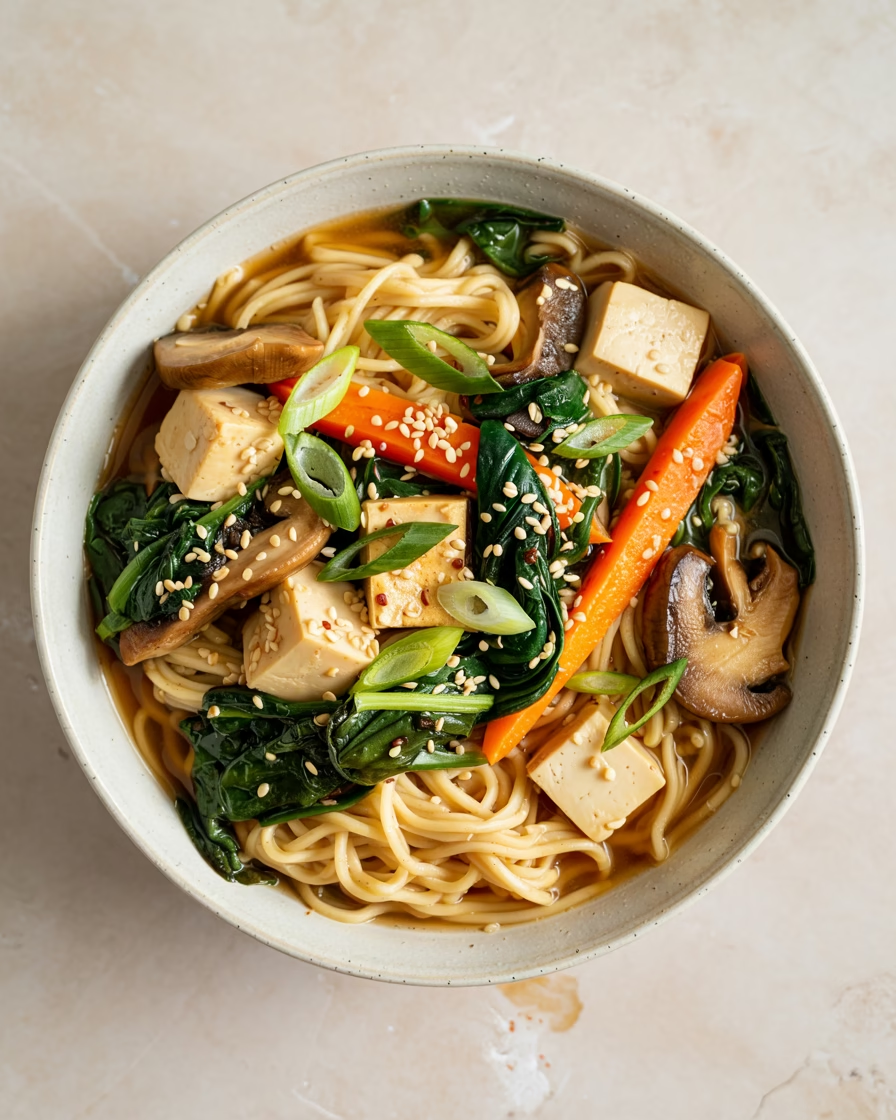
Craving something cozy but not heavy? Something that feels like a warm hug but won’t knock you into a food coma? Miso Tofu Noodle Soup is that bowl.
I make this whenever I want comfort food that still feels fresh and nourishing. It’s savory, slurpable, and packed with flavor without demanding hours in the kitchen. And honestly, once you nail this recipe, you’ll wonder why you ever paid $18 for a similar bowl at a trendy café.
Let’s make it together.
Why You’ll Love This Miso Tofu Noodle Soup
First of all, this soup tastes like it simmered all day. It didn’t. That’s the magic.
You get deep umami flavor from miso paste, satisfying protein from tofu, and silky noodles that soak up every drop of broth. What’s not to love?
Here’s why this recipe wins every time:
- Ready in about 30 minutes
- Naturally vegetarian (and easy to make vegan)
- Budget-friendly
- Customizable with whatever veggies you have
- Perfect for meal prep
Ever had one of those days where you want takeout but also want to save money? Yeah. This soup fixes that 🙂
What Is Miso, Anyway?
Let’s clear this up quickly.
Miso is a fermented soybean paste that delivers salty, savory, deeply umami flavor. It’s a staple in Japanese cooking and the backbone of traditional miso soup.
You’ll usually find:
- White miso (Shiro miso) – Mild, slightly sweet
- Yellow miso – Balanced and versatile
- Red miso – Stronger, saltier, more intense
For this miso tofu noodle soup recipe, I recommend white or yellow miso. They give you rich flavor without overpowering the tofu and vegetables.
IMO, red miso can dominate the bowl unless you use it carefully.
Ingredients You’ll Need
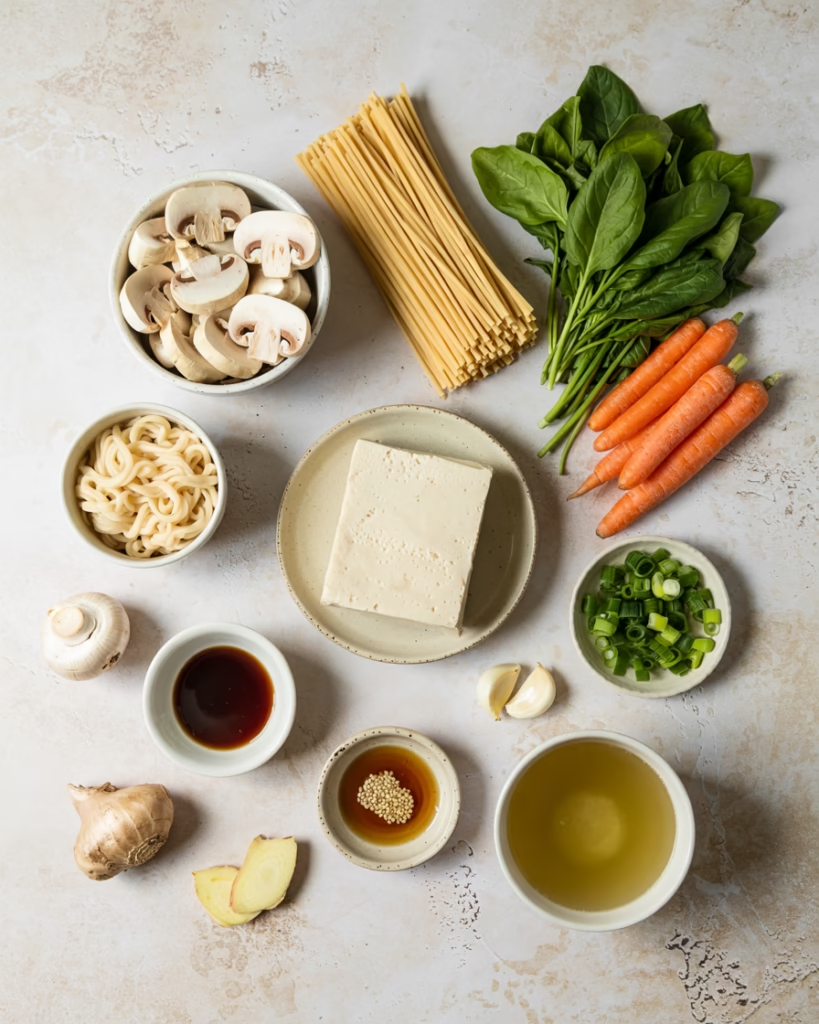
Let’s keep it simple. You don’t need a specialty grocery store haul.
For the Broth
- 6 cups vegetable broth
- 3 tablespoons white or yellow miso paste
- 1 tablespoon soy sauce
- 1 teaspoon sesame oil
- 2 cloves garlic, minced
- 1-inch piece fresh ginger, grated
For the Soup Base
- 7 oz rice noodles or ramen noodles
- 14 oz firm tofu, cubed
- 1 cup sliced mushrooms
- 1 cup baby spinach
- 1 carrot, julienned
- 2 green onions, sliced
Optional Toppings (Highly Recommended)
- Chili oil
- Sesame seeds
- Nori strips
- Soft-boiled egg
- Fresh cilantro
You can absolutely swap vegetables based on what you have. Ever thrown broccoli or bok choy in? It works beautifully.
How to Make Miso Tofu Noodle Soup
Let’s break it down step by step so nothing gets weird.
Step 1: Build Flavor First
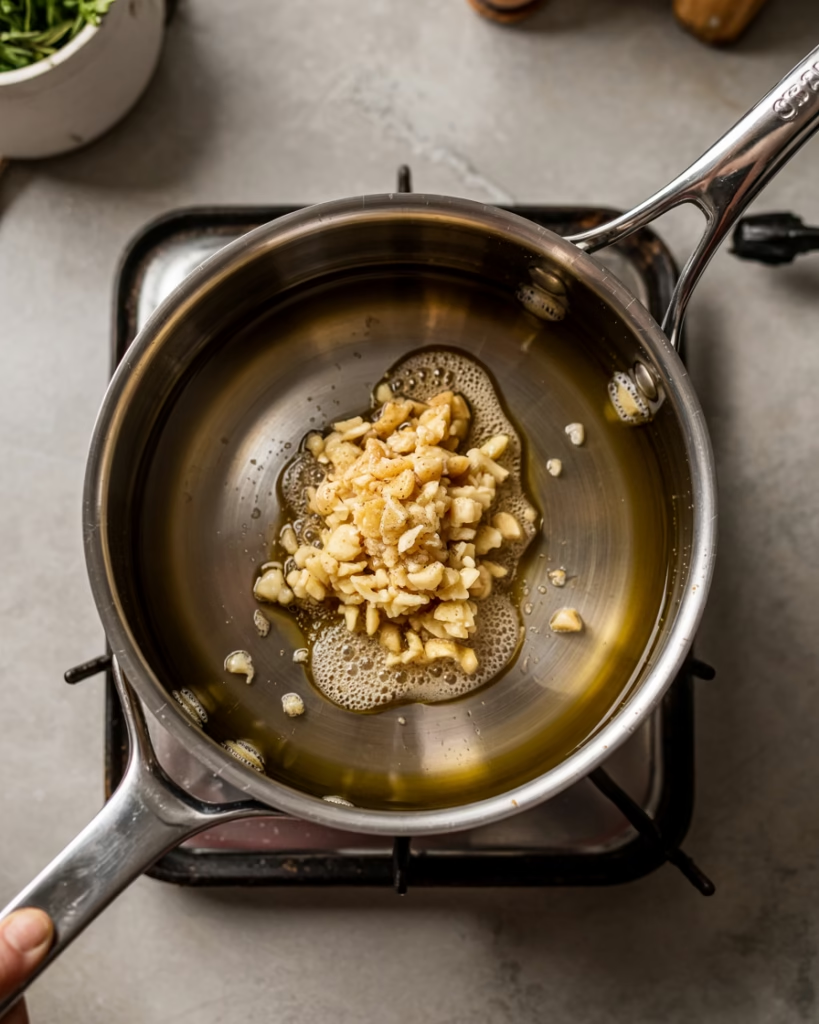
Heat a large pot over medium heat. Add sesame oil, then sauté garlic and ginger for about 30 seconds.
You want fragrance, not burnt garlic. Burnt garlic ruins everything. Trust me.
Step 2: Create the Broth
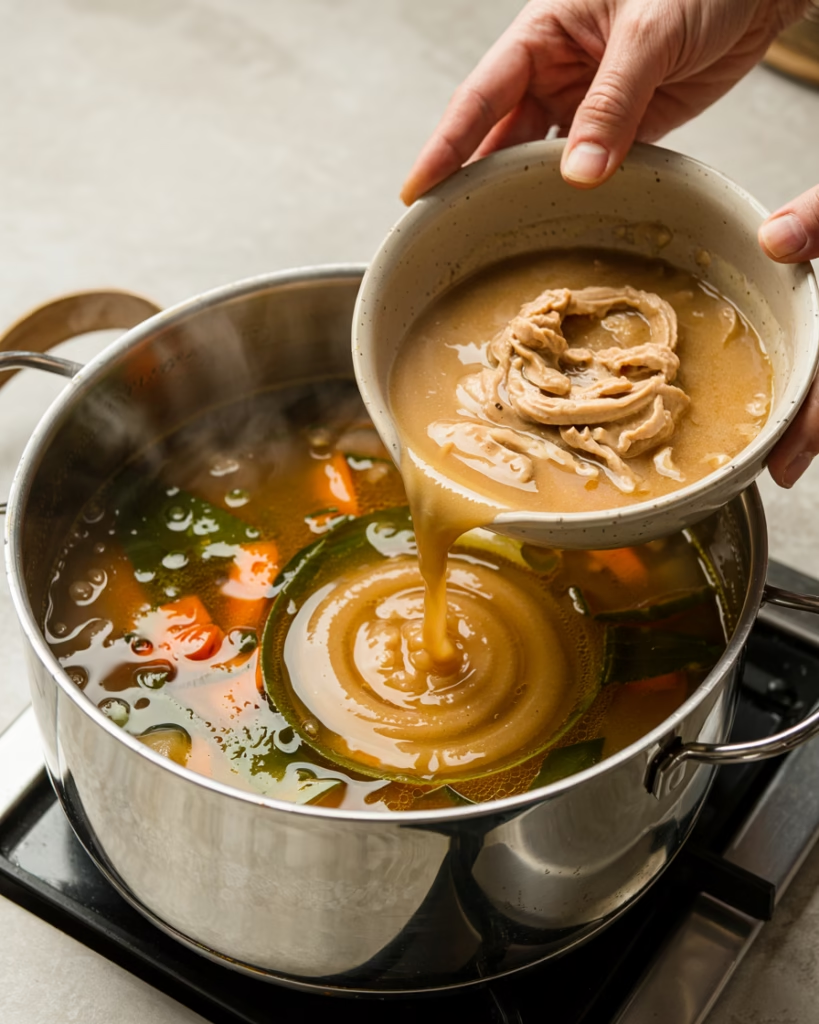
Pour in vegetable broth and bring it to a gentle simmer.
In a small bowl, whisk miso paste with a ladle of warm broth until smooth. Then stir it back into the pot.
Never boil miso directly. High heat kills its subtle flavor. Keep it gentle.
Step 3: Cook the Noodles
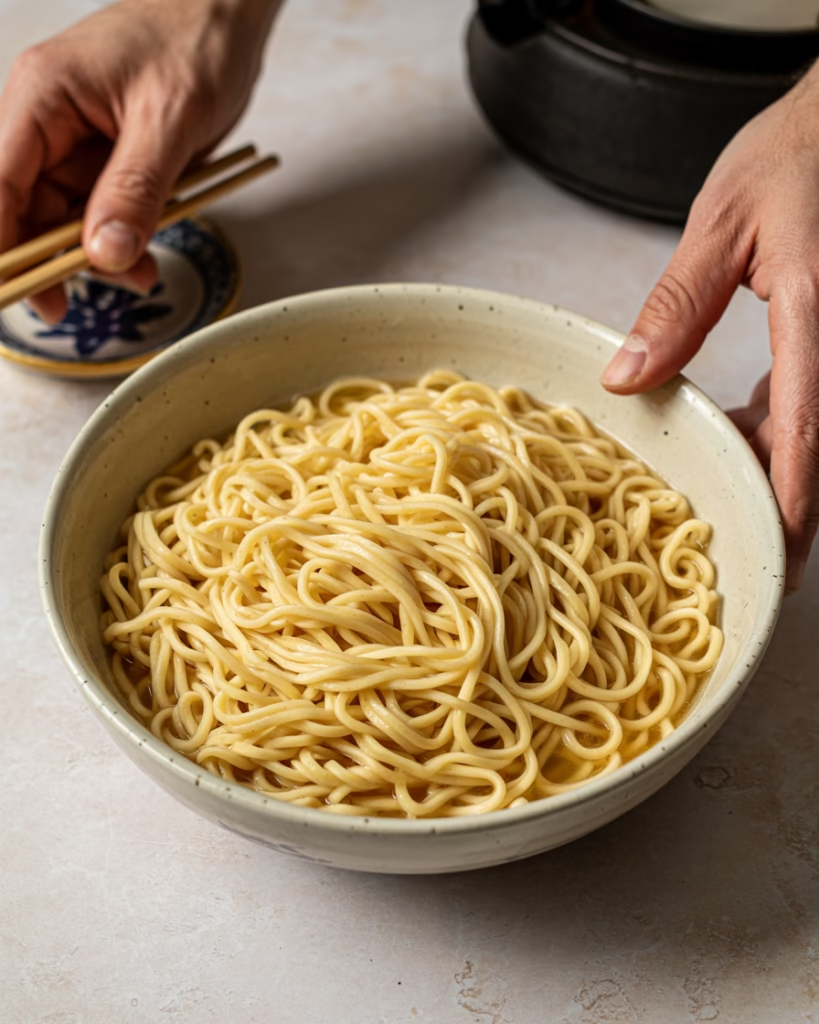
You can cook noodles directly in the broth or separately.
I prefer cooking them separately. Why? Because they absorb broth and turn mushy if they sit too long.
Drain and set aside.
Step 4: Add Tofu and Vegetables
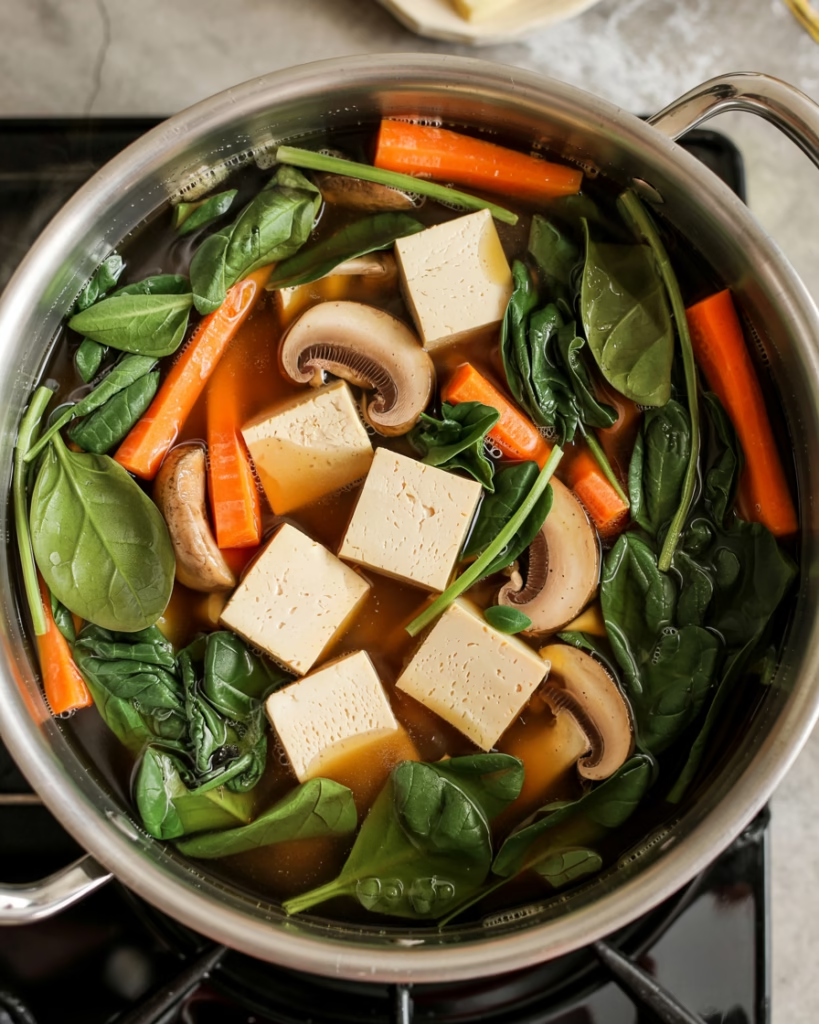
Add cubed tofu, mushrooms, and carrots to the simmering broth. Let them cook for 5–7 minutes.
Add spinach during the last minute so it wilts but stays vibrant.
Step 5: Assemble the Bowl
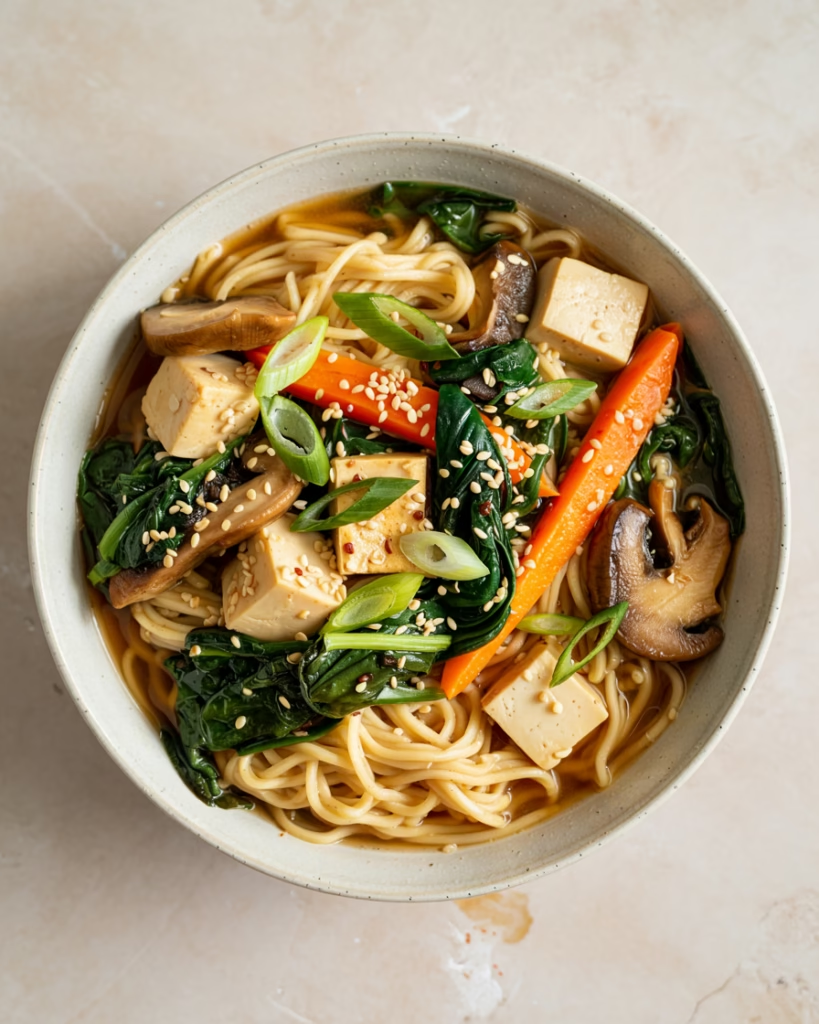
Place noodles in a bowl. Ladle the hot miso tofu broth and veggies over the top.
Finish with green onions and your favorite toppings.
Now take a second. Look at that bowl. Feels restaurant-level, right?
Choosing the Best Tofu
Tofu makes or breaks this recipe.
You want firm or extra-firm tofu so it holds its shape in the broth. Silken tofu turns into a soft cloud, which works in traditional miso soup but not here.
Here’s how I prep it:
- Press tofu for 10–15 minutes
- Pat dry thoroughly
- Cut into bite-sized cubes
Want extra texture? Pan-fry the tofu first until golden. That crispy edge in a savory broth hits differently.
Ever tried baking it instead? Also solid.
Noodle Options (Because You Have Choices)
Not all noodles act the same in soup.
Here are great options:
- Rice noodles – Light and gluten-free
- Ramen noodles – Classic and comforting
- Udon noodles – Thick and chewy
- Soba noodles – Nutty and earthy
Each one changes the experience slightly. I love ramen for that classic slurp factor, but rice noodles feel lighter.
What mood are you in today?
How to Add More Flavor
The base recipe tastes fantastic, but you can level it up easily.
Try adding:
- A spoonful of chili garlic sauce
- A splash of rice vinegar
- A drizzle of chili oil
- A squeeze of lime
- A dash of mirin
You can also stir in a teaspoon of peanut butter for subtle richness. Sounds odd? It works.
Flavor layering transforms this from good to unforgettable.
Making It Spicy (Because Why Not?)
Some days call for heat.
You can:
- Add sliced fresh chilies
- Stir in chili paste
- Finish with chili crisp
I usually keep mine medium-spicy. Enough heat to wake up your taste buds but not enough to regret your life choices.
Ever underestimated chili oil? Yeah… proceed carefully :/
Meal Prep and Storage Tips
This miso tofu noodle soup works great for meal prep if you handle it right.
Store broth and noodles separately. Always.
Here’s how:
- Keep broth in an airtight container for up to 4 days.
- Store cooked noodles separately.
- Reheat broth gently. Do not boil aggressively.
You can freeze the broth, but avoid freezing noodles. They don’t recover well.
Common Mistakes to Avoid
Let’s save you from disappointment.
1. Boiling the Miso
High heat ruins flavor. Keep it at a gentle simmer.
2. Using Silken Tofu (Unless You Want It Soft)
Firm tofu holds structure better.
3. Overcooking the Noodles
Mushy noodles destroy the texture.
4. Skipping Acid
A small splash of vinegar or lime brightens everything. Don’t skip it.
Ever tasted soup that felt flat? Acid fixes that instantly.
Is Miso Tofu Noodle Soup Healthy?
Short answer: yes.
This bowl packs:
- Plant-based protein from tofu
- Probiotics from miso
- Fiber from vegetables
- Low saturated fat
It feels indulgent but supports balanced eating.
Of course, sodium can add up because miso and soy sauce both contain salt. Adjust quantities if needed.
Can You Add Chicken?
Sure. You absolutely can.
If you want a hybrid vibe, you can add shredded chicken for extra protein. It won’t stay strictly vegetarian, but it works.
Speaking of chicken recipes, if you love easy, high-flavor dinners, you should try a Sheet Pan Chicken Fajitas Recipe on busy weeknights. That recipe gives you bold flavor with minimal cleanup, much like this soup gives you maximum comfort with minimal effort.
Different flavor profile, same “why didn’t I make this sooner?” energy.
Comparing Miso Soup vs. Miso Noodle Soup
People mix these up.
Traditional miso soup:
- Light broth
- Small tofu cubes
- Minimal ingredients
- Served as a side
Miso tofu noodle soup:
- Hearty
- Includes noodles
- Packed with vegetables
- Served as a full meal
This version feels like dinner. Not an afterthought.
How to Customize It
This recipe adapts easily.
Want more greens? Add bok choy or kale.
Want crunch? Toss in bean sprouts at the end.
Want richness? Stir in coconut milk for a creamy miso twist.
You control the bowl. That’s the fun part.
Serving Ideas
Make it a full experience.
Serve with:
- Steamed dumplings
- A simple cucumber salad
- Edamame with sea salt
Or just grab a spoon and eat straight from the pot. No judgment here.
Final Thoughts
This Miso Tofu Noodle Soup Recipe delivers comfort, flavor, and flexibility in one bowl.
You build layers of umami, add satisfying noodles, and customize it to match your mood. You control the heat, the veggies, and the texture. That’s real kitchen power.
Next time you crave something cozy but still light, skip the takeout app. Grab miso paste instead.