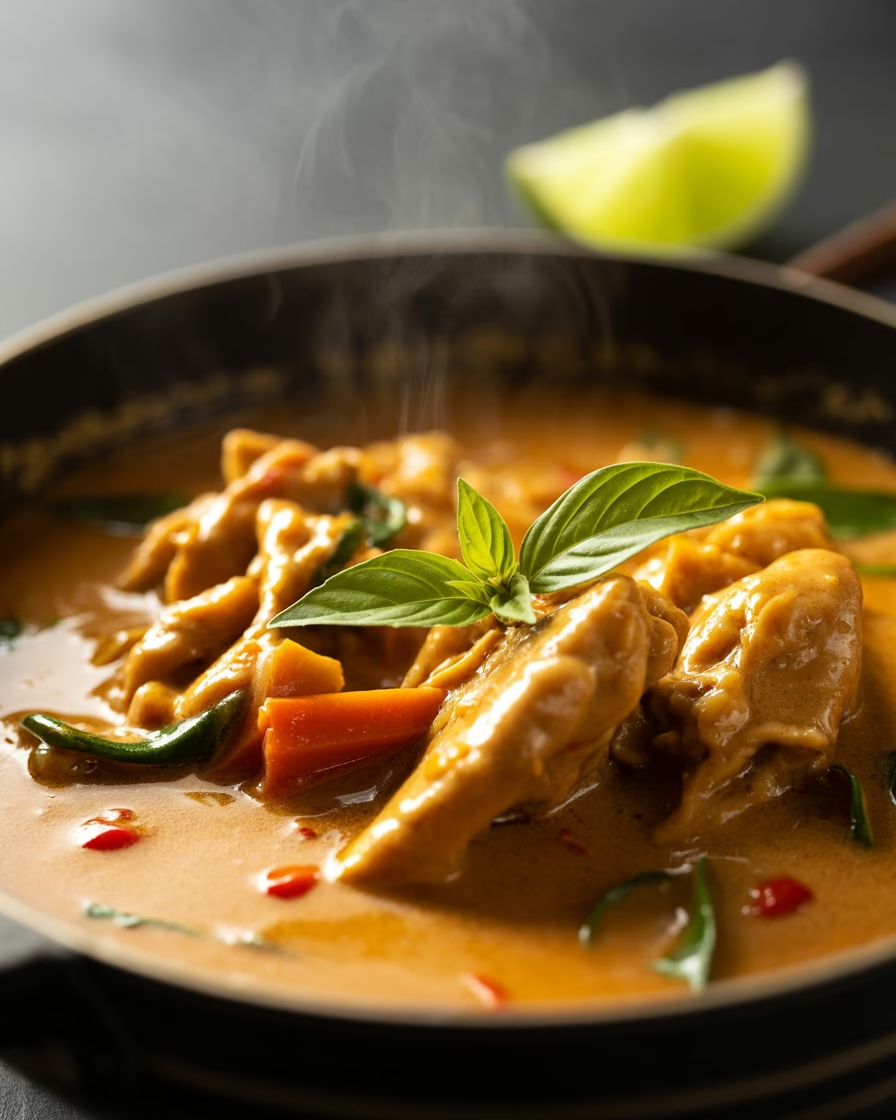
Ever crave a cozy bowl that hits creamy, spicy, sweet, and savory all at once? That’s Thai red curry, and yes, you can cook it at home without turning your kitchen into a test lab. I make this on weeknights when I want big flavor fast, and honestly it beats most takeout when you nail a few small details. Ready to make a pot that tastes like you meant it?
Why this curry wins
Thai red curry delivers silky coconut richness, bright aromatics, and a balanced punch of heat in under 30 minutes if you keep it simple. You can use store-bought paste and still get restaurant-level results with a couple pro moves, like blooming the paste in oil and balancing with palm sugar and fish sauce. That’s the magic combo.
What is Thai red curry?
Thai red curry is a coconut milk–based curry built around red curry paste (red chilies, lemongrass, garlic, galangal, makrut lime, coriander, cumin), plus protein and veggies, finished with fish sauce, a touch of sugar, and Thai basil. The sauce should taste spicy, salty, slightly sweet, and aromatic—not one-note. You’ll serve it with jasmine rice so the flavors pop even more.
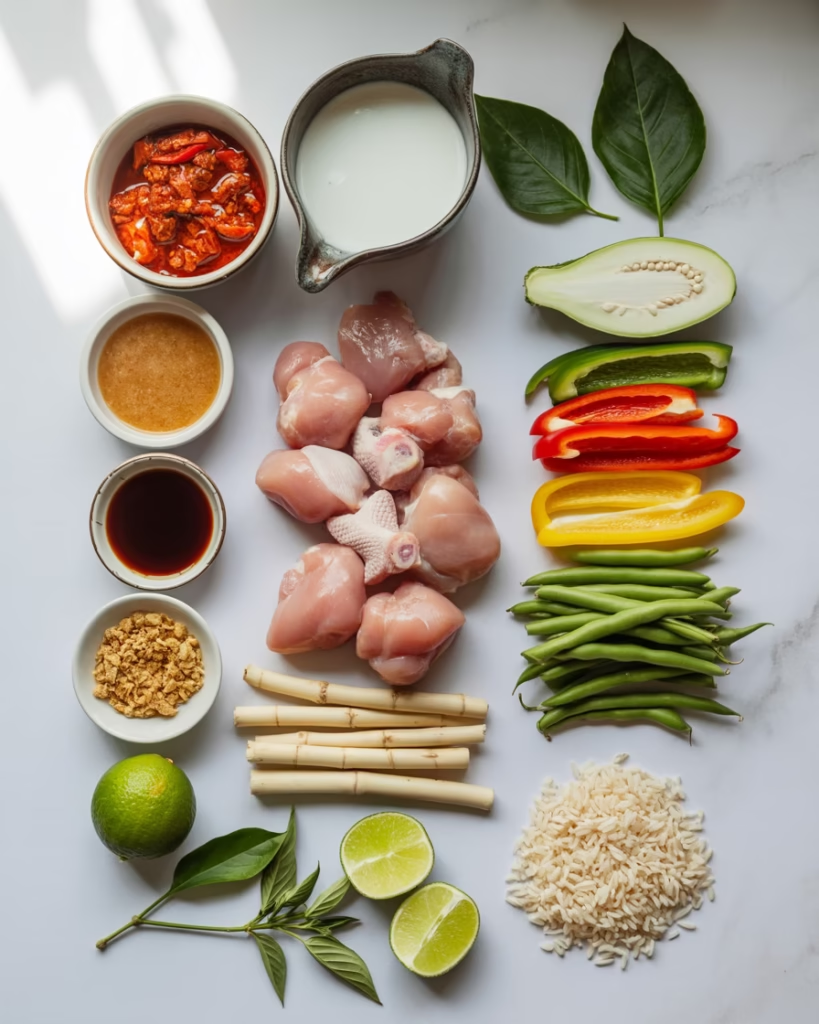
Ingredients that matter
You can swap veggies all day, but some essentials keep the curry grounded and balanced.
Core ingredients
- Red curry paste: Use a good brand or make your own if you want to flex; blooming paste in oil awakens aroma and depth.
- Coconut milk: Choose full-fat for body; it carries spice and gives that rich, restaurant texture.
- Fish sauce: Adds salty umami and that unmistakable Thai backbone; taste before adding more.
- Palm sugar (or brown sugar): Balances heat and salt, and rounds coconut’s floral notes.
- Thai basil: Adds peppery-anise freshness at the end; don’t cook it long.
- Makrut lime leaves (optional but amazing): Bruise and tear for a citrusy perfume.
Protein options
- Chicken thigh or breast: Cooks fast; avoid overcooking breast to keep it juicy.
- White fish (cod, snapper): Simmer gently 7–10 minutes in the sauce; keep the sauce punchy for rice.
- Tofu: Add near the end and season the sauce well so it doesn’t taste flat.
Veggie add-ins
Green beans, bamboo shoots, bell peppers, mushrooms, squash, broccoli, or spinach all work; adjust simmer time for denser veg like squash.
Store‑bought paste vs homemade
Want the truth? You can crush a weeknight curry with jarred paste if you bloom it in oil and balance it well. Homemade paste gives you brighter aromatics and control over heat, but it takes extra time and ingredients like lemongrass, galangal, and dried chilies. Choose your own adventure.
Homemade paste basics (quick look)
A classic red paste includes dried red chilies, lemongrass, garlic, shallots, galangal, coriander, cumin, and makrut lime zest/leaves, pounded or blended to a smooth paste. You can use a food processor for speed, but pounding gives a silkier texture and deeper flavor extraction.
The golden method (why it works)
Ever wonder why some curries taste flat while others sing? It’s the sequence: bloom, simmer, balance, finish. Each step unlocks a specific flavor layer.
Step-by-step overview
- Bloom the curry paste in oil to awaken aromatics and color.
- Add coconut milk and stock/water, then palm sugar and fish sauce; simmer to meld.
- Add protein and quick-cooking veg; don’t overcook.
- Finish with Thai basil and adjust seasoning at the end.
My go‑to Thai red curry recipe
This version keeps the process tight and the flavor big. You can swap in your favorite protein or veg, but keep the structure. FYI: start your jasmine rice before you cook; the curry moves fast.
Ingredients
- 2 tbsp neutral oil or coconut oil
- 2–3 tbsp red curry paste (adjust for heat and brand strength)
- 1 can full‑fat coconut milk (13.5–14 oz)
- 1/2–3/4 cup chicken stock or water (adjust for thickness)
- 1–1.5 tbsp fish sauce, to taste
- 1–2 tsp palm sugar or brown sugar, to taste
- 1 lb chicken thigh/breast cut into bite-size pieces (or firm tofu/fish)
- 1 cup sliced bell peppers, 1 cup green beans, 1/2 cup bamboo shoots (optional)
- 3–4 makrut lime leaves, bruised and torn (optional but excellent)
- 1 handful Thai basil leaves
- Lime wedges, for serving
Directions
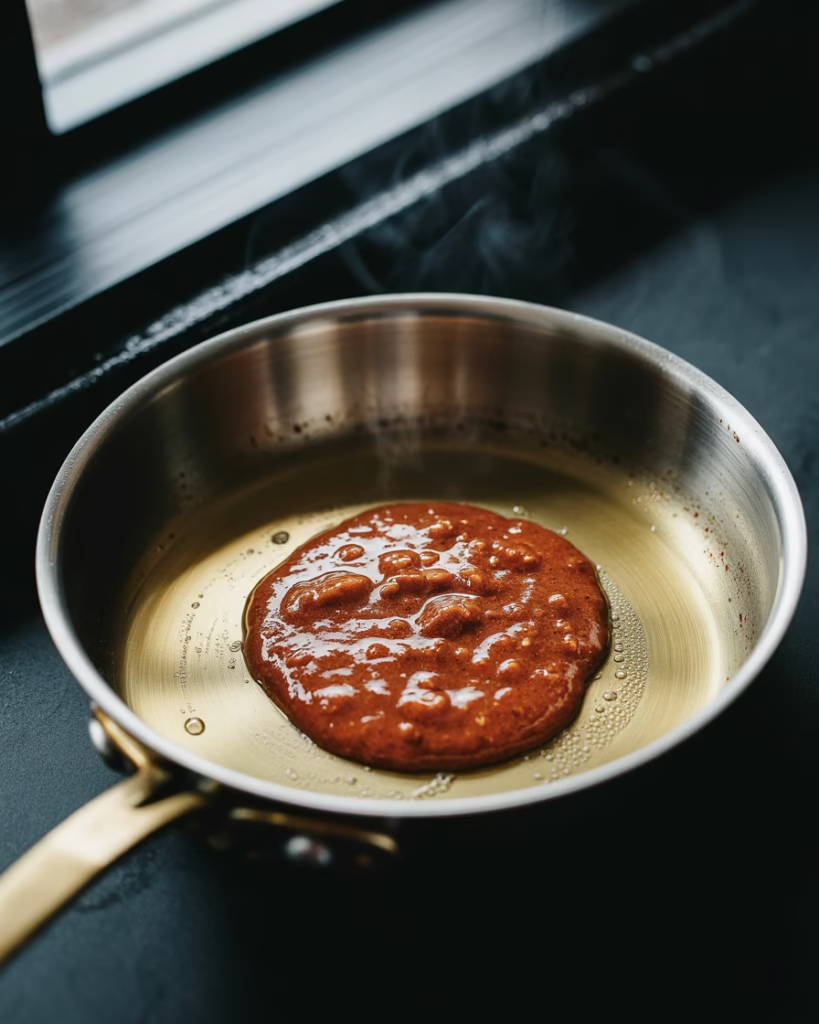
Bloom the paste
Heat oil over medium-low in a pot. Add red curry paste and sauté 2 minutes until fragrant and stained red; splash in water if it sticks. This step unlocks the paste’s oils and aroma.
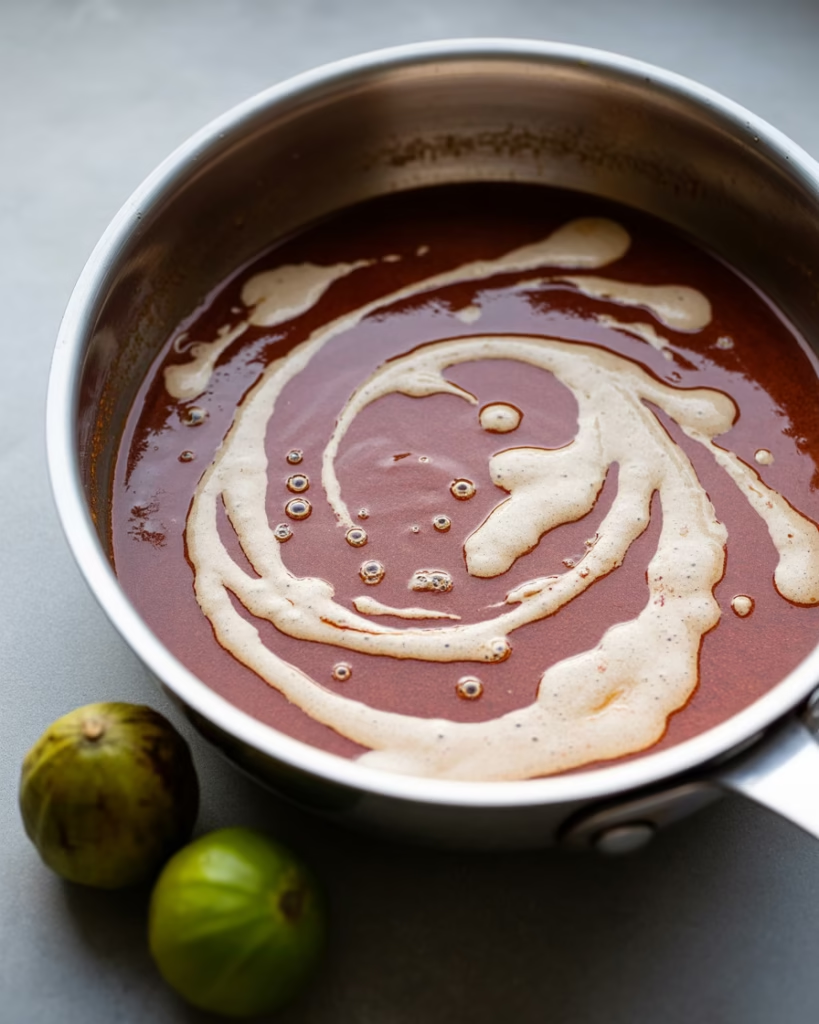
Build the sauce
Increase heat to medium-high. Add coconut milk, stock/water, palm sugar, and half the fish sauce. Add torn makrut lime leaves if using. Simmer 5 minutes—gentle simmer, not a rolling boil—to keep the coconut smooth.
Add veg and protein
Stir in bell peppers, green beans, and bamboo shoots. Add chicken and simmer just until cooked through, about 2–4 minutes depending on size; avoid overcooking, especially breast. For fish, nestle pieces into the sauce and simmer 7–10 minutes, flipping once, until opaque. For tofu, add near the end to warm through.
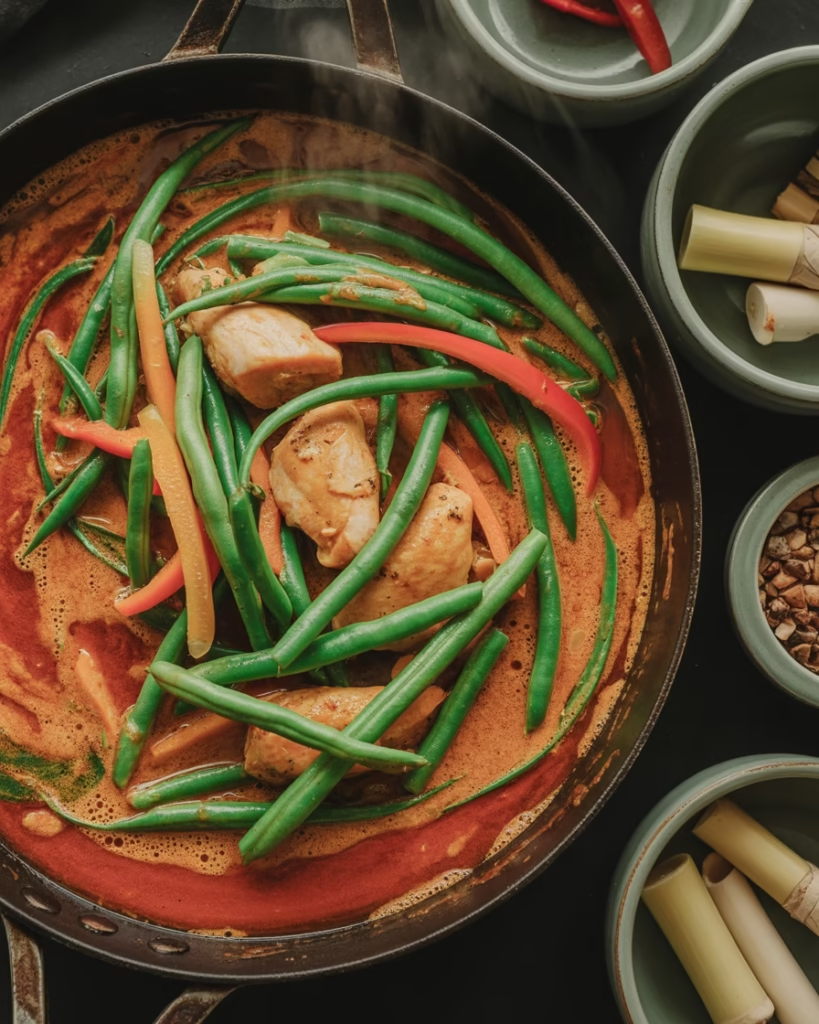
Finish and balance
Turn off heat. Stir in Thai basil. Taste and adjust: add fish sauce for salt/umami, palm sugar for balance, or a splash of coconut milk/water if it runs too salty. You want spicy-salty-slightly sweet.
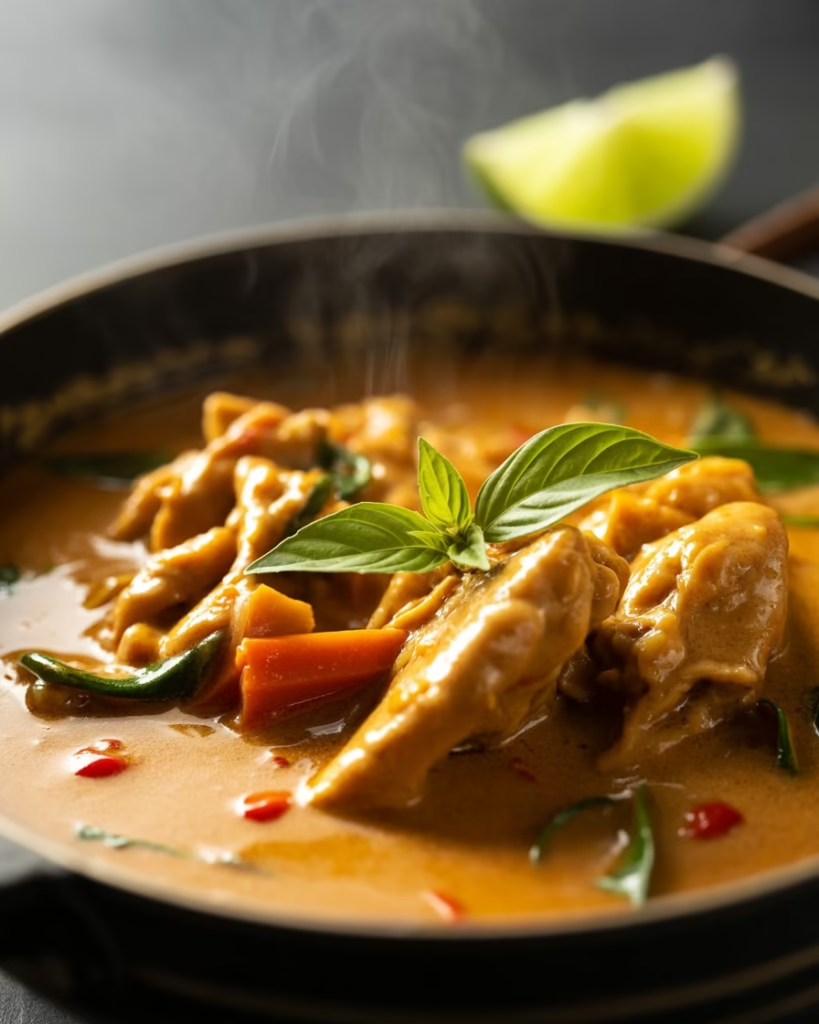
Serve
Spoon over jasmine rice and hit it with lime juice for brightness. The lime lifts the coconut and makes everything pop.
Pro tips for maximum flavor
Want that “wow, who cooked this?” moment? Small moves, big payoff.
- Bloom the paste properly: Two minutes in oil transforms jarred paste into something that tastes intentional.
- Use full‑fat coconut milk: Light coconut milk thins the sauce and mutes aromatics. Commit to full-fat for body.
- Balance at the end: Add sugar and fish sauce gradually and taste with rice in mind; the sauce should feel a bit punchy in the pot.
- Don’t overcook proteins: Chicken finishes fast; turn off heat as soon as it’s done so it stays tender.
- Basil goes last: Stir it in off heat so it stays fragrant, not bruised and bitter.
Easy variations you’ll love
You can run this curry as a template and never get bored. Ever tried these spins?
- Red curry with fish: Sauce first, fish second; simmer gently so the flakes stay intact. Keep seasoning bold for rice.
- Veg-forward red curry: Swap green beans for snap peas, add mushrooms, or toss in spinach at the end; extend simmer for squash.
- Ultra-quick chicken curry: Marinate chicken with a touch of fish sauce first, then finish curry in minutes.
Troubleshooting like a pro
Sauce too thin? Too salty? Not bright enough? You fix it fast when you know why.
- Too thin: Simmer uncovered a few more minutes or add less stock next time.
- Too salty: Add more coconut milk or a splash of water; balance with a pinch of sugar and a squeeze of lime.
- Too spicy: Add more coconut milk and a pinch of sugar; serve with extra rice.
- Flat flavor: You likely skipped sugar or basil; add both and taste again.
Homemade paste: when to bother
If you love projects and want full control over heat and perfume, make paste on a weekend and freeze it in cubes. Dried red chilies, lemongrass, galangal, garlic, shallots, coriander, cumin, and makrut lime create a vivid paste with a fresher nose than most jars. It’s not hard—just a bit of sourcing and blending.
Quick homemade paste snapshot
- Dried chilies soaked and deseeded for adjustable heat.
- Lemongrass, galangal, garlic, shallots for the aromatic backbone.
- Coriander and cumin for warm spice depth.
- Makrut lime zest/leaves for citrus lift.
Common mistakes to avoid
You can skip the heartbreak with a few guardrails. Because no one wants split coconut or rubbery chicken, right? 🙂
- Boiling too hard: High heat can split the coconut; keep it at a simmer.
- Skipping the bloom: Unbloomed paste tastes raw and muddy.
- Heavy salt too early: Brands vary; season at the end to avoid oversalting.
- Cooking basil: Stir it in off heat to keep it bright and peppery.
Serving and leftovers
Serve with jasmine rice and extra lime wedges. Leftovers taste even better the next day after the flavors settle; reheat gently and refresh with a little lime and basil. Keep it in an airtight container for up to 3 days for easy lunches.
Quick FAQ
- Can I make it vegan? Yes—use tofu and replace fish sauce with tamari or a vegan fish sauce; balance with lime and sugar.
- What’s the best paste brand? Choose one you like and learn how salty/spicy it runs; the bloom-and-balance method evens things out.
- Do I need bamboo shoots? No, but they add crunch and play well with coconut and basil.
Final thoughts
You want a Thai red curry recipe that feels doable on a Wednesday and special on a Saturday? This delivers every time with the bloom-simmer-balance-finish flow and a few key ingredients like full-fat coconut milk, fish sauce, palm sugar, and Thai basil. Once you try the method, you’ll tweak it to your taste and never look back—FYI, that’s when cooking gets seriously fun.

Easy Thai Red Curry (Restaurant-Style)
Course: All Recipes, DinnerCuisine: ThaiDifficulty: Easy4
servings15
minutes20
minutes430
kcal35
minutesA weeknight-friendly Thai red curry with full‑fat coconut milk, red curry paste, tender chicken, and bright Thai basil—balanced spicy, salty, and slightly sweet, just like your favorite takeout but fresher.
Ingredients
1 can full‑fat coconut milk (13.5–14 oz)
1/2–3/4 cup low‑sodium chicken stock or water (adjust for thickness)
1–2 tsp palm sugar or light brown sugar, to taste
1 lb boneless, skinless chicken thighs or breasts, bite‑size pieces (see Notes for tofu/fish)
1/2 cup bamboo shoots, drained (optional)
3–4 makrut lime leaves, bruised and torn (optional but excellent)
Lime wedges, for serving
Directions
- Start the rice
Rinse jasmine rice and start cooking so it’s ready when the curry finishes. The curry moves fast.Bloom the paste - Bloom the paste
Heat oil over medium‑low in a sauté pan or pot. Add red curry paste and cook 1.5–2 minutes, stirring, until glossy, aromatic, and the oil turns deep red; splash a tablespoon of water if it sticks. This “bloom” unlocks the paste’s aromatics. - Build the sauce
Turn heat to medium‑high. Stir in coconut milk, 1/2 cup stock/water, palm sugar, and half the fish sauce. Add torn makrut lime leaves if using. Bring to a gentle simmer (not a rolling boil) for 4–5 minutes so the flavors meld without splitting the coconut. - Add protein and veggies
Stir in bell peppers, green beans, and bamboo shoots. Add chicken and simmer 2–4 minutes until just cooked through; cut a piece to check doneness. Keep the simmer gentle to preserve a silky sauce. For breast, stay closer to 2–3 minutes to avoid dryness. - Finish and balance
Turn off the heat. Stir in Thai basil. Taste and adjust: more fish sauce for salt/umami, a pinch of sugar to round sharp edges, or a splash of stock/coconut milk if too salty. The sauce should taste slightly bold knowing it’ll be eaten with rice. Squeeze lime at the table. - Serve
Ladle over hot jasmine rice. Garnish with extra basil and lime wedges. Serve immediately.
Notes
- Nutrition (approx. per serving, 4 servings, rice not included)
Calories: ~430 kcal
Protein: ~25 g (with chicken thighs)
Fat: ~30 g (from coconut milk and oil)
Carbs: ~14 g (mainly from vegetables and coconut)
Values vary by brand and ingredient amounts; adjust for different proteins or coconut milk types. - Notes & Variations
Fish option: Use firm white fish (cod, snapper). Nestle pieces into the simmering sauce in Step 4 and cook 7–10 minutes until opaque and flaky; season a touch bolder since fish is delicate.
Tofu option (vegan friendly if using vegan fish sauce or soy): Use firm tofu, pat dry, pan‑sear for texture if you like, then add in Step 5 to warm through; season the sauce well so it doesn’t taste flat.
Veg swaps: Try mushrooms, snap peas, baby corn, or kabocha squash; extend simmer time for dense veg like squash.
Thickness: Adjust with stock/water for looser sauce or simmer 2–3 minutes uncovered to reduce. Keep heat gentle to avoid splitting. - Ingredient Notes
Red curry paste: Bloom it in oil for a deeper, restaurant‑style flavor; add more or less based on heat preference and brand saltiness.
Coconut milk: Use full‑fat for proper body and gloss; light versions thin the sauce and mute the aromatics.
Fish sauce + sugar: These two dial in the salty‑sweet balance; always taste and adjust at the end.
Thai basil: Stir in off heat to keep it fragrant and peppery, not bruised.